

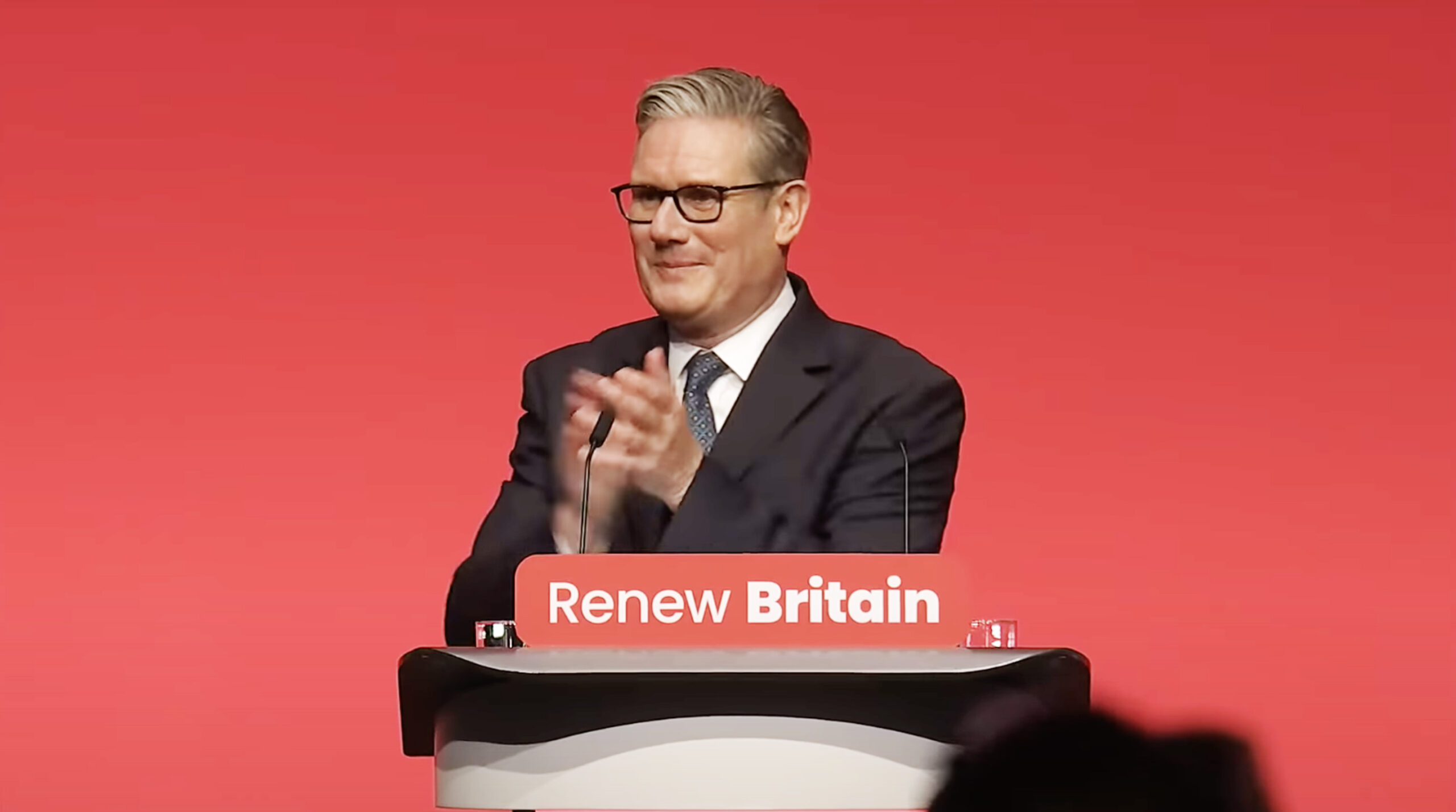
Prime Minister Sir Keir Starmer’s keynote address at the 2025 Labour Party Conference delivered a message of unity, national pride, and transformative renewal
Prime Minister Sir Keir Starmer’s keynote address at the 2025 Labour Party Conference in Liverpool marked a pivotal moment in his leadership, delivering a message of unity, national pride, and transformative renewal. His speech resonated deeply with the audience, setting the stage for a decisive choice in the upcoming general election.
Prime Minister Starmer framed the upcoming general election as a pivotal moment in British history, presenting voters with a stark choice between Labour’s vision of “decency and renewal” and the divisive rhetoric of Reform UK. He condemned Nigel Farage’s approach as a “snake-oil merchant” promoting division and undermining national unity. Emphasising the need for a patriotic and inclusive vision, Starmer called for a collective effort to rebuild and renew Britain.
In a significant policy shift, Prime Minister Starmer announced the end of the Blair-era target of sending 50% of young people to university. Instead, he proposed that two-thirds of young people should achieve higher-level skills by age 25, including through apprenticeships. This strategy aims to align education with labor market demands and reduce youth unemployment. The government plans to invest nearly £800 million in further education and apprenticeships for 16 to 19-year-olds by 2026-27, benefiting an additional 20,000 students.
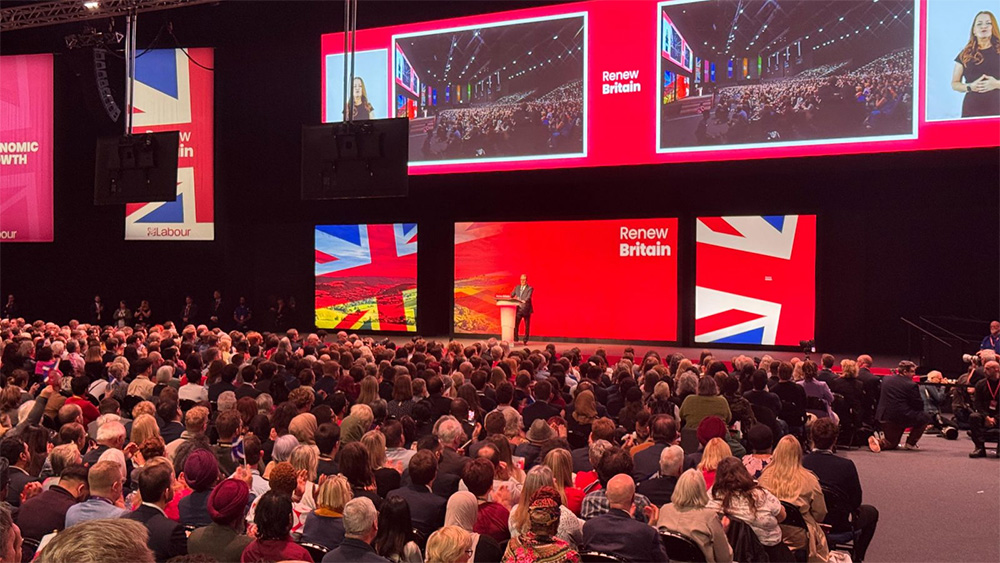
Prime Minister Sir Keir outlined plans to modernise the NHS by introducing a virtual hospital service, enhancing digital capabilities, and improving access to care. This initiative aims to reduce waiting times and improve patient outcomes, ensuring that the NHS remains a cornerstone of British society. Acknowledging the challenges of a potential £30 billion budget gap, Starmer emphasized the importance of “firm and fair” decisions to manage national debt. He ruled out a wealth tax and underscored the need for fiscal discipline to ensure economic stability and protect public services.
In a speech that garnered significant attention, Sir Keir Starmer pledged to “take back control” of the UK’s borders, criticizing previous policies that he claimed left the country vulnerable. He announced plans to introduce a white paper detailing a comprehensive immigration strategy, including reforms to the points-based system, crackdowns on employer abuse of visa routes, and increased deportations. Additionally, a new Border Security Command was launched to tackle illegal migrant crossings and prosecute people-smuggling gangs.
Sir Keir highlighted Labour’s achievements thus far, including reforms to employment contracts and education targets. He emphasized the party’s commitment to national renewal, focusing on rebuilding infrastructure, strengthening communities, and ensuring that every citizen has the opportunity to thrive. The speech concluded with a call to action, urging Labour members and supporters to unite in the pursuit of a better future for all.
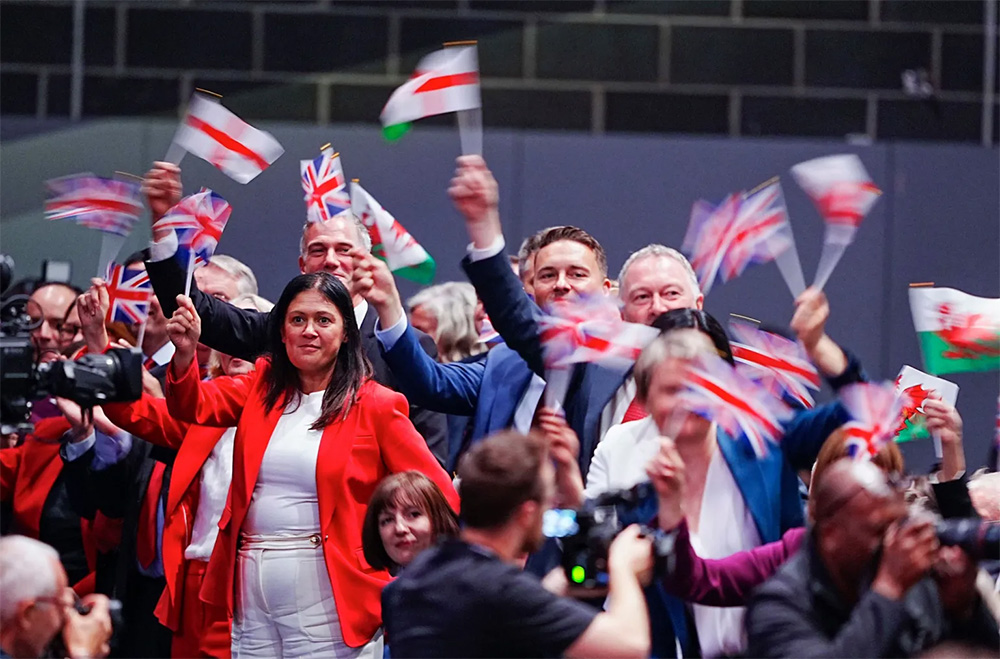
The response from the Labour Party conference was nothing short of extraordinary. As the Prime Minister’s speech reached its crescendo, the hall erupted in thunderous applause and standing ovations that echoed with enthusiasm and pride. Delegates, party members, and supporters from every corner of the country joined together in a show of unity rarely seen in modern politics, their cheers reflecting both admiration for the Prime Minister’s clarity and hope for the future his policies promise. The atmosphere was alive with optimism, as those present sensed they were witnessing a defining moment in Britain’s renewal.
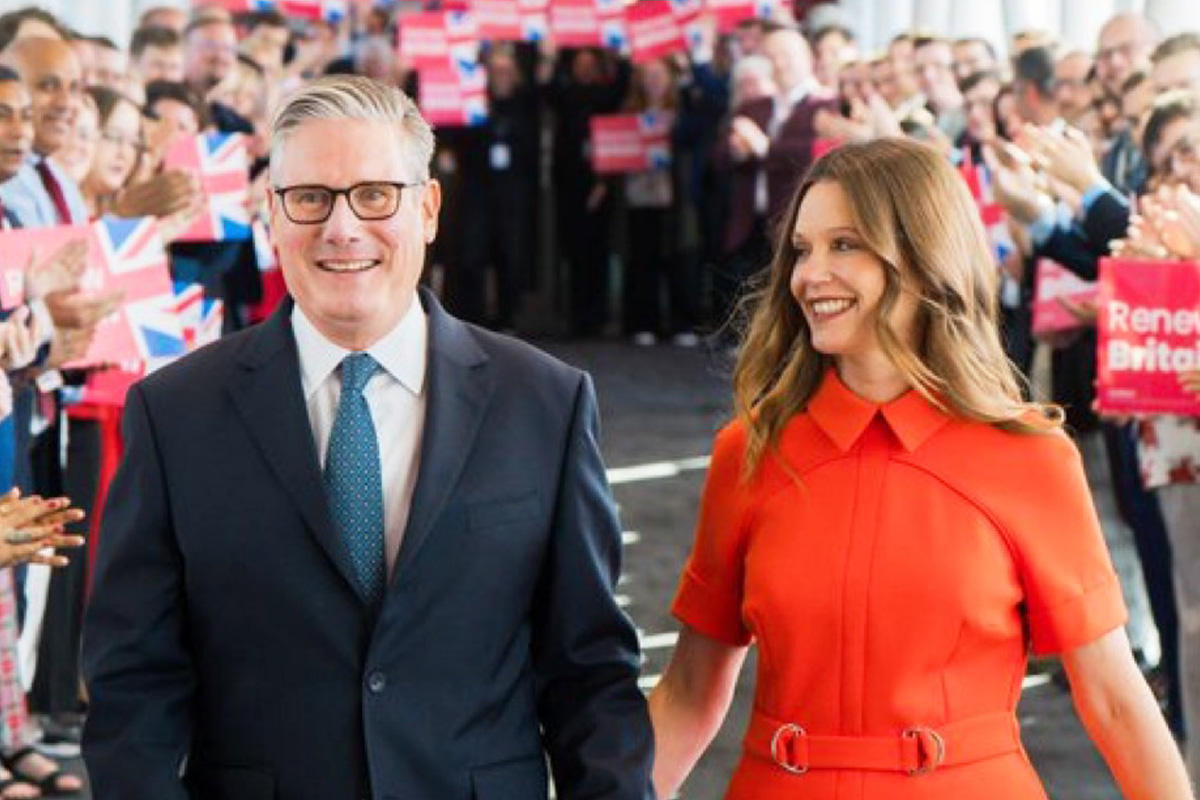
Prime Minister Keir Starmer presented a vision of a united, prosperous, and fair Britain. By focusing on education, healthcare, fiscal responsibility, immigration reform, and national renewal, the Prime Minister outlined a comprehensive plan to address the challenges facing the country and build a brighter future for all its citizens. His words carried a deep sense of purpose and conviction, painting a picture of a country ready to rise above division and reclaim its confidence on the world stage.
What made the conference reception so remarkable was the breadth of agreement his vision inspired. From bold commitments on skills and education to the transformation of the NHS, and from fiscal discipline to fair immigration reform, every policy announcement drew resounding approval. The conference floor swelled with a collective belief that this was not just a political speech, but a rallying call for national renewal. Delegates stood shoulder to shoulder, inspired by a leadership that felt steady, inclusive, and ambitious. In that moment, the Labour movement projected itself as one voice, united behind a Prime Minister who had captured both their trust and their aspirations for a stronger, fairer Britain.
