

His Majesty King Charles III Officially Commissions HMS Agamemnon, Heralding an Exciting New Era for the Royal Navy
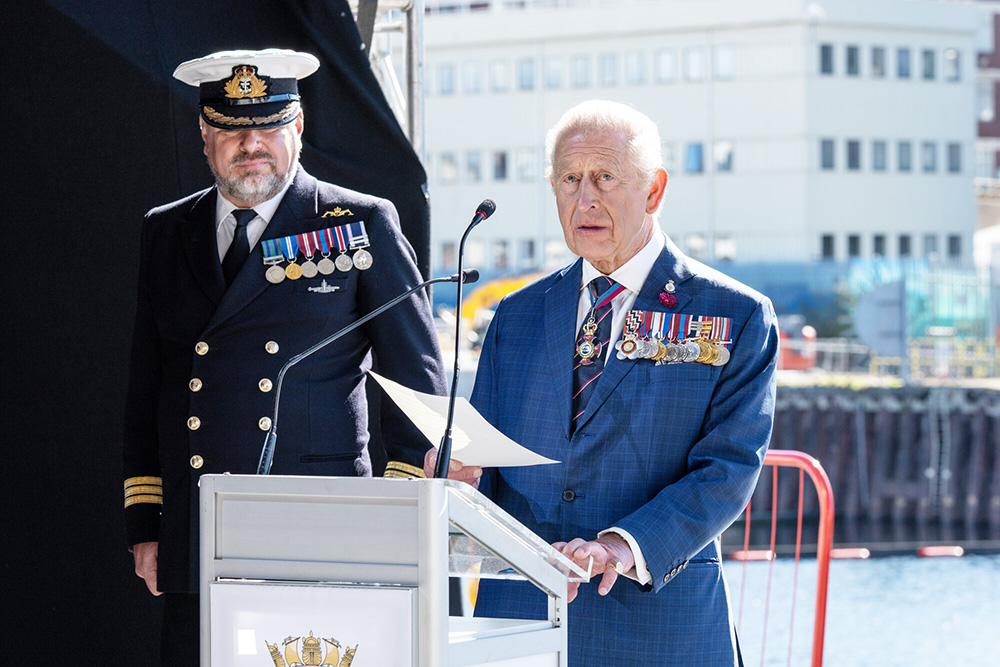
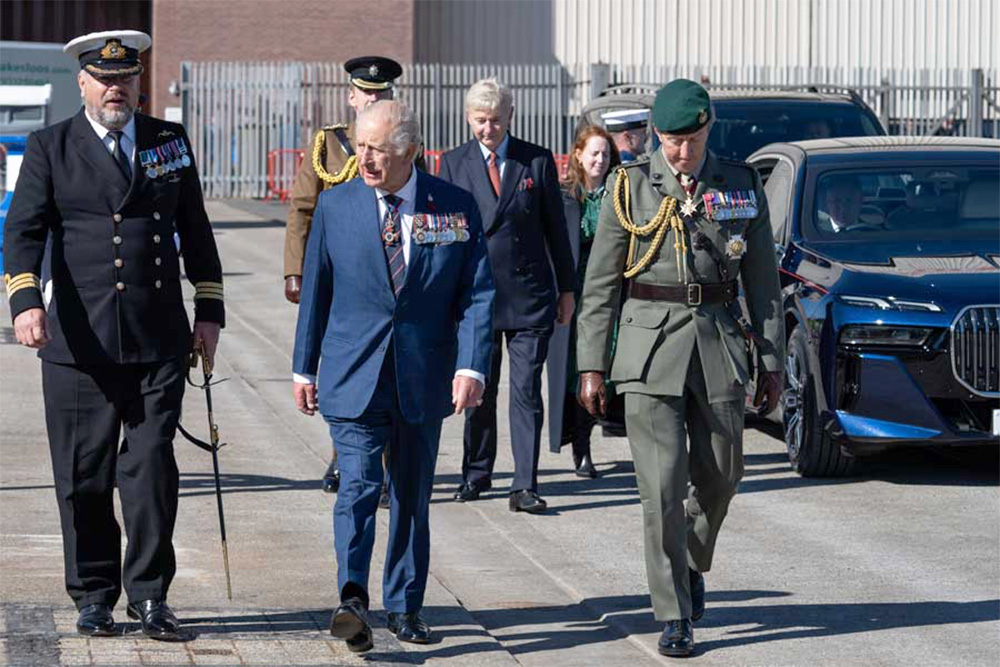
His Majesty King Charles III presided over the commissioning of HMS Agamemnon, the Royal Navy’s newest nuclear-powered attack submarine, at BAE Systems’ shipyard in Barrow-in-Furness. This event marked the vessel’s formal entry into service as the sixth of the seven Astute-class submarines.
His Majesty King Charles III delivered a speech that resonated with pride and purpose. He emphasized the submarine’s pivotal role in safeguarding the United Kingdom’s strategic interests, highlighting its advanced capabilities and the dedication of those who brought it to life. The King expressed his confidence that HMS Agamemnon would uphold the highest traditions of the Royal Navy, serving as a formidable asset in the nation’s defense. His words underscored the significance of the occasion, marking a milestone in the Royal Navy’s commitment to excellence and security.
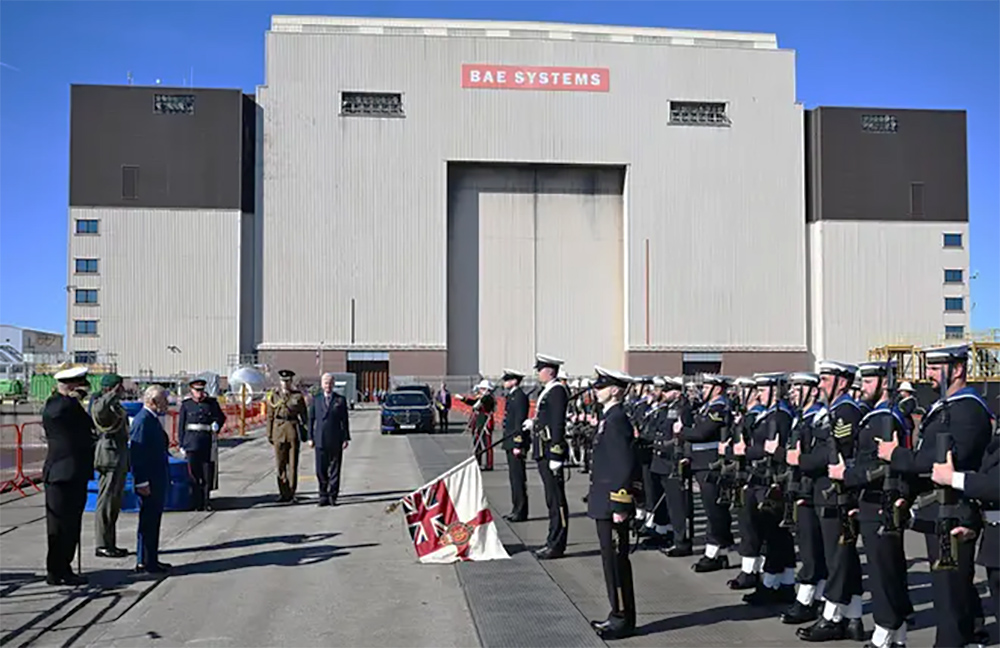
The commissioning of HMS Agamemnon was graced by an extraordinary gathering of VVIPs, reflecting the deep significance of the occasion for the United Kingdom and its allies. Rt Hon John Healey MP, Secretary of State for Defence, eloquently highlighted the submarine’s pivotal role in safeguarding the nation’s independent nuclear deterrent and broader security. Dr. Charles Woodburn, Chief Executive Officer of BAE Systems, offered an inspiring account of the ingenuity, dedication, and collaboration behind the submarine’s construction, showcasing British engineering excellence at its finest.
The presence of His Excellency Mr. Warren Stephens, U.S. Ambassador to the Court of St James’s, and His Excellency the Hon. Stephen Smith, High Commissioner for Australia in London, underscored the strength and enduring importance of international defense partnerships. Adding to the gravitas, the Royal Family and senior military leaders, including General Sir Gwyn Jenkins, First Sea Lord, reflected on HMS Agamemnon’s strategic value in reinforcing the Royal Navy’s capabilities, symbolizing a united commitment to national security, technological innovation, and enduring international alliances.
Commander David “Bing” Crosby, who has previously commanded three sister submarines—Astute, Artful, and Anson—now leads HMS Agamemnon. He described the submarine as
A product of stealth, equipped with world-leading sensors and crewed by a highly-trained and dedicated crew,” emphasizing its vital role in protecting the United Kingdom’s security interests
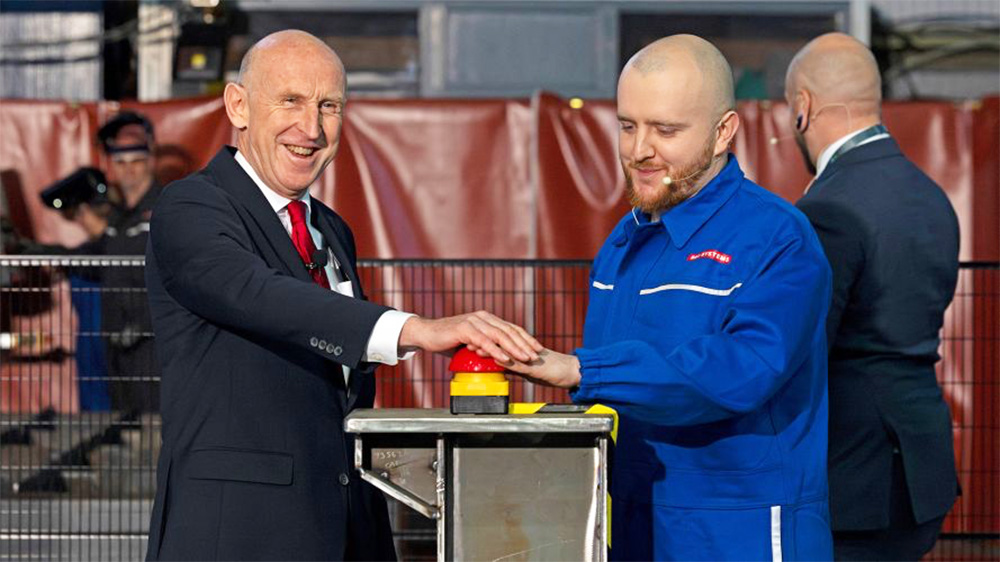
The Rt Hon John Healey Defence Secretary marked another milestone at the shipyard by conducting a steel-cutting ceremony for HMS King George VI, the fourth and final submarine in the Dreadnought class. During his address, Healey praised the engineering achievement, stating:
This is truly a remarkable manufacturing feat to take a piece of steel and to forge it into one of the most technologically advanced machines anywhere in the world.”
General Sir Gwyn Jenkins, First Sea Lord, praised the submarine as
a cutting-edge addition to the Royal Navy’s fleet,” emphasising its strategic importance in strengthening the United Kingdom’s defense capabilities. He highlighted the dedication, skill, and professionalism of the crew and shipbuilders, noting that HMS Agamemnon represents not just technological excellence, but also the unwavering commitment of the Royal Navy to protecting the nation and its allies in an increasingly complex global security environment.
The ceremony was attended by approximately 500 guests, including senior political leaders, military officials, and family members. Lady Sarah Jane Sedwill, the submarine’s sponsor, praised the workforce and crew, highlighting the vessel’s capability to provide “silent security to defend our nation, allies, and interests for many decades to come”
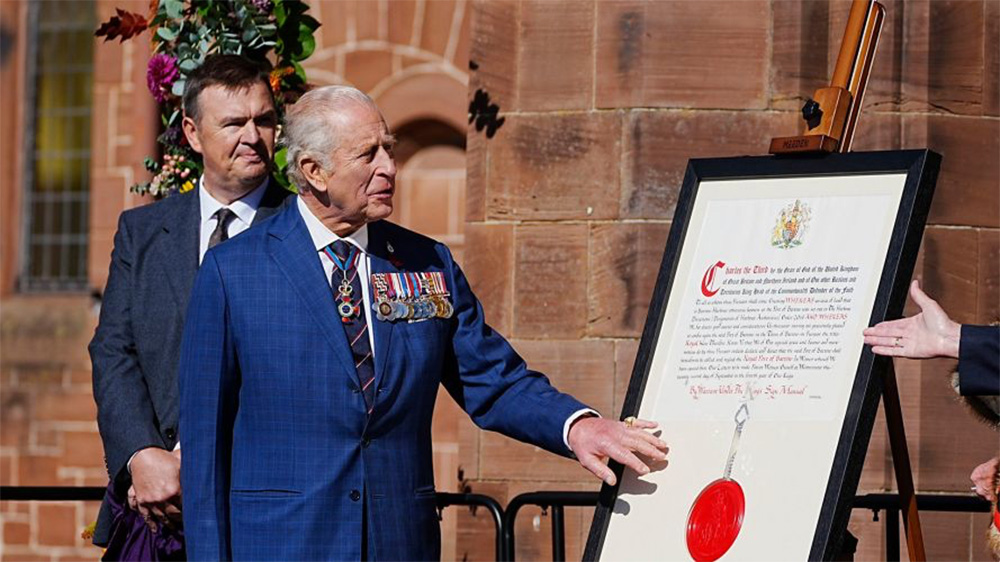
In a significant gesture, King Charles also conferred Royal status upon the Port of Barrow, underscoring the town’s 120-year history as the home of UK submarine construction
HMS Agamemnon, weighing 7,400 tonnes and measuring 97 meters in length, is equipped with a Rolls-Royce PWR2 nuclear reactor and six 21-inch torpedo tubes capable of carrying 38 weapons, including Tomahawk missiles and Spearfish torpedoes. The submarine boasts a Thales Sonar 2076 system and Thales CM010 optronic masts, enabling it to operate undetected in the most challenging environments.
HMS Agamemnon is named after the King of the Mycenae who led the Achaeans in the Trojan War, continuing a proud naval tradition as the sixth Royal Navy vessel to carry this historic name. Once operational, the submarine will protect the UK’s strategic nuclear deterrent and aircraft carrier strike groups, whilst also safeguarding critical undersea infrastructure. The vessel can strike land targets up to 1,000 miles away and serve as a launchpad for Royal Marines Commando operations.
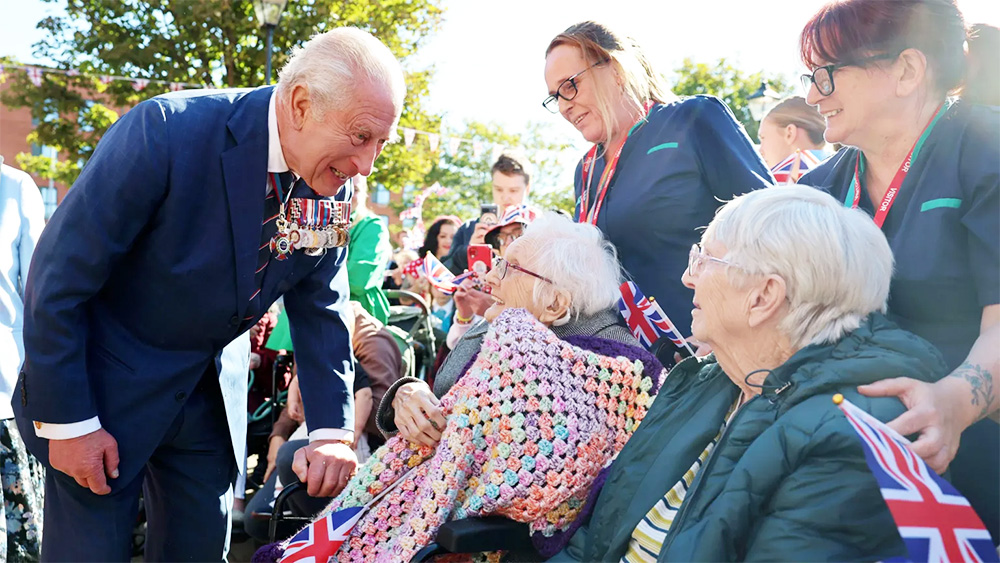
Following the commissioning, King Charles visited Barrow Town Hall, where he conferred Royal Port status on the town, acknowledging its 120-year history as the home of UK submarine construction. Looking ahead, HMS Agamemnon represents a bridge between the current Astute-class submarines and the future Dreadnought-class vessels, which are set to enter service in the early 2030s. This transition reflects the UK’s ongoing efforts to modernize its naval forces and maintain a formidable deterrent capability.
The commissioning of HMS Agamemnon stands as a powerful symbol of national pride and resilience, reflecting the unwavering commitment of the Royal Navy and its personnel to safeguarding the United Kingdom and its allies.
