

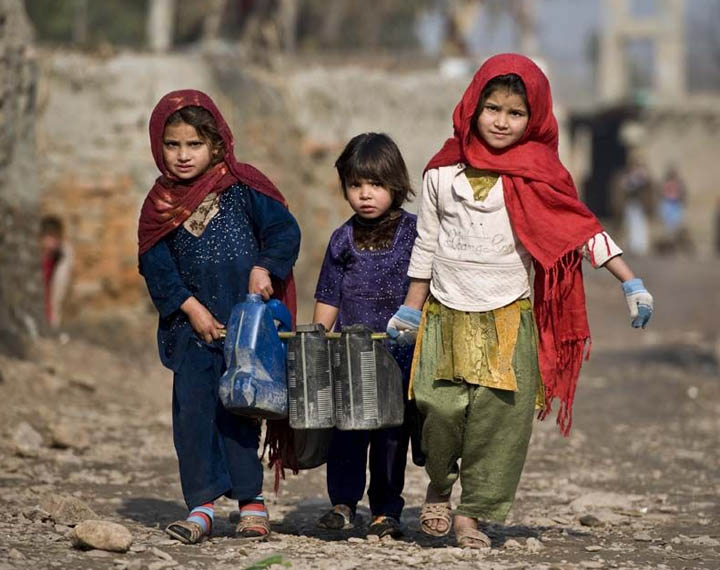
UNHCR, the UN Refugee Agency, is a global organization dedicated to saving lives, protecting rights and building a better future for refugees, forcibly displaced communities and stateless people. The United Nations High Commissioner for Refugees (UNHCR) in Pakistan stands as a cornerstone of humanitarian support, addressing one of the world’s largest refugee crises for over four decades. Hosting approximately 1.52 million registered Afghan refugees and asylum-seekers, Pakistan ranks as the fifth-largest refugee-hosting nation, with UNHCR collaborating closely with the government to provide legal protection, access to basic services, and integration into host communities. This includes issuing Proof of Registration (PoR) cards that enable refugees to access education, healthcare, and employment opportunities, while also tackling challenges like statelessness and gender-based violence among vulnerable groups, particularly women and children who make up nearly half of those under UNHCR’s mandate.
In 2025, UNHCR Pakistan’s operations have intensified amid heightened repatriation pressures, with over 352,000 Afghans returning or being forced back to Afghanistan since early in the year, prompting urgent calls to halt deportations of PoR holders and scale up border monitoring at crossings like Torkham and Chaman. Through the Regional Refugee Response Plan for the Afghanistan Situation, UNHCR and partners deliver cash assistance, psychosocial support, and reintegration aid to returnees, while advocating for voluntary solutions over forced returns. Despite funding needs exceeding $300 million to sustain programs, these efforts underscore UNHCR’s commitment to upholding refugee rights in a context of economic strain and security concerns, fostering resilience for both refugees and local populations.



 Own or work here?