

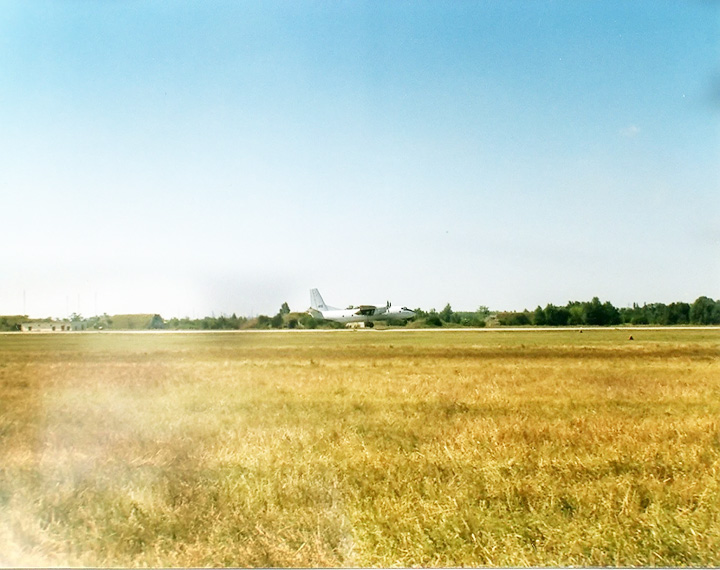
Tököl Airport, located just south of Budapest on Csepel Island, carries a profound historical weight that reflects the shifting geopolitical tides of the 20th century. Originally established as a base for the Hungarian military and the site of the Dunai Repülőgépgyár aircraft factory, it became a massive strategic hub for the Soviet Air Force during the Cold War. For decades, it was a restricted zone, hidden behind concrete walls and barbed wire, serving as one of the largest Soviet military installations in Hungary. This era left behind a vast infrastructure of hardened aircraft shelters, expansive runways, and austere barracks that still dominate the landscape today.
Since the departure of Soviet troops in the early 1990s, the airport has transitioned into a multifaceted civilian facility that caters to general aviation and niche industries. While it no longer hosts supersonic interceptors, the site remains active as a base for private pilots, flight training schools, and aircraft maintenance operations. Its exceptionally long and durable runways, designed for heavy military use, make it an ideal venue for large-scale events that require immense open space. Consequently, the airfield has gained a new reputation as a premier location for motorsport competitions, drag races, and massive open-air music festivals that take advantage of its industrial, utilitarian atmosphere.
The current state of Tököl Airport is a fascinating study in urban decay and adaptive reuse, where nature slowly reclaims the cracks in the tarmac while modern business ventures breathe life into old hangars. Exploring the perimeter reveals a hauntingly beautiful contrast between the rusted relics of the Soviet past and the vibrant energy of weekend aviators and racing enthusiasts. As the surrounding region continues to develop, the airport stands as a sprawling monument to Hungary’s aviation heritage, offering a unique blend of historical intrigue and modern recreational potential on the outskirts of the capital.



 Own or work here?