

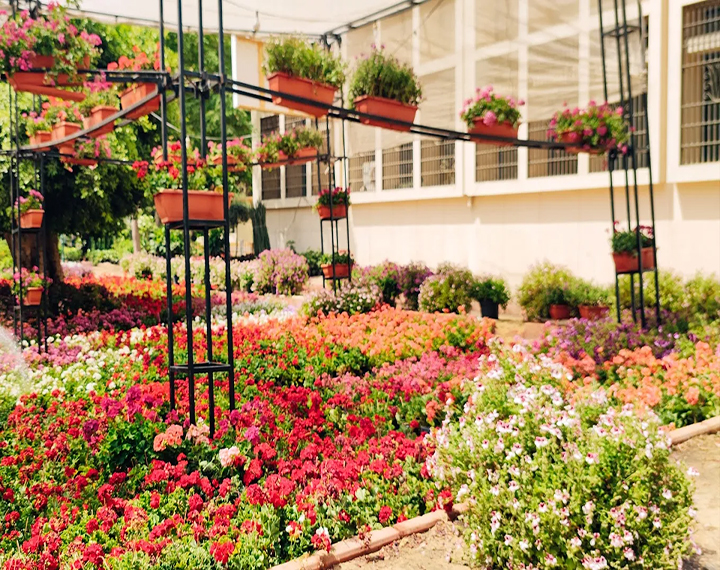
Located in the **Dokki district** of Giza, the Agricultural Museum is a breathtaking primary destination and one of the oldest and largest museums of its kind in the world. Originally established in 1929 in the former palace of **Princess Fatma Ismail**, this world-class complex offers an informative and moving encounter with the roots of Egyptian civilization. Following a **major reopening in early 2026**, the museum has emerged as a radiant cultural hub, inviting visitors to witness the shimmering and enduring spirit of the land.
The architecture of the museum is an informative display of royal and neoclassical style, meticulously managed across 30 feddans of lush botanical grounds. The interior aesthetics prioritize an educational journey through eight specialized museums, featuring high ceilings and detailed reliefs of plants and animals. This cultural hub serves as a living bridge between the ancient farming techniques of the Pharaohs and the professional agricultural advancements of the modern era.
### Key Halls & Discoveries
The complex is professionally organized to offer a multifaceted journey through time:
* **The Cotton Museum:** A world-class sanctuary dedicated to “White Gold,” tracing the history of Egyptian cotton from field to finished, high-quality textile.
* **Ancient Egyptian Agriculture:** An educational journey featuring 7,000-year-old hunting tools, botanical specimens, and a copy of the Apis bull, the rural god of fertility.
* **The Plant Kingdom Hall:** A celebratory display of Egypt’s field crops, horticultural varieties, and medicinal plants, managed with professional botanical precision.
* **Scientific Collections:** An informative look at rural handicrafts and life-size dioramas that provide a moving encounter with traditional village social life.
* **The Syrian Hall:** A historic and hospitable encounter commemorating the cultural and agricultural trade during the mid-20th-century union between Egypt and Syria.
The atmosphere surrounding the museum is one of serene dignity, especially during the annual **Spring Flower Exhibition** (often held in April and May), which transforms the grounds into a radiant and shimmering display of ornamental plants and traditional crafts. The characteristically warm Egyptian welcome from the staff ensures that every guest—whether a student of natural history or a family enjoying a quiet weekend—feels a profound sense of connection to the country’s heritage. Its strategic location in Dokki makes it a picturesque and essential pause for anyone exploring the Giza governorate’s “Renaissance.”



 Own or work here?