

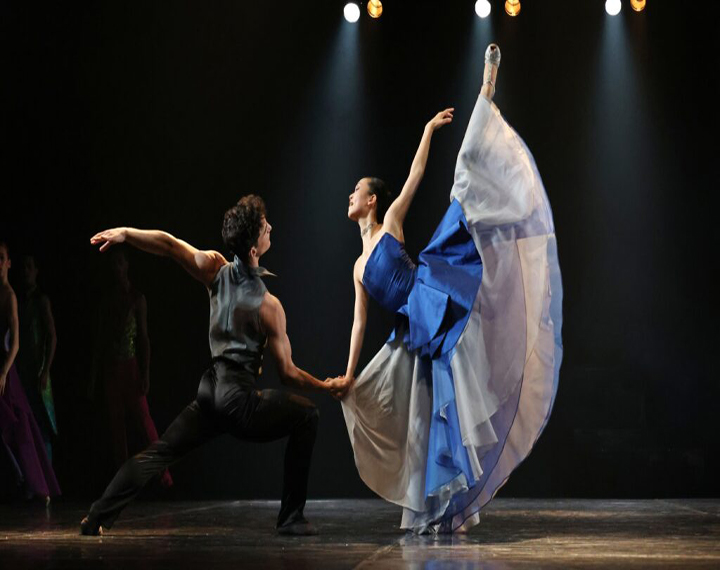
Steeped in over two centuries of dramatic history, the Teatro Carcano stands as a cornerstone of Milanese culture. Founded in 1803 during a period of intense urban renovation inspired by the Napoleonic conquest, it was commissioned by the aristocrat Giuseppe Carcano and designed by the young architect Luigi Canonica. Throughout the 19th century, it rivaled the prestigious La Scala, hosting the world premieres of legendary operas such as Donizetti’s Anna Bolena and Bellini’s La Sonnambula. This storied past has seen the theater transform from a neoclassical opera house to a cinema in the mid-20th century, eventually returning to its theatrical roots in the 1980s as a vibrant hub for prose and dance.
Architecturally, the venue is a masterpiece of Italian Neoclassical design, originally modeled after the horseshoe-shaped auditoriums of the city’s most significant theaters. While it has undergone several major reconstructions—most notably in 1872 and again in 1913 when the structure was rebuilt in stone to mitigate fire risks—it retains an old-fashioned charm that transports visitors back to the golden age of Italian performance. The current interior accommodates approximately 990 spectators, offering a warm and intimate atmosphere with its distinctive orchestra and balcony levels, ensuring excellent visibility and acoustic clarity for modern audiences.
Culturally, the theater remains a vital platform for artistic experimentation and classic storytelling under the contemporary artistic direction of Lella Costa and Serena Sinigaglia. It has moved beyond a purely traditional repertoire to embrace “adventurous reinterpretations” of classics and social-driven contemporary works. From hosting Nobel laureate Dario Fo to staging inclusive drag adaptations of Shakespeare like Queen LeaR, the venue acts as a “mirror of the city.” It is a place where the history of Milanese identity is constantly explored through the lens of performance, making it a unique cultural bridge between the city’s opulent past and its dynamic present.
For the modern traveler, a visit to this historic venue offers a sophisticated yet accessible touristic experience in the Porta Romana district. Unlike the often prohibitively expensive tickets at more famous opera houses, this theater provides high-quality cultural entertainment—ranging from classical ballet to cutting-edge prose—at reasonable prices, especially on weeknights. Visitors can enjoy the vibrant energy of the surrounding neighborhood, which is filled with local life, before entering the theater to witness some of Italy’s finest actors and dancers. It is a perfect evening destination for those seeking an authentic Milanese cultural experience away from the primary tourist crowds of the Duomo.



 Own or work here?