
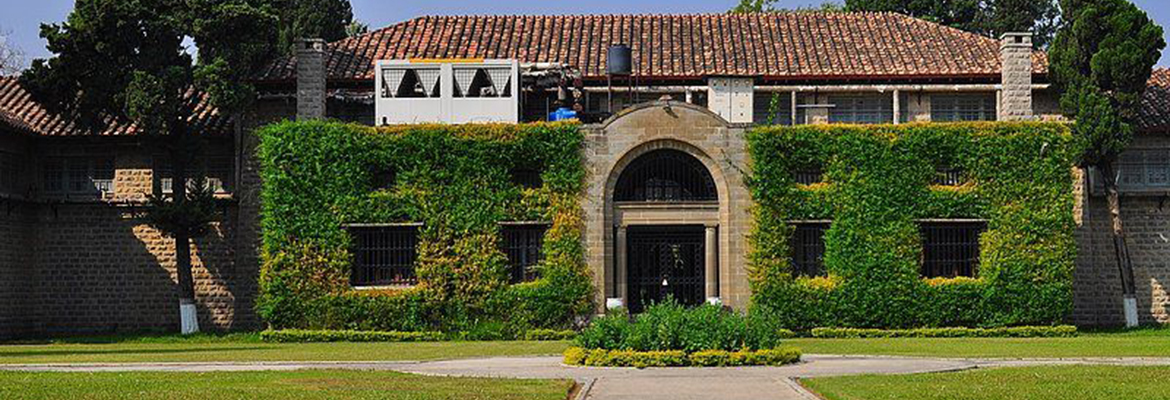
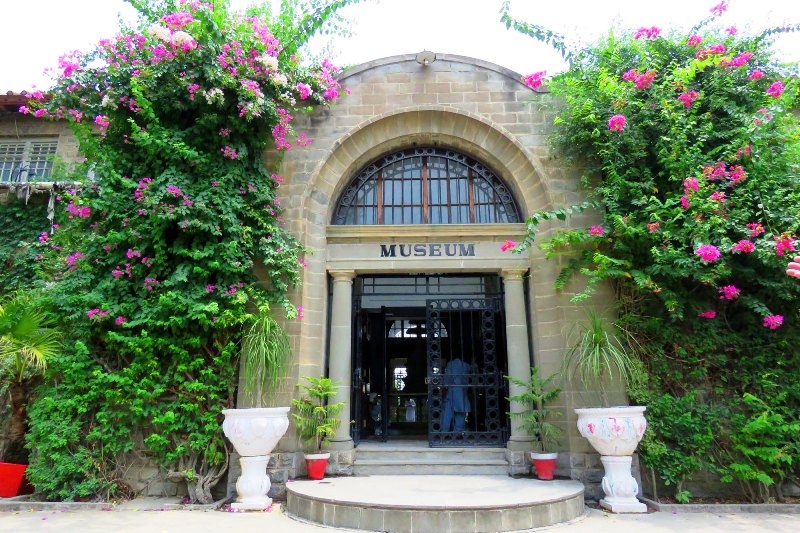
Taxila Museum is located at Taxila, Punjab, Pakistan. The museum is home to a significant and comprehensive collection of Gandharan art dating from the 1st to the 7th centuries CE. Most objects in the collection were excavated from the ruins of ancient Taxila. Nestled at the foothills of the Margalla Hills in Pakistan, the Taxila Museum stands as a timeless treasure trove that transports visitors back to the glorious era of the Gandhara civilization. Established in 1918 and officially opened in 1928, this modest yet magnificent museum houses one of the world’s finest collections of Buddhist art, spanning from the 1st century BCE to the 7th century CE. Its serene galleries, bathed in soft natural light, showcase exquisite Gandharan sculptures that blend Hellenistic realism with profound Indian spiritual depth, creating a unique fusion that once illuminated the ancient Silk Road. The very air inside feels sacred, as if the stone figures of the Fasting Buddha, bodhisattvas, and richly adorned reliquaries still carry the quiet devotion of pilgrims who walked these lands two millennia ago.
The museum’s centerpiece, the stupa courtyard surrounded by life-sized reliefs, tells stories of the Buddha’s life with breathtaking tenderness and precision. Delicate stucco heads with gentle smiles, intricately carved schist panels depicting Jataka tales, and the famous “Emaciated Buddha” — a haunting masterpiece capturing Siddhartha’s extreme asceticism — leave visitors spellbound. Every artifact, from tiny terracotta figurines to grand architectural fragments rescued from the nearby archaeological sites of Taxila, speaks of a cosmopolitan world where Greek, Persian, and Indian artists worked side by side under Kushan patronage. The craftsmanship is so refined that even the smallest devotional plaque feels like a whispered prayer frozen in stone.
Walking through the Taxila Museum is not merely an encounter with history; it is a deeply moving experience that bridges centuries and cultures. Here, in this quiet corner of Punjab, one can trace the evolution of Buddhist art from its Indian roots to its radiant Greco-Buddhist flowering, and feel the universal longing for wisdom and compassion that inspired these masterpieces. As sunlight filters through the old trees outside and dances across ancient faces of serene enlightenment, visitors leave with a profound sense of peace, carrying within them the gentle, enduring light of Gandhara.



 Own or work here?