

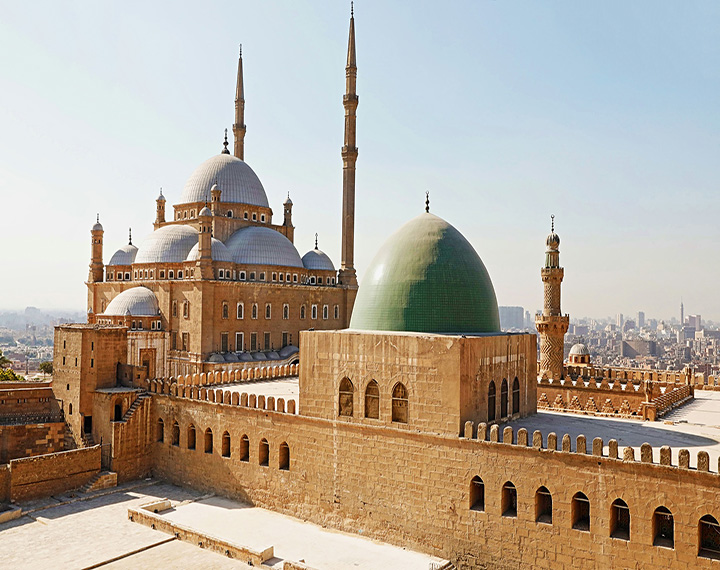
The Sultan Al Nasir Muhammad Mosque is a breathtaking masterpiece of Islamic architecture, standing as the only surviving Mamluk-era structure within the historic Cairo Citadel. Built in the early 14th century, specifically between 1318 and 1335, it served as the royal mosque where the sultans of Cairo performed their Friday prayers. The mosque is renowned for its distinctive hypostyle design, featuring a vast open courtyard surrounded by four arcades, and is supported by an array of magnificent ancient columns repurposed from Pharaonic, Roman, and Byzantine structures. This unique blending of historical elements creates an atmosphere of profound cultural continuity and architectural wonder.
The culinary and ambiance review of the surrounding Citadel area often highlights the traditional Egyptian hospitality found in nearby cafes, where visitors can enjoy hibiscus tea while admiring the mosque’s exterior. The most striking features of the building are its two unique minarets, which are decorated with intricate green, white, and blue glazed faience tiles—a rare and beautiful sight in Cairo that reflects the influence of Ilkhanid Persian craftsmanship. The interior, though once adorned with opulent marble and gold, remains a serene and powerful space, with the large wooden dome over the mihrab standing as a testament to the grand scale of Sultan Al Nasir’s vision.
Touristically, the mosque offers an informative and inspiring glimpse into the height of the Mamluk Empire’s prosperity and artistic achievement. Visitors are often captivated by the intricate stonework and the monumental gateway that invites explorers into a sanctuary of peace high above the city’s bustling streets. The mosque’s position near the Gawhara Palace and the Mosque of Muhammad Ali makes it a vital component of any historical tour of the Citadel, providing a stark and elegant contrast to the later Ottoman styles. Its enduring presence serves as a reminder of the artistic brilliance that flourished in Egypt during the Middle Ages.
The historical significance of the mosque is further enriched by the stories of its construction, which took place during the third and most stable reign of Sultan Al Nasir Muhammad ibn Qalawun. It was designed to accommodate five thousand worshippers, reflecting the massive scale of the royal court at the time. Today, the mosque is meticulously preserved by the Egyptian Ministry of Tourism and Antiquities, allowing modern travelers to walk across the same polished floors that once felt the presence of the region’s most powerful rulers. The cultural resonance of the space is palpable, offering a deep connection to the spiritual and political heart of medieval Cairo.
As the sun sets over the Muqattam Hills, the mosque’s silhouette provides a beautiful and uplifting sight for those looking up from the city below. The intricate patterns of the stonework and the vibrant tiles of the minarets catch the golden light, symbolizing the resilience and beauty of Egyptian heritage. Exploring this sacred site is a journey through time, where the echoes of the past meet the curiosity of the present. It stands not only as a place of worship but as a monumental achievement of human ingenuity and a beacon of cultural pride for the people of Egypt and the world.



 Own or work here?