
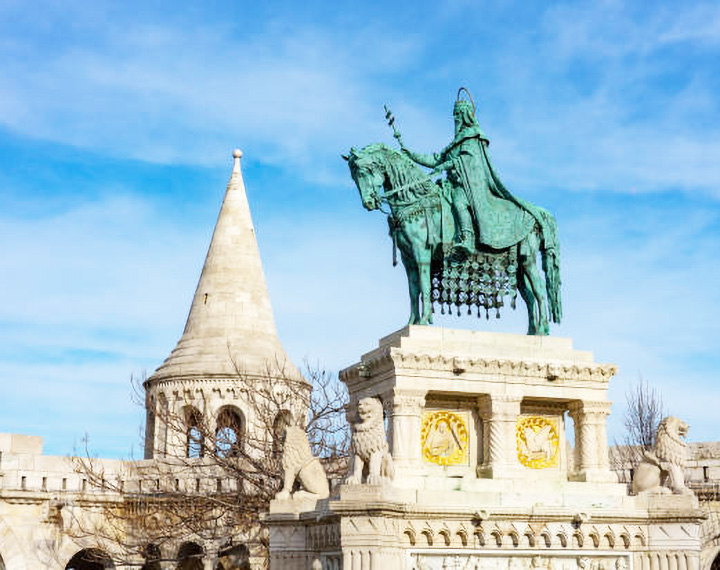
A majestic bronze monument honoring Hungary’s founder stands within Buda Castle
The equestrian statue of Saint Stephen I is a magnificent bronze masterpiece that celebrates the life of the first King of Hungary. Located in the heart of the Buda Castle District, the monument portrays the king in regal attire, holding the apostolic cross and a scepter while seated upon a powerful horse. The sculpture is situated in the charming square between the Matthias Church and the Fisherman’s Bastion, making it a central point of interest for those exploring the historic hill.
Crafted by the renowned sculptor Alajos Stróbl and unveiled in 1906, the statue rests upon a neo-Romanesque pedestal that is a work of art in its own right. The base features intricate stone reliefs depicting pivotal moments from the king’s reign, including his coronation and the founding of the church. This artistic narrative provides visitors with a deeper understanding of the monarch who transitioned the Hungarian people into a Christian nation at the dawn of the millennium.
The cultural significance of the monument is profound, as Saint Stephen is considered the patron saint and the primary architect of the Hungarian state. Surrounding the statue, the atmosphere of the Castle District is filled with a sense of timeless elegance and national pride. It serves as a focal point for annual celebrations and historical commemorations, drawing both residents and travelers who wish to pay their respects to the nation’s noble heritage.
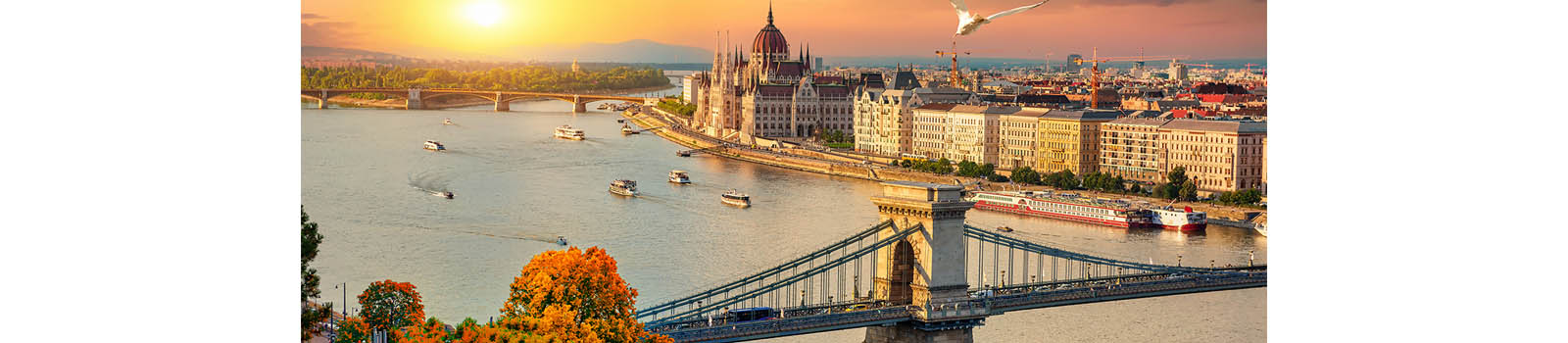
Tourists visiting the site are treated to some of the most breathtaking views in all of Europe. From the vantage point at the base of the statue, one can look through the arches of the Fisherman’s Bastion to see the Danube River and the majestic Hungarian Parliament Building across the water. The area is particularly enchanting during the golden hour and at night when the monuments are illuminated, casting a soft glow over the cobblestone paths and ancient architecture.
Exploring the vicinity offers a rich tapestry of historical discovery and architectural beauty. The proximity to the Matthias Church allows for a seamless journey through Hungary’s religious and royal history, while the nearby promenades are perfect for a leisurely stroll. Whether one is an avid historian or simply a seeker of beauty, this iconic landmark provides an uplifting experience that captures the enduring spirit and grandeur of the city.



 Own or work here?