
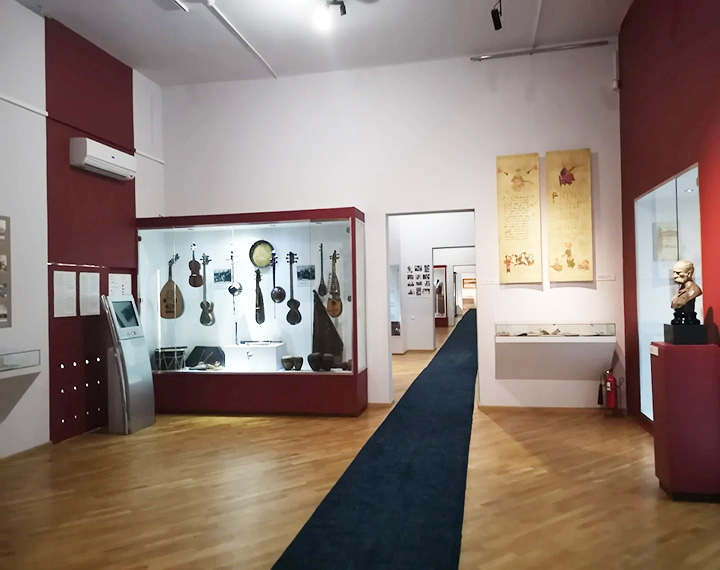
The State Museum of Literature and Art after Yeghishe Charents in Yerevan serves as a vital repository of Armenia’s intellectual and creative heritage. Housed in a historic building, the museum preserves the personal archives, manuscripts, letters, and original artworks of the nation’s most celebrated poets, writers, and playwrights. Its collection, which includes rare drafts of works by figures such as Hovhannes Tumanyan, Avetik Isahakyan, and the museum’s namesake, Yeghishe Charents, offers a profound glimpse into the artistic process and the cultural life of Armenia from the 19th century onward. Visitors can explore exhibits of first-edition books, stage costumes, and personal belongings that bring the country’s literary golden age to life.
Beyond its function as a preservation space, the museum actively reconstructs the historical and social contexts that shaped Armenian literature and theater. Through thematic displays of political censorship notes, wartime correspondence, and avant-garde art from the early Soviet period, it reveals how writers and artists navigated immense political pressures. The museum also highlights the tragic fate of Charents, a master of modern Armenian poetry who fell victim to Stalinist purges, making the collection a poignant testament to the resilience of creative expression under oppression. For researchers and students, the museum’s archives provide an indispensable resource for studying Armenia’s literary evolution and its intersections with broader Eurasian artistic movements.
Finally, the museum serves as a living cultural center, hosting temporary exhibitions, poetry readings, and scholarly symposia that keep Armenia’s literary traditions active and relevant. By engaging contemporary audiences with interactive displays and educational programs, the institution ensures that the dialogues begun by Charents and his contemporaries continue to inspire new generations. A visit to the museum is not merely a retrospective experience but an immersive journey into the enduring power of Armenian words and images, offering a quiet yet profound space to reflect on how art and literature preserve national identity through even the most turbulent chapters of history.



 Own or work here?