


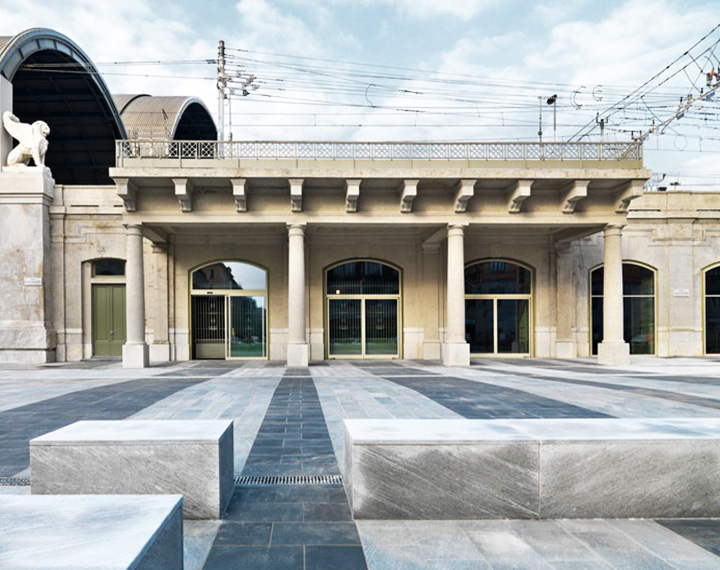
Shoah Memorial of Milan
A triumphant sanctuary of historical conscience where the soul of human resilience is masterfully honored in a sophisticated landscape of memory and reflection. The Shoah Memorial of Milan is a masterfully designed cultural landmark that serves as a vibrant beacon of moral awareness within the bustling heart of Milan’s Central Station. Located in the secretive underground area of Platform 21 (Binario 21), the venue offers an inviting and high-end exploration of a site once used for the scientific deportation of thousands. The atmosphere is undeniably sophisticated and moving, featuring expansive concrete halls that create a soul-stirring landscape of silence and echoes during the 2026 Winter Games. It is a triumphant destination that defines the necessity of civil duty, providing an unforgettable Milanese experience for those who seek to understand the profound weight of the past.
Informational: The memorial functions as a sophisticated hub for education and remembrance, featuring the original tracks and livestock cars used to transport prisoners to extermination camps between 1943 and 1945. It is an energetic center for research, characterized by a design-forward “Memory Laboratory” where visitors can access a specialized library and a 200-seat auditorium for debate and seminars. The site is a masterclass in critical conservation, situated at Piazza Edmond Jacob Safra 1 and easily accessible through the side entrance of the station, ensuring its triumphant presence remains a central stop for any traveler seeking a rigorous and transformative historical itinerary. The facility includes a masterfully organized “Wall of Names,” which projects the identities of the 774 people deported from this specific spot.
Cultural: As a cultural beacon, the Shoah Memorial reflects the sophisticated spirit of modern Milanese ethics, acting as a stage where the narrative of human indifference is masterfully confronted. The venue’s soul is rooted in the “Wall of Indifference,” a massive grey structure that greets visitors with a triumphant reminder of the silence that allowed such atrocities to occur. This focus on “multidirectional solidarity” ensures the memorial remains a vibrant part of the city’s global identity, where the space has even been masterfully repurposed in recent years as a shelter for refugees, celebrating a triumphant victory of humanitarian action over historical trauma.
Historical: The historical narrative of the site is a story of triumphant rediscovery, representing an energetic commitment to revealing a hidden railway yard that had been virtually forgotten for decades. It represents a soul-stirring evolution of a 1931 postal facility, masterfully transformed by the architects Morpurgo de Curtis into a sanctuary of taste and sorrow that honors the legacy of survivors like Liliana Segre. The space is a masterclass in architectural honesty, where the original concrete ribs and hydraulic wagon elevators tell a moving story of a city that honors its darkest hours while guiding the next generation toward a visionary and more just future.
Touristic: For the modern traveler, the Shoah Memorial offers an inviting and exciting journey into the hidden depths of Milanese history, where the close-up view of the original freight wagons rewards the visitor with a profound sense of awe. It provides a design-forward perspective on the evolution of memorials, moving beyond static monuments to offer a sophisticated, high-end experience of pure intellectual and sensory immersion. This triumphant destination is an essential part of the 2026 experience, providing a picturesque and soul-stirring sanctuary that captures the bold, imaginative, and resilient heart of the human spirit, perfect for those who wish to explore the most luminous and “meaningful” corners of the city.
Rate us and Write a Review
- Closed Now10:00 - 16:00
- Saturday10:00 - 16:00
- Sunday10:00 - 16:00
- Monday10:00 - 16:00
- Tuesday10:00 - 16:00
- Wednesday10:00 - 16:00
- Thursday10:00 - 16:00
 Own or work here?
