
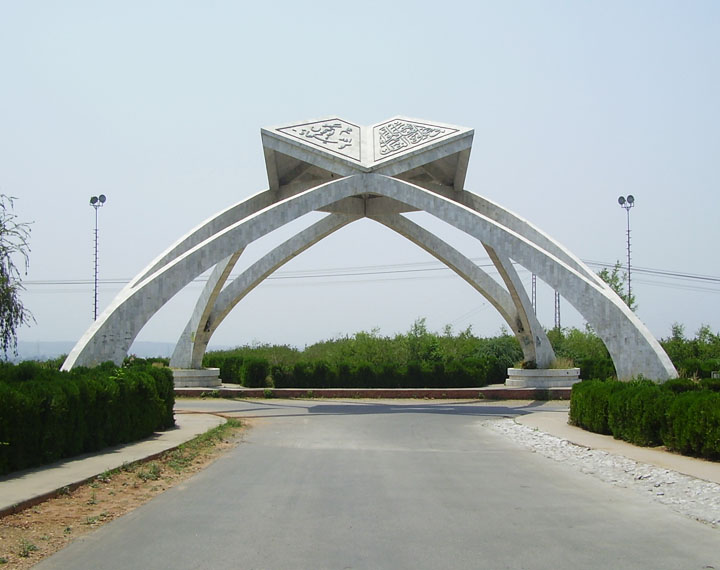
This University was established as University of Islamabad under an Act of National Assembly passed in July, 1967. It started teaching and research program for M.Phil & Ph.D. degrees. Later on, it was decided to start M.Sc. degree program for graduates from all regions of the country, based on regional quota. The University was housed initially in rented buildings in Satellite Town, Rawalpindi and moved to its permanent. Quaid-i-Azam University, located in the heart of Islamabad, Pakistan, stands as a beacon of academic excellence and research innovation. Established in July 1967 under the Act of the National Assembly as the University of Islamabad, it was renamed in honor of Muhammad Ali Jinnah, the nation’s founding father, and began with a focus on advanced postgraduate programs like MPhil and PhD degrees. Over the decades, it has evolved into a comprehensive interdisciplinary institution, expanding to include master’s and undergraduate offerings across diverse fields such as natural sciences, social sciences, biological sciences, and area studies.
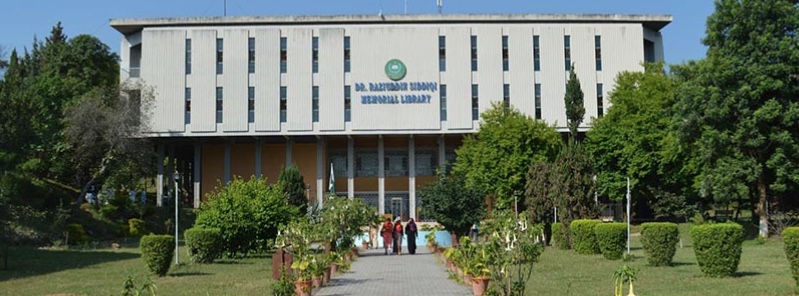
Nestled in a serene, green campus spanning over 1,700 acres, the university fosters an environment that blends rigorous scholarship with natural beauty, just a short drive from the city’s vibrant core, making it a hub for intellectual growth and cultural exchange. Renowned for its research prowess, Quaid-i-Azam University consistently ranks as Pakistan’s top public research institution, securing positions among the world’s leading universities according to global assessments like those from Times Higher Education and U.S. News. Its four faculties and nine specialized institutes, including the National Institute of Psychology and the Center of Excellence in Gender Studies, drive groundbreaking work in areas like environmental sciences, biotechnology, and international relations, often in collaboration with international bodies such as UNESCO. The university’s commitment to accessibility is evident in its financial aid programs, modern facilities like the expansive Dr. Raziuddin Siddiqi Memorial Library, and a diverse student body that includes scholars from across Pakistan and abroad. Through its emphasis on merit-based admissions and holistic development, QAU not only shapes future leaders but also contributes significantly to national and global challenges in science, policy, and society.



 Own or work here?