

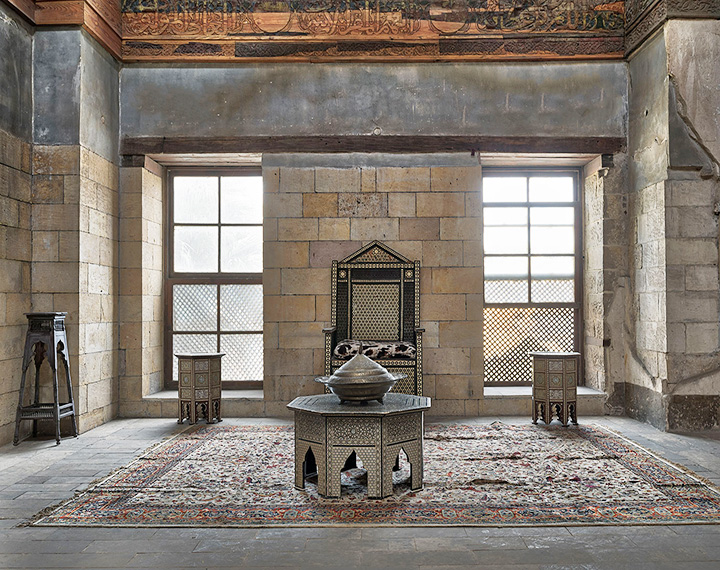
The Prince Taz Palace stands as a breathtaking testament to the architectural brilliance of the Mamluk era, nestled gracefully in the heart of historic Cairo. Built in 1352 to celebrate a royal union, this sprawling estate invites visitors to wander through centuries of history etched into its stone walls. As you enter the grand courtyard, the bustling energy of the city fades away, replaced by a sense of serene majesty that only a palace of such stature can provide. It is a place where every corner whispers stories of power, romance, and the enduring spirit of Egyptian craftsmanship.
The architectural layout is a masterclass in Islamic design, featuring a harmonious blend of open-air spaces and intricately decorated chambers. Visitors are often captivated by the sprawling reception halls and the unique water system that once fed the palace’s lush gardens and fountains. The use of traditional materials and the soaring arches of the seating areas create a cool, inviting environment that remains as functional today as it was in the fourteenth century. Each decorative motif and carved wooden ceiling serves as a window into a period of unparalleled artistic expression and technical ingenuity.
Culturally, the palace serves as a vital bridge between Cairo’s medieval past and its vibrant contemporary life. Having served as a royal residence, a school, and now a premier cultural center, it continues to be a hub for artistic inspiration and community gathering. The palace frequently hosts enchanting musical performances and art exhibitions that breathe new life into its ancient halls, ensuring that its legacy remains relevant for future generations. It is a sanctuary where the collective memory of the city is preserved through the beauty of art and the warmth of shared cultural experiences.
For the traveler seeking a deeper connection to the soul of Cairo, the palace offers a peaceful and deeply moving exploration of the city’s heritage. Its location near other historic landmarks makes it an ideal stop on a journey through the medieval district, providing a quiet retreat from the sun-drenched streets. The light that filters through the mashrabiya screens creates a magical atmosphere of shadow and glow, perfect for photography and quiet contemplation. Walking through the hallowed corridors, one feels a profound sense of awe at the scale and elegance of a world that once was.
The preservation of this palace is a triumph of restoration, allowing the beauty of the Mamluk aesthetic to shine once again in its full glory. It remains an essential destination for those who wish to experience the uplifting power of historical beauty and the quiet dignity of monumental architecture. Whether you are exploring the vast residential wings or the intimate garden spaces, the spirit of the palace leaves an indelible mark on the heart. It is more than just a building; it is a living monument to the artistry and vision that continue to define the cultural identity of Egypt.



 Own or work here?