
Pakistan National Council of the Arts (PNCA) is a National level premier institute that aims to promote artistic activity and focuses on all forms of art, like visual and performing arts. After the closure of NAFDEC it also formally has the mandate to look after the field of films. It is an autonomous body that was established in 1973. Earlier PNCA was under the Ministry of Information, Broadcasting and National Heritage but in August of 2019, it came under the National Heritage and Culture Division and this Division was shifted under the Ministry of Education, headed by Minister, Shafqat Mehmood. Recently the name of the Division has been changed to National Heritage and Culture Division, which encompasses all the institutions that come under the Division. PNCA has an independent Board of Governors with the Minister as the Chairperson. ex-officio members and 20 professionals from the field of Arts.
The Pakistan National Council of the Arts (PNCA), established in 1973 through an Act of Parliament, stands as Pakistan’s premier institution dedicated to fostering and preserving the nation’s rich artistic heritage. Operating under the National Heritage and Culture Division of the Government of Pakistan, PNCA is headquartered in Islamabad’s F-5/1 sector and plays a pivotal role in promoting visual arts, performing arts, and literary traditions across the country. Its Board of Governors, reporting to the Federal Minister, shapes policies that emphasize cultural exchange, artist empowerment, and public engagement, ensuring that arts remain a vibrant thread in Pakistan’s social and national fabric. From supporting emerging talents through grants and residencies to archiving historical works, PNCA bridges traditional folk expressions with contemporary creativity, making it a cornerstone for cultural identity.
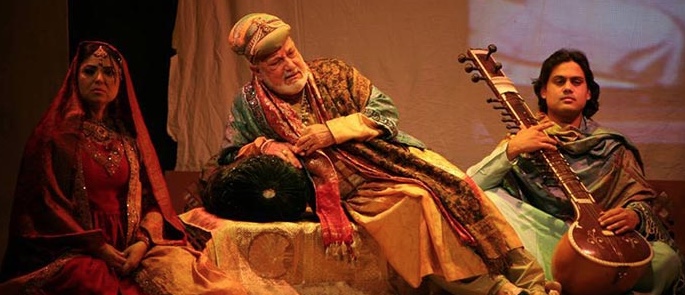
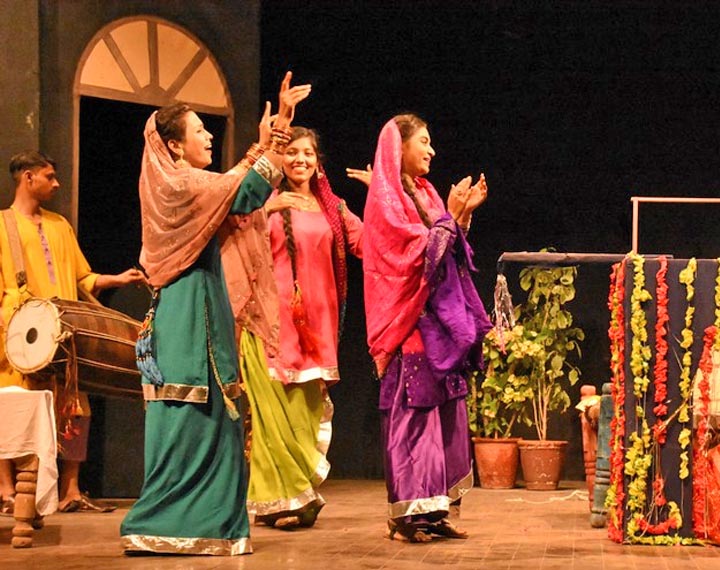
PNCA’s diverse divisions bring its mandate to life through dynamic programs that celebrate Pakistan’s multicultural tapestry. The Visual Arts Division houses the National Art Gallery, featuring 14 exhibition halls that showcase both heritage pieces and modern installations, often drawing international collaborations like photo exhibits from global partners. Meanwhile, the Performing Arts Division preserves intangible heritage via music festivals, dance performances, and theatre productions that highlight regional traditions from Sindh to Gilgit-Baltistan, including the beloved Puppet Theatre founded in 1975 for educational family shows. Complementing these are initiatives like children’s workshops and outreach events in partnership with provincial arts councils, which democratize access to culture and nurture new voices, ultimately fostering unity and pride in Pakistan’s artistic legacy.



 Own or work here?