

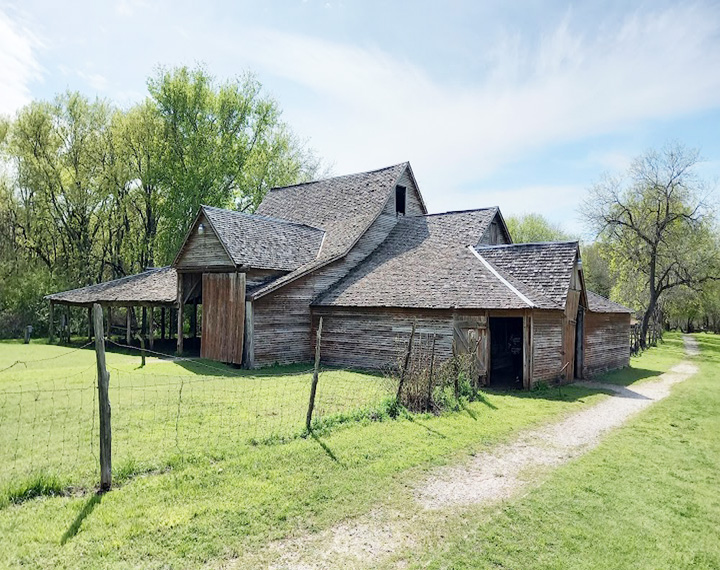
Nestled within the scenic expanse of Cedar Hill State Park near Dallas, the Penn Farm Agricultural History Center offers a captivating window into Texas’s agrarian past. This preserved historic site chronicles more than a century of American family farming, tracing its roots back to the mid-1800s when John Penn first settled the land. As visitors wander through the open-air museum, they can explore a remarkably intact collection of original structures, including hand-hewn barns, a historic farmhouse, granaries, and antique windmills. The site serves as a physical timeline of technological transition, illustrating how farming evolved from reliance on simple horse-drawn plows to the introduction of modern mechanized tractors.
The center provides an immersive educational experience that vividly contrasts the realities of nineteenth-century pioneer life with our contemporary urban existence. Informative markers and displays scattered throughout the farmstead explain the daily routines, struggles, and resourcefulness of the Penn family as they adapted to the challenging North Texas environment. Walking trails wind gracefully around the vintage machinery and weathered wooden buildings, allowing history buffs and casual hikers alike to step back in time. It stands as a unique cultural oasis where the rustic charm of old Texas is preserved just a short drive away from the bustling, modern Dallas-Fort Worth metroplex.
In addition to its historical significance, the Penn Farm Agricultural History Center highlights the deep connection between early agricultural practices and regional conservation. The surrounding landscape showcases the native tallgrass prairie and rolling hills that initially drew settlers to the region, offering a serene backdrop for educational field trips and family outings. By preserving these early structures and the land they sit on, the center ensures that the stories of grit, innovation, and rural community life are not lost to urban sprawl. It remains a peaceful, thought-provoking destination that honors the foundational role that agriculture played in shaping the economy and character of the Lone Star State.



 Own or work here?