

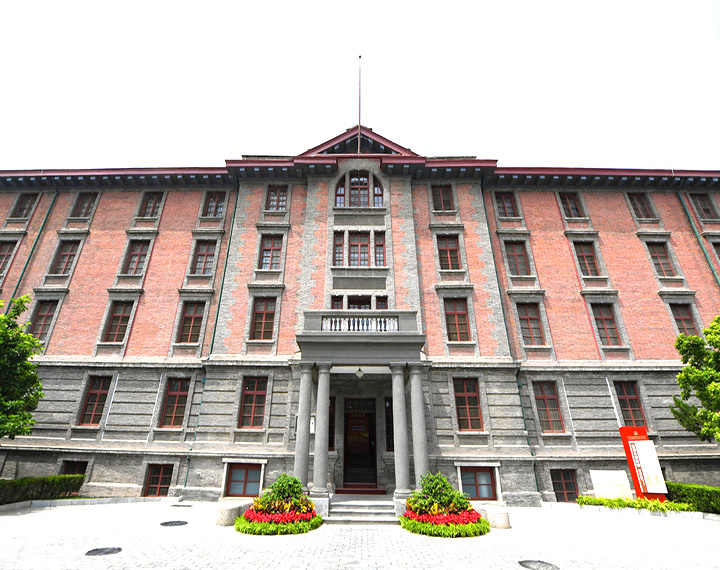
The Peking University Red Building in Beijing stands as a distinguished symbol of China’s academic heritage and modern intellectual awakening. Constructed in 1917, it is one of the oldest buildings on the Peking University campus and has witnessed more than a century of educational, cultural, and political developments. Its red brick façade, classical proportions, and traditional yet Western-influenced architectural details reflect the transitional period of early twentieth-century China, when the country was embracing modern education while preserving its cultural identity. The building has long served as a hub for teaching, scholarly discussion, and student activity, making it central to the university’s historic role in shaping China’s thinkers and leaders.
Historically, the Red Building holds deep cultural significance as a cradle of modern Chinese thought. It was at Peking University that many early twentieth-century intellectual movements, including the May Fourth Movement of 1919, took root, influencing literature, philosophy, and political activism throughout the nation. The building itself became a silent witness to debates on modernization, democracy, and national identity, hosting classrooms, lectures, and gatherings that shaped the ideas of generations. Its architecture, blending Chinese symbolism with Western academic styles, reflects the broader cultural dialogue of the era — a fusion of innovation, tradition, and aspiration that continues to define the university’s spirit.
For tourists, the Red Building offers a serene and inspiring glimpse into Beijing’s academic and cultural life. Nestled within the lush campus of Peking University, it is surrounded by tree-lined pathways, gardens, and historic lecture halls that invite quiet reflection and exploration. Visitors can stroll through the grounds, absorbing the scholarly atmosphere and imagining the debates and discussions that once animated its halls. The Red Building serves not only as an architectural landmark but also as a cultural and historical touchstone, offering insight into the evolution of modern Chinese education and the enduring legacy of one of the country’s most prestigious universities.



 Own or work here?