
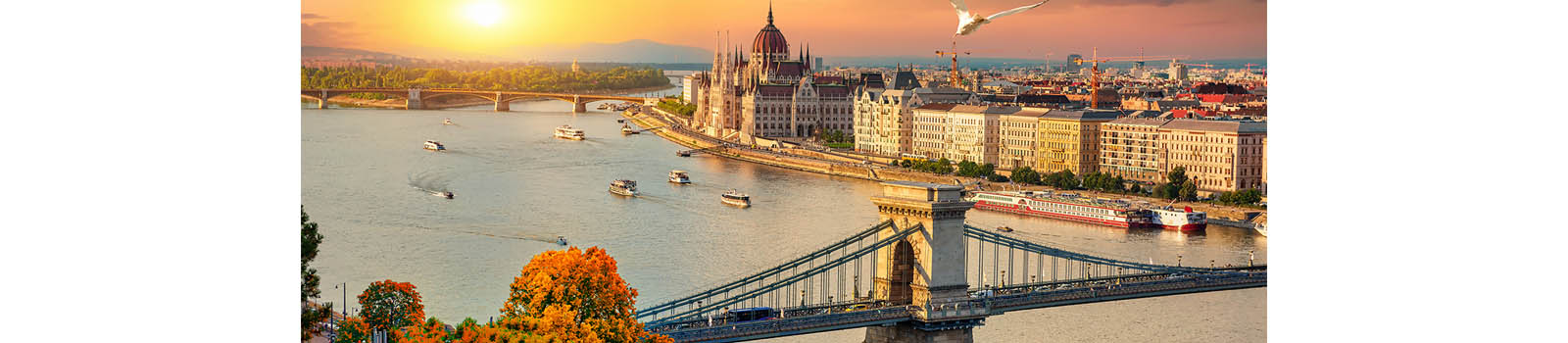
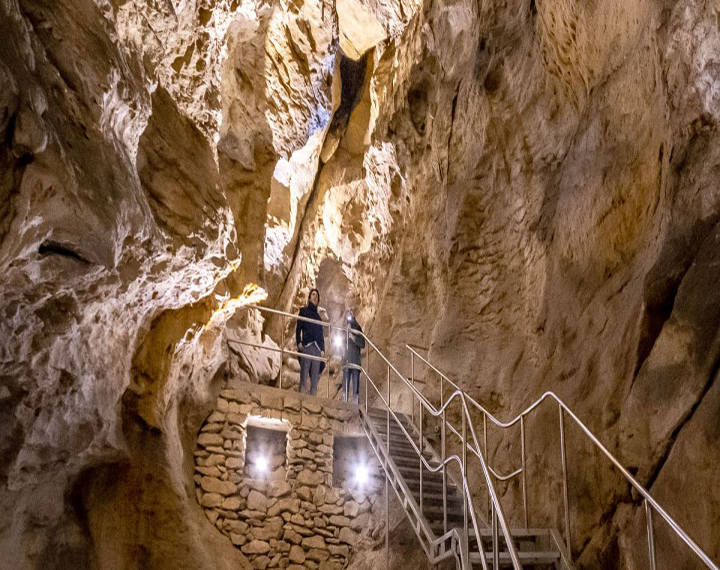
Deep beneath the rolling hills of Buda lies the Pálvölgyi Cave, the longest cave system in Hungary and a mesmerizing underground labyrinth that stretches for over thirty kilometers. Discovered by accident in 1904 during quarrying operations, this limestone cavern is renowned for its unique, narrow passages and dramatic vertical shifts. Unlike many other caves that feature vast, open halls, Pálvölgyi offers a more adventurous, intimate experience, characterized by its “dripstone” formations and steep staircases that lead visitors through a geological wonderland carved out by thermal waters millions of years ago.
The interior of the cave is a masterclass in natural sculpture, boasting an array of stunning stalactites and stalagmites that have grown over millennia. Visitors often marvel at the whimsical shapes of the rock formations, many of which have earned playful nicknames like “the Elephant” or “the Crocodile” due to their uncanny resemblance to animals and everyday objects. The cave maintains a constant, crisp temperature of 11°C (52°F) year-round, providing a refreshing escape from the city’s surface weather and creating a pristine environment where the glistening calcium carbonate crystals can be viewed in their raw, breathtaking state.
Exploring Pálvölgyi is as much a physical journey as it is a visual one, requiring a bit of agility to navigate the ladders and narrow crevices that define its most famous sections. It serves as a testament to the complex thermal karst system that honeycombs the earth beneath Budapest, a city famous for its waters both above and below ground. Whether you are a geology enthusiast or a curious traveler, the cave offers a profound sense of stillness and history, standing as a hidden subterranean cathedral that highlights the silent, powerful artistry of nature hidden just minutes away from the bustling capital.



 Own or work here?