
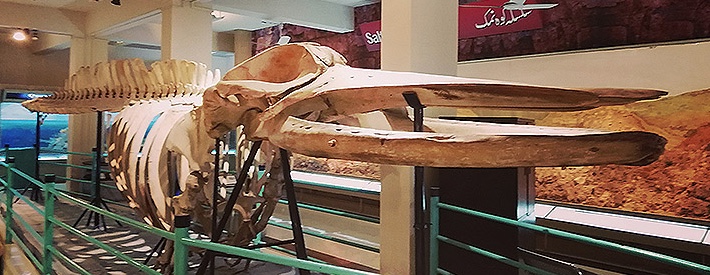

Opened in 1976, this natural history museum features exhibits on geology, ecology & paleontology. The Pakistan Museum of Natural History has four divisions namely Botanical Sciences, Earth Sciences, Zoological Sciences and Public Services. The first three divisions are engaged in the collection, preservation, identification and research activities pertaining to plants, fossils & minerals and animals resources of Pakistan respectively, while the latter is responsible for mass education and popularization of the natural history through various displays, exhibits and dioramas.
The Pakistan Museum of Natural History (PMNH), nestled at the foot of the picturesque Margalla Hills in Islamabad, stands as a magnificent tribute to the rich biodiversity and geological wonders of Pakistan. Established in 1976 under the Pakistan Science Foundation, this world-class institution houses four main divisions: the Natural History Museum, Earth Sciences, Botanical Gardens, and Zoological Gardens. Its striking modern architecture, with expansive glass facades and lush green surroundings, immediately captivates visitors, offering a serene yet intellectually stimulating environment that beautifully blends education with natural splendor.
Inside, the museum unfolds like a journey through time and nature. The dazzling displays feature life-sized dinosaur skeletons, including the impressive Baluchitherium—the largest land mammal that ever lived—alongside vibrant dioramas of Pakistan’s diverse ecosystems, from the icy peaks of the Karakoram to the mangrove forests of the Indus Delta. Precious gemstones, ancient fossils, and exquisitely preserved specimens of rare wildlife showcase millions of years of Earth’s history and the country’s extraordinary ecological wealth. Interactive exhibits and state-of-the-art virtual reality experiences make learning immersive, especially for young minds, turning complex scientific concepts into moments of awe and discovery.
Beyond its walls, the museum extends into sprawling botanical and zoological gardens that serve as living classrooms of conservation. Visitors stroll among native and exotic plant species, watch endangered animals in thoughtfully designed habitats, and reflect on Pakistan’s fragile natural heritage. With its blend of research, education, and public outreach, the Pakistan Museum of Natural History remains not just a repository of the past, but a vibrant beacon of hope for environmental awareness and scientific curiosity in the heart of the nation.



 Own or work here?