

Prepare to be thrilled by the historical and cultural significance of Pace Beijing, a landmark venue that placed China’s contemporary art scene squarely on the global map! Pace Gallery, a giant in the New York art world, made a monumental entry into Asia by opening its Beijing outpost in 2008, strategically timed to coincide with the Beijing Summer Olympics. This bold move instantly cemented Pace as the first major Manhattan-based gallery to establish a presence in the city, providing a critical bridge between Western blue-chip artists and the booming contemporary art landscape of China. By taking this step, Pace didn’t just open a gallery; it signaled a profound shift in the international art market’s view of Beijing as a cultural capital.
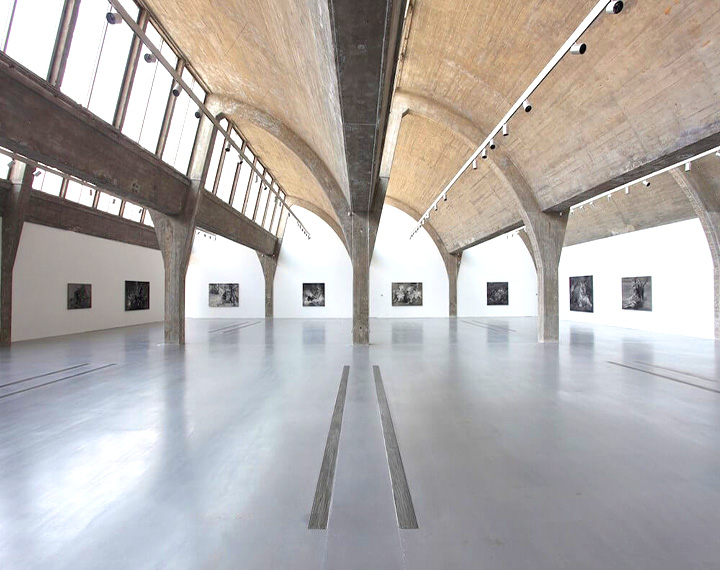
Pace Beijing is situated within the iconic 798 Art Zone, transforming a massive, 22,000-square-foot former munitions factory into a spectacular exhibition space. The building itself is a historical marvel, a 1950s Bauhaus-style structure—a relic of Sino-East German industrial cooperation—that was sensitively converted by renowned architect Richard Gluckman to preserve its immense industrial scale, high ceilings, and unique architectural character. This cavernous space is a tourist attraction in its own right, offering a dramatic backdrop for the art, allowing for the display of large-scale, ambitious installations and sculptures that would be impossible in a traditional gallery setting. The fusion of Cold War-era architecture with cutting-edge global art creates a powerful, thought-provoking cultural experience that reflects the historical layers of modern China.
Culturally and artistically, Pace Beijing became a crucial platform for both Chinese and international art heavyweights. The gallery championed some of China’s most celebrated contemporary artists, including the emotionally charged portraitist Zhang Xiaogang and the influential conceptual artist Yin Xiuzhen, helping to propel them to greater international recognition. Simultaneously, it introduced Chinese audiences to major Western figures like Chuck Close and Alex Katz, fostering a rich, two-way cultural exchange. While the Beijing location eventually closed in 2019, largely due to complications arising from the U.S.-China trade war, its 11-year run was an indelible chapter in the story of 798, securing its reputation as a sophisticated destination where industrial history and the vanguard of the global art world collided to create unforgettable artistic encounters.



 Own or work here?