
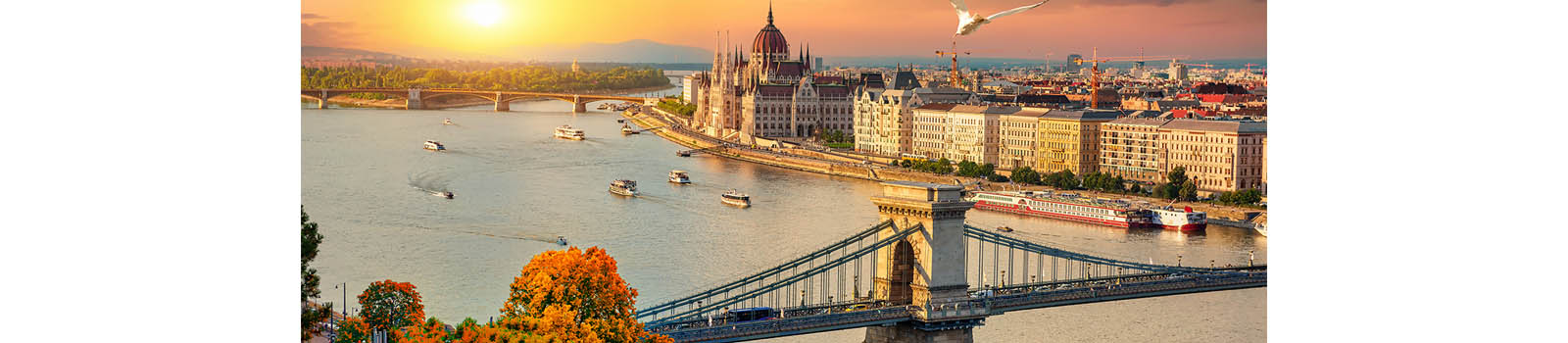
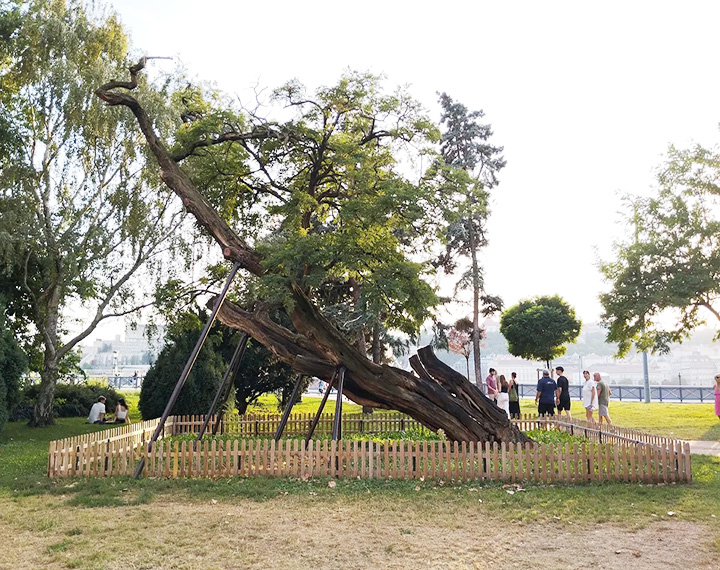
Nestled in the heart of the historic Tabán district, the Öreg Akác (Old Acacia) stands as a silent witness to the turbulent history of Budapest. This ancient tree, located on the slopes between the Buda Castle and the Danube, is celebrated as one of the oldest living organisms in the city, surviving the radical urban clearances of the 1930s that leveled the surrounding bohemian neighborhood. For locals and informed travelers alike, it serves as a living monument to a bygone era, marking the spot where narrow cobblestone streets and small taverns once defined the social fabric of old Buda.
The atmosphere surrounding the Öreg Akác is one of quiet contemplation and romantic nostalgia. Unlike the grand, high-traffic monuments found elsewhere in the capital, this site offers a more intimate experience where visitors can sit beneath its sprawling canopy and take in the gentle breeze coming off the river. Its gnarled trunk and weathered branches tell a story of resilience, having endured world wars and the changing tides of urban development. It is a favorite stop for those exploring the green spaces of the Tabán, providing a perfect foreground for views of the nearby Gellért Hill and the imposing architecture of the Royal Palace.
Visiting the Old Acacia provides a rare opportunity to connect with the natural heritage of Budapest within a deeply historical context. The area is particularly enchanting during the spring when the park returns to life, or in the autumn when the golden leaves reflect the amber hues of the setting sun over the Buda hills. As a landmark that bridges the gap between nature and history, the Öreg Akác remains a cherished hidden gem, inviting passersby to slow down and appreciate the enduring beauty that persists amidst the constant evolution of a modern European metropolis.



 Own or work here?