

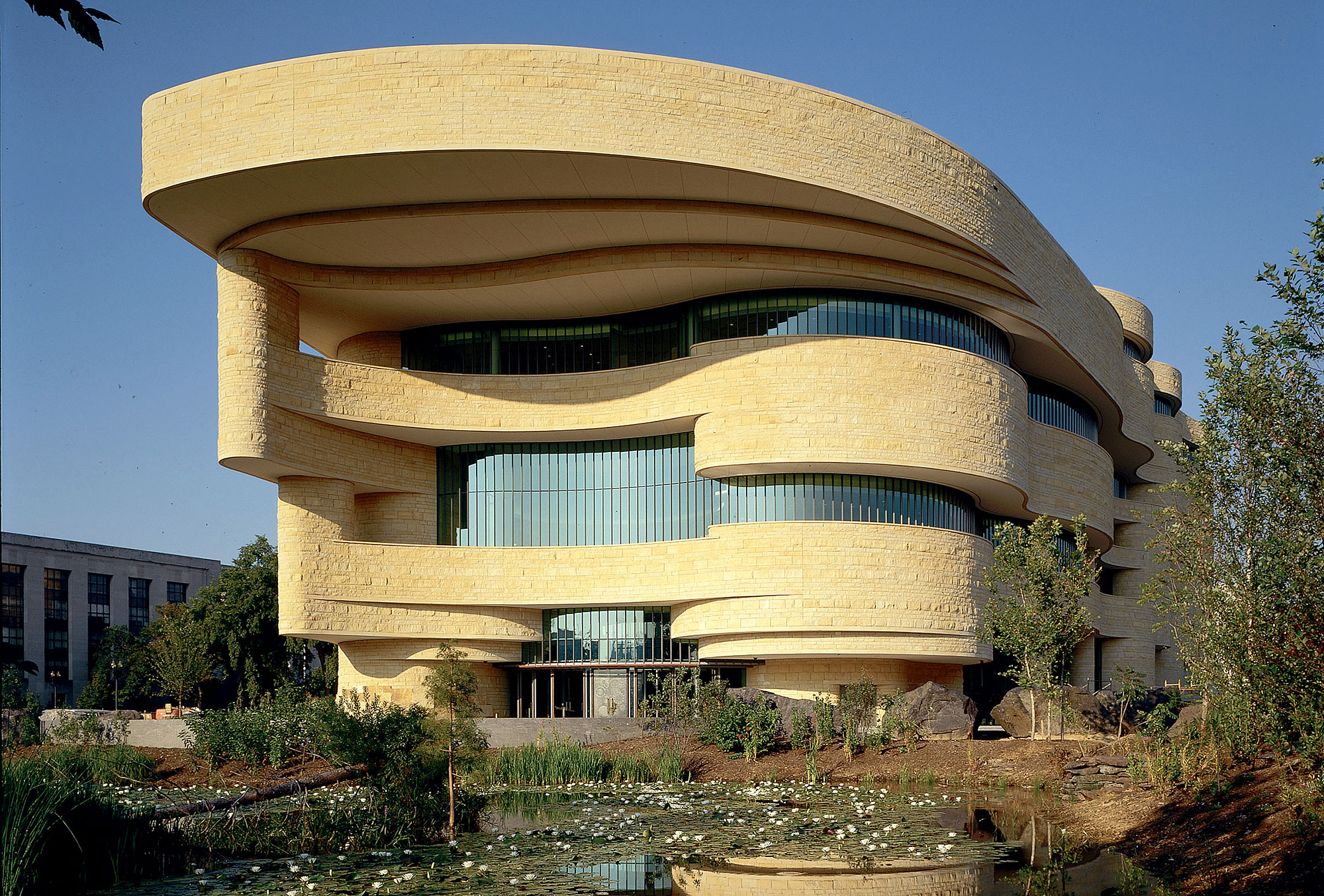
The National Museum of the American Indian cares for one of the world’s most expansive collections of Native objects, photographs, and media, covering the entire Western Hemisphere from the Arctic Circle to Tierra del Fuego. The museum’s sweeping curvilinear architecture, its indigenous landscaping, and its exhibitions, all designed in collaboration with tribes and communities, combine to give visitors from around the world the sense and spirit of Native America. The National Museum of the American Indian in New York, officially known as the George Gustav Heye Center, stands as a vital branch of the Smithsonian Institution, housed within the majestic Alexander Hamilton U.S.
Custom House at One Bowling Green in lower Manhattan. Originally founded in 1916 by philanthropist George Gustav Heye as the Museum of the American Indian, it merged with the Smithsonian in 1989, transforming into a dynamic space dedicated to showcasing the rich tapestry of Native American cultures across the Americas. This location serves not just as an exhibition hub but as a gateway for visitors to engage with indigenous histories that continue to shape contemporary society, blending architectural grandeur with profound cultural narratives.
At its core, the museum excels in mounting rotating exhibits that illuminate the diversity and resilience of Native peoples, from ancient artifacts to modern artistic expressions that challenge stereotypes and celebrate ongoing traditions. Past highlights include “Native New York,” which traces the indigenous roots of the city and state through stories of Haudenosaunee ironworkers and Lenape descendants, and “Identity by Design,” featuring women’s regalia that weaves personal and communal identities. These displays, often interactive and multimedia-driven, foster deeper understanding by highlighting how Native communities have influenced urban landscapes and cultural dialogues, making the museum an essential stop for those exploring the layered heritage of New York.
Beyond its exhibits, the George Gustav Heye Center plays a pivotal role in education and accessibility, offering programs that engage schools, families, and diverse audiences in conversations about sovereignty, innovation, and environmental stewardship rooted in indigenous knowledge. Wheelchair-accessible and equipped with resources for varied needs, it hosts virtual tours and youth initiatives like the 4 Directions Project, empowering Native and non-Native participants alike to create digital stories from the collection. In a city as bustling as New York, this museum quietly asserts that indigenous presence is not a relic of the past but a living force, inviting reflection on shared futures amid the shadows of skyscrapers.



 Own or work here?