

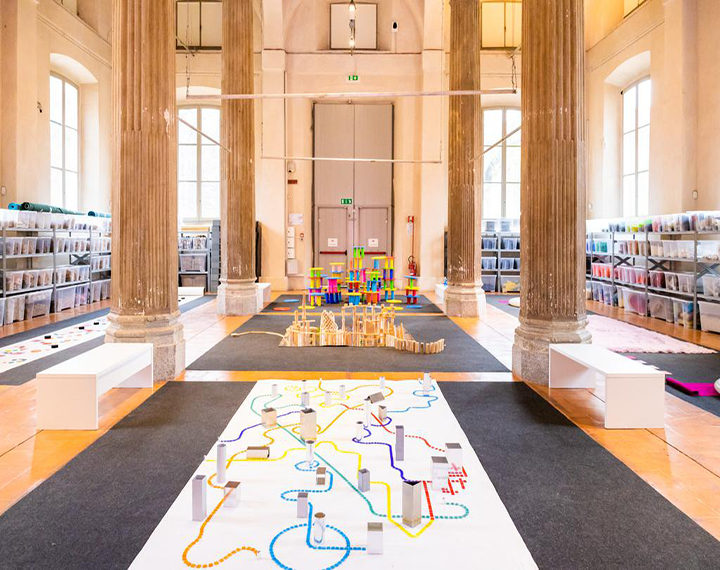
The MUBA – Museo dei Bambini Milano is a masterfully designed cultural center located within the Rotonda della Besana, serving as the definitive hub for non-formal education and creative play in the city. Housed in a stunning former church surrounded by a porticoed garden, the museum offers a sophisticated atmosphere of discovery, where high-end interactive exhibitions and workshops are tailored to specific age groups during the 2026 Winter Games. It is a soul-stirring destination that defines the “Made in Italy” commitment to pedagogy and design, providing an inviting landscape where children can explore, learn, and express their artistic soul in a truly unique architectural setting.
Informational: The museum functions as a vibrant ecosystem for experimental learning, featuring a masterfully curated program of rotating “exhibition-games” and workshops such as REMIDA Milano, which focuses on the creative reuse of industrial materials. It is a sophisticated hub for families and schools, offering activities with fixed entry times that ensure a high-end, uncrowded experience for all participants. The site is a masterclass in urban accessibility, situated in the Guastalla district near the “San Babila” M1 or “Crocetta” M3 metro stations, ensuring its triumphant presence is an essential and easily reached stop for families seeking a design-forward educational experience in the heart of Milan.
Cultural: As a cultural beacon, MUBA reflects the sophisticated spirit of Milanese innovation, acting as a stage where the city’s historic architecture is repurposed to serve the future of its youngest citizens. The museum’s soul is most energetic in its collaborative approach, bringing together designers, educators, and artists to create installations that witness the “Made in Italy” tradition of interdisciplinary excellence. This focus on the “culture of childhood” ensures the museum remains a vibrant part of global identity, where the dialogue between historical space and contemporary play is celebrated as a triumphant contribution to modern society.
Historical: The historical narrative of the site is one of triumphant transformation, as the 18th-century Rotonda della Besana—originally a cemetery and later a hospital church—was masterfully saved and restored to become a public park and cultural venue. It represents an energetic commitment to the city’s heritage, with MUBA moving into this majestic setting in 2014 to breathe new life into the ancient red-brick vaults. The space is a masterclass in architectural resilience, surviving the soul-stirring challenges of past centuries to emerge as a sanctuary of light and learning that bridges the gap between Baroque grandeur and the energetic curiosity of the modern child.
Touristic: For the traveler, MUBA offers an inviting and exciting refuge from the bustling city, where the close-up view of the Rotonda’s circular portico rewards the visitor with a profound sense of harmony and peace. It provides a design-forward perspective on family travel, moving beyond traditional sightseeing to offer a sophisticated, high-end experience that engages both children and adults. This triumphant destination is an essential part of the 2026 Games experience, providing a picturesque and soul-stirring sanctuary that captures the bold, imaginative, and resilient heart of the Milanese spirit.



 Own or work here?