
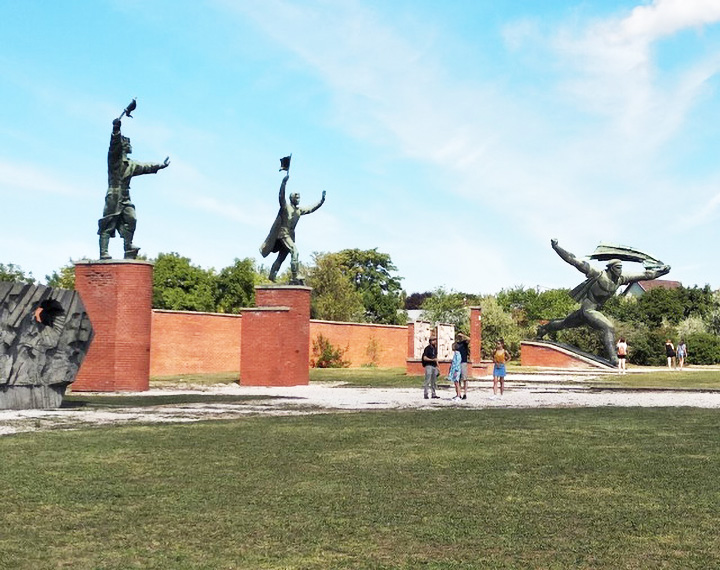
Witness the towering echoes of a fallen era in this dramatic open-air museum. Stands as one of the most unique and thought-provoking historical sites in Europe, serving as a final resting place for the colossal statues that once dominated the streets of Budapest during the communist era. Located on the southern outskirts of the city, the park is not a tribute to the past regime, but rather a monumental architectural project that invites reflection on the nature of dictatorship and the power of democracy. Walking through its grand, silent gates, visitors are confronted by the sheer scale of the propaganda art that once shaped the daily lives of millions, now stripped of its political authority and placed in a setting of stark, artistic contemplation.
Culturally, the park is a masterpiece of conceptual design, created by architect Ákos Eleőd to represent the complex relationship between memory and history. Rather than destroying the symbols of a painful past, Hungary chose to preserve them as educational tools, creating a space where the dramatic aesthetics of Socialist Realism can be studied without the weight of their original intent. This approach has turned the park into a vital center for understanding Central European identity, attracting scholars and artists who seek to explore how societies heal and remember after the fall of an iron curtain.
The history of the collection is as dramatic as the statues themselves, consisting of forty-two works that were removed from public squares across the capital following the political changes of 1989-90. From the massive boots of a toppled Stalin statue to the towering figures of Lenin and Marx, each piece tells a story of a specific moment in the twentieth century when art was used as a weapon of state ideology. The park’s centerpiece, “Witness Square,” features a replica of the grand staircase where the Stalin Monument once stood, serving as a powerful visual metaphor for the void left behind by the collapse of absolute power.
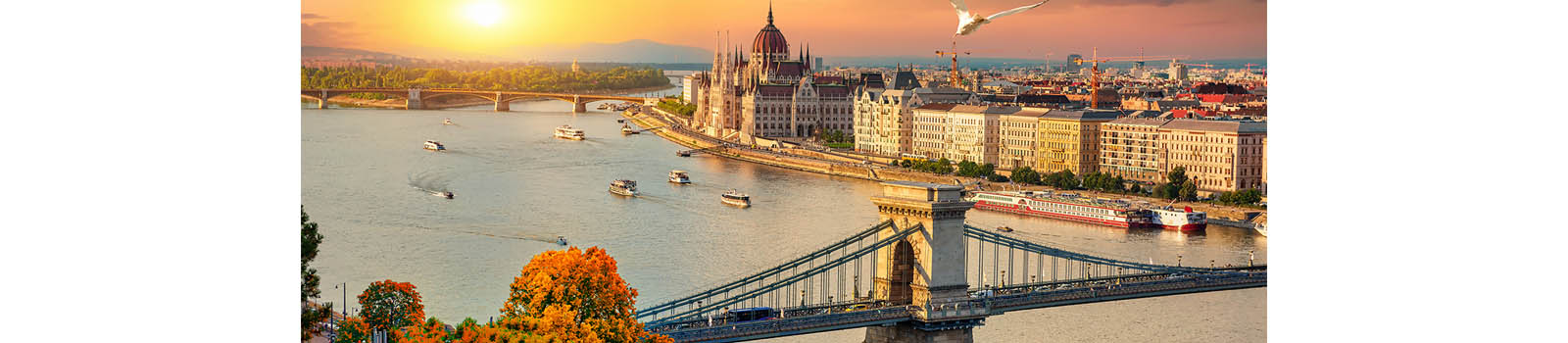
Tourists visiting the park will find it to be a hauntingly beautiful and highly photogenic destination that offers a stark contrast to the baroque and neoclassical splendor of central Budapest. While it requires a short journey from the city center, the experience of standing among these stone and bronze giants is widely considered an essential part of a comprehensive Hungarian itinerary. The park provides a quiet, almost surreal atmosphere where one can capture the imposing scale of the Cold War era while learning about the secret police and the lived reality of the “happiest barrack” behind the Iron Curtain.
The interior experience is divided into sections that guide visitors through the various themes of the era, from the “Grandstand” to the “Life behind the Iron Curtain” exhibition housed in a period-appropriate barracks building. Here, guests can listen to original radio broadcasts and view historical films that pull back the veil on the surveillance state and the struggle for freedom. It remains a poignant and intellectually stimulating site, reminding every visitor of the fragility of liberty and the enduring importance of historical truth in a setting that is both grand in scale and intimate in its emotional impact.



 Own or work here?