

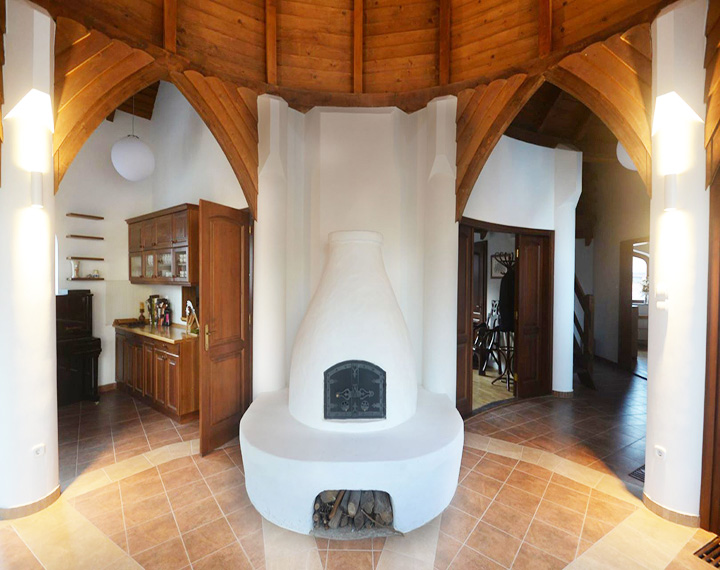
The Makovecz Archives serve as a sacred repository and a living museum dedicated to the life and work of Imre Makovecz, the father of Hungarian organic architecture. Situated in the tranquil surroundings of the Twelfth District, the archives are housed in the master’s former home and studio, radiating an atmosphere of deep intellectual and spiritual resonance. This inviting destination offers an uplifting perspective on how nature and timber can be transformed into a national architectural language, providing a motivating space for students, scholars, and admirers of his unique, anthropomorphic style.
The center acts as a vital cultural bridge, preserving the original drawings, models, and personal effects of a man who believed buildings should grow from the earth like living organisms. The ambiance is defined by the warm scent of wood and the intimate, creative clutter of a working atelier, fostering a sense of serene discovery for every visitor. By showcasing the intricate sketches of his most famous works, such as the Paks Church and the Seville Expo Pavilion, the institution encourages a spirited dialogue between traditional folk art and modern structural engineering, making the genius of Makovecz an accessible and inspiring force for the future.
Features an extensive collection of original hand-drawn blueprints and large-scale architectural models that reveal the complex geometry of his organic designs. The studio space remains preserved exactly as it was during his final years, offering a rare and personal glimpse into the daily environment of the great architect. Houses a specialized library and research center where visitors can explore the philosophical and anthroposophical roots of the organic movement. The garden surrounding the villa contains smaller structural experiments and sculptures that reflect the master’s obsession with natural forms and human connection.
Historically, the establishment of the archives represents a resilient effort by the Makovecz Imre Foundation to ensure that his monumental legacy remains a protected part of Hungary’s national heritage. The building itself is a beautiful example of his early residential work, characterized by its sweeping rooflines and the use of natural materials that harmonize with the Buda hills. Since opening to the public, it has successfully evolved into a vibrant cultural hub, hosting exhibitions and lectures that keep the spirit of organic architecture alive in the 21st century, honoring a man whose work became a symbol of national identity during the country’s transition to democracy.
Tourists and architectural enthusiasts find the archives to be an inspiring highlight of the city’s cultural map, offering a profound sense of the creative fire that shaped the modern Hungarian skyline. Its location in a quiet, leafy neighborhood provides a beautiful and motivating contrast to the grand stone boulevards of central Pest, rewarding those who seek it out with a deeper understanding of the country’s artistic soul. Experiencing the quiet power of these hallowed rooms provides a moving realization of the impact one individual can have on the physical and spiritual landscape of a nation, leaving every visitor with a lasting memory of the beauty and resilience inherent in organic design.



 Own or work here?