

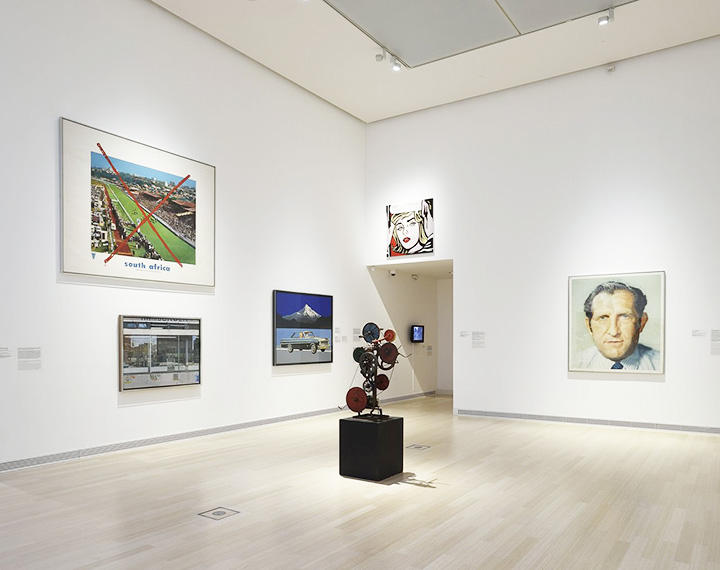
A glass-walled sanctuary of modern vision where global pop art meets the vibrant spirit of Central Europe. The Ludwig Museum – Museum of Contemporary Art is the premier institution for modern and contemporary art in Hungary, located within the architecturally stunning Palace of Arts (Müpa) on the Pest bank of the Danube. Established in 1989 through the generous donation of German collectors Peter and Irene Ludwig, it serves as a vital bridge between the artistic movements of the West and the unique experimental legacy of the former Eastern Bloc. The building itself is a masterpiece of light and space, designed by Gábor Zoboki to provide a neutral yet inspiring backdrop for the ever-evolving narratives of the global art scene.
Culturally, the Ludwig is more than a gallery; it is a dynamic laboratory for contemporary thought and social dialogue. Its location in the Millennial Cultural Center places it at the heart of Budapest’s modern rebirth, standing alongside the National Theatre as a symbol of the city’s forward-looking identity. The museum regularly hosts provocative temporary exhibitions that tackle global themes like technology, identity, and ecology, ensuring that it remains a relevant and vital participant in the international art discourse. It is a place where the “now” is constantly interrogated through the lens of visual beauty and conceptual depth.
* The museum’s educational center is a hub for creativity, offering workshops and guided tours that make complex contemporary concepts accessible to all ages.
* Acts as the coordinator for the Hungarian Pavilion at the Venice Biennale, representing the pinnacle of the nation’s contemporary artistic achievement.
* Boasts a specialized library and archives that serve as an essential resource for researchers and students of 20th and 21st-century art history.
* The interior galleries are designed with flexible partitions and soaring ceilings, allowing for the installation of massive sculptures and immersive new media works.
For tourists, the museum offers a sophisticated and visually stimulating experience that provides a refreshing contrast to the classical museums of the city center. A visit here is often paired with a concert at the Béla Bartók National Concert Hall, making it a perfect destination for a full day of cultural immersion. The riverside promenade outside offers spectacular views of the Rákóczi Bridge and the Buda hills, while the museum’s own large windows frequently frame the Danube as if it were a living piece of landscape art.
* Provides highly professional multi-language audio guides and digital catalogs that explain the context and techniques of the most challenging pieces.
* The museum shop is a destination in itself, featuring a curated selection of art books, designer home goods, and unique gifts created by local artists.
* Fully accessible with modern elevators and spacious galleries, ensuring a comfortable and barrier-free experience for every visitor.
* The surrounding Müpa complex offers excellent visitor services, including cloakrooms, information desks, and plenty of architectural details to admire.



 Own or work here?