
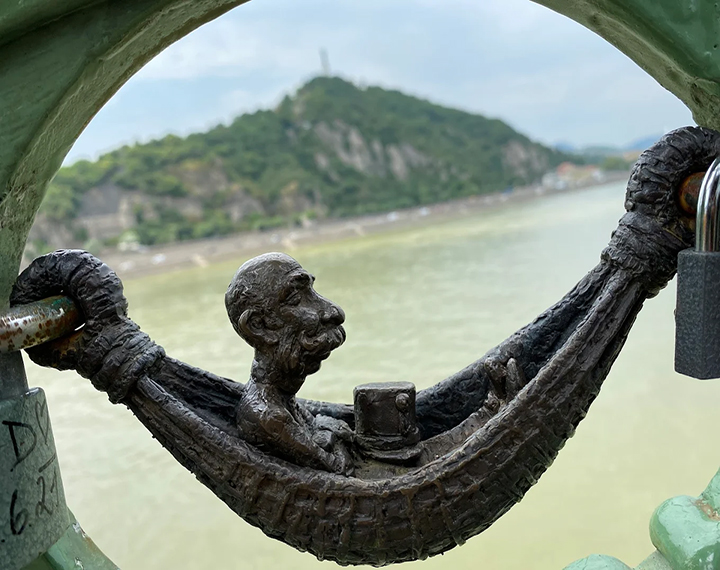
A whimsical bronze tribute to an emperor finding a moment of leisurely rest upon the iron curves of Liberty Bridge. The King Franz Joseph mini statue is a charming guerrilla sculpture created by the renowned Ukrainian-Hungarian artist Mihály Kolodko, hidden in plain sight on the Pest side of the Liberty Bridge. This tiny bronze figure depicts the former Austro-Hungarian Emperor in a surprisingly relatable and casual pose, reclining comfortably in a green hammock strung between the ornate iron bolts of the bridge’s structure. It serves as a playful artistic commentary on the history of the bridge itself, which was originally named after the monarch and inaugurated by him in 1896 during the grand Millennium celebrations.
The sculpture captures the Emperor not in his usual stern, military regalia, but in a state of tranquil relaxation, suggesting a whimsical escape from the heavy burdens of imperial rule. Kolodko’s choice to place him on the Liberty Bridge is a clever nod to the historical fact that Franz Joseph personally hammered the final silver rivet into the bridge’s ironwork. The miniature scale of the piece invites passersby to slow down and engage in a tactile treasure hunt, transforming a massive piece of Victorian engineering into an intimate and interactive gallery of modern street art.
Culturally, the statue represents the burgeoning movement of “mini-sculptures” that has redefined Budapest’s public art scene over the last decade. These small bronze interventions often address complex historical themes with a touch of wit and irony, allowing for a more approachable and humanized perspective on the city’s past. The Franz Joseph figure is a favorite among locals and art enthusiasts, symbolizing a shift from the era of monumental, untouchable statues to a more democratic and playful form of commemoration that celebrates the hidden details of urban life.
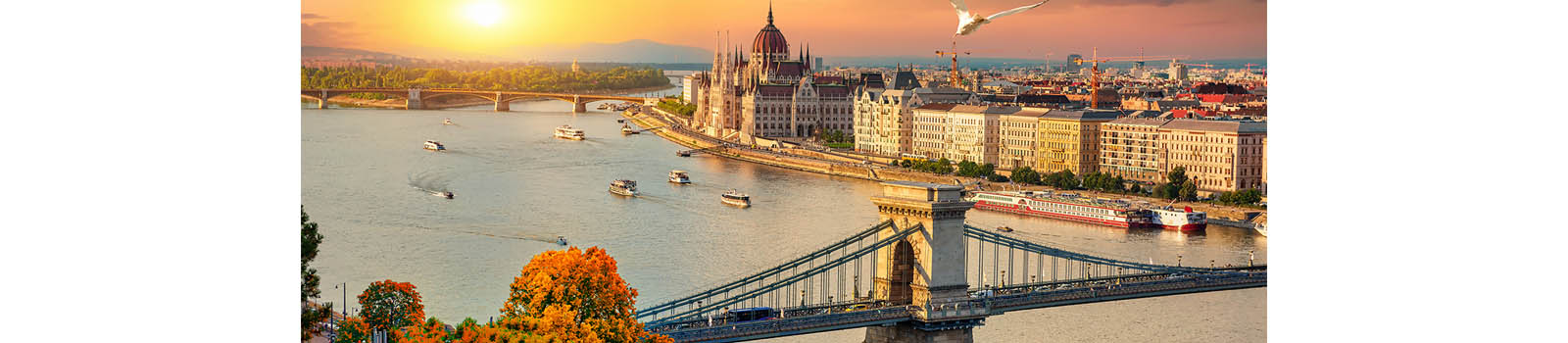
For tourists, hunting for the Kolodko miniatures has become a popular and uplifting way to explore the various districts of Budapest, with the Franz Joseph statue being one of the most iconic stops. Located on the northern side of the bridge’s Pest abutment, the statue offers a perfect photographic opportunity that contrasts the tiny emperor against the grand green pylons and the flowing Danube. It provides a delightful reason to linger on the bridge, encouraging travelers to appreciate the intricate Art Nouveau metalwork while enjoying the panoramic views of Gellért Hill and the Great Market Hall.
The atmosphere surrounding the mini statue is one of joyful discovery and lighthearted reverence, where the grandeur of the imperial past is softened by the artist’s imaginative touch. As the yellow trams rattle past and the river breezes drift through the bridge’s iron latticework, the sight of the reclining emperor brings a smile to those who manage to find him. It is a place that celebrates the power of small details to tell great stories, offering an inspiring reminder that history is not just found in massive monuments, but also in the quiet, whimsical corners of the city.



 Own or work here?