


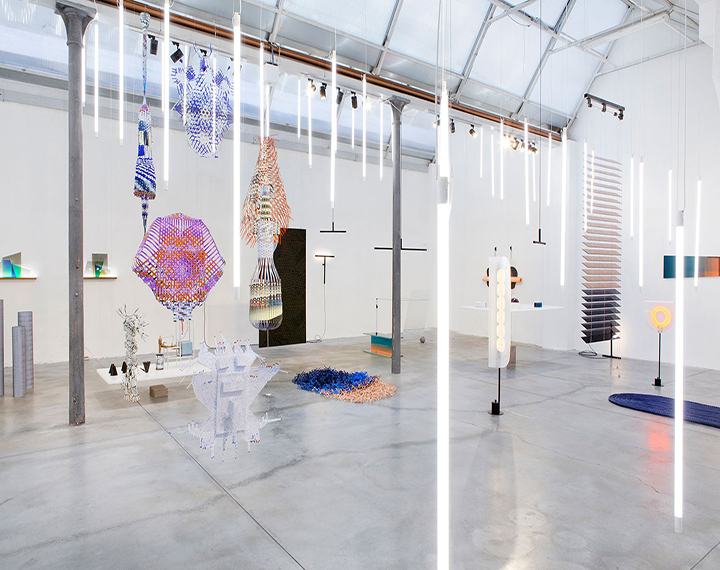
Isola Design District
The Isola Design District (often simply called Isola) has emerged as one of Milan’s most dynamic and rapidly evolving creative hubs, especially during Milan Design Week (also known as Fuorisalone or Salone del Mobile Fuorisalone). Located in the northern part of the city, the Isola neighborhood—once an industrial and working-class area—has transformed into a buzzing epicenter for contemporary design, street art, independent galleries, and innovative exhibitions.
Centered around streets like Via Giovanni Battista Sammartini, Via Savona (wait, more precisely Via Procaccini, Via Giosuè Carducci, Via Ceresio, and the area around the Garibaldi FS metro/Centrale station zone), Isola stands out for its grassroots, experimental spirit. Unlike the more polished Brera or the luxury-focused Tortona, Isola emphasizes independent designers, sustainable innovation, multidisciplinary collaborations, and a strong focus on humanity-centered creativity. It’s home to the annual Isola Design Festival, which typically runs parallel to Milan Design Week in April, turning the entire neighborhood into an open-air gallery with pop-up shows, installations, workshops, talks, and immersive experiences scattered across former factories, courtyards, rooftops, and public spaces.
What makes Isola particularly appealing is its authentic, lived-in energy: colorful street art covers many walls, hip cafés and craft breweries mix with design studios, and the district attracts a younger, international crowd of creatives, makers, and visitors seeking something beyond mainstream events. Key highlights during Design Week include group exhibitions in repurposed industrial buildings, sustainability-focused showcases, digital and interactive installations, and collaborations between global independent talents and local manufacturers. The platform Isola.design curates much of this, connecting designers worldwide and growing into a major force in the global design scene (with extensions even to Dubai).
Beyond Design Week, Isola remains a cool everyday neighborhood. You can explore standout spots like the Fondazione Feltrinelli (a striking modern building by Herzog & de Meuron), the picturesque Isola Pepe Verde community garden, trendy eateries along Via Giovanni da Procida or around Piazza Gae Aulenti (just south, blending into Porta Nuova’s skyscrapers), and a thriving aperitivo scene. It’s multicultural and inclusive, with excellent street food, international cuisines, and a relaxed vibe that contrasts with central Milan’s intensity.
Getting there is straightforward: take the M2 green metro line to Garibaldi FS or Moscova stations, or M5 lilac to Isola stop—it’s about 10-15 minutes from the city center or Milano Centrale station. If you’re in Milan around April (like for the 2026 edition), Isola is a must-visit for its fresh, forward-thinking take on design that feels genuinely innovative and community-driven. Even outside event season, wandering its streets offers a glimpse into Milan’s creative undercurrent that’s far removed from tourist crowds.
Rate us and Write a Review
- Closed Now09:00 - 18:00
- Monday09:00 - 18:00
- Tuesday09:00 - 18:00
- Wednesday09:00 - 18:00
- Thursday09:00 - 18:00
- Friday09:00 - 18:00
 Own or work here?
