

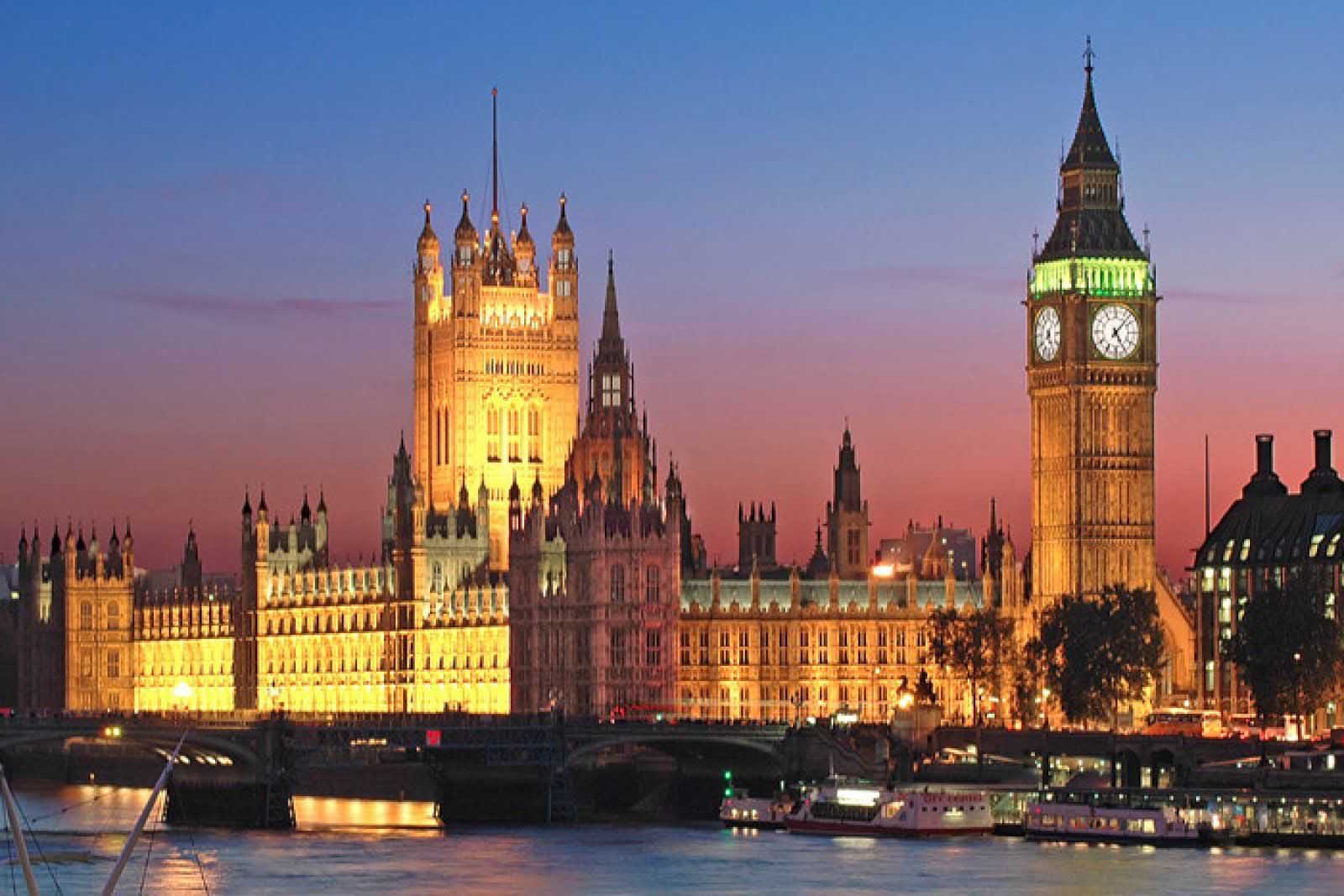
A symbol of democracy and heritage, inspiring governance through timeless architecture. The Houses of Parliament, also known as the Palace of Westminster, sit majestically on the banks of the River Thames in London. This UNESCO World Heritage Site is home to the UK’s two parliamentary chambers, the House of Commons and the House of Lords. Its history spans centuries, with the iconic Big Ben clock tower standing as one of the most recognized landmarks in the world. Visitors can take guided tours to explore the historic chambers, learn about the evolution of British democracy, and admire the striking Gothic Revival architecture that makes the palace a cultural treasure. Open to the public for tours and events, the Houses of Parliament welcome visitors most Saturdays and on weekdays when Parliament is not sitting, generally between 9:00 AM and 5:00 PM.
The history of the Houses of Parliament, formally known as the Palace of Westminster, stretches back nearly a thousand years. Originally built as a royal residence for Edward the Confessor in the 11th century, it became the seat of English governance when the first Parliament met there in 1295 under King Edward I. Over the centuries, the palace evolved from a medieval stronghold of kings to the central stage of political power in England, housing both the House of Commons and the House of Lords.
Much of the medieval structure was destroyed in the catastrophic fire of 1834, which left only Westminster Hall, the Cloisters, the Chapel of St Mary Undercroft, and the Jewel Tower intact. The rebuilding project that followed was led by architect Sir Charles Barry, with intricate Gothic Revival details added by Augustus Pugin. Their collaboration produced the grand structure we recognize today, completed in the mid-19th century, crowned by the world-famous clock tower now officially known as the Elizabeth Tower, which houses Big Ben.
Throughout its history, the Palace of Westminster has borne witness to some of the nation’s most defining moments, from the Gunpowder Plot of 1605 to historic debates that shaped the modern United Kingdom. Today, it remains not only a working parliament but also a symbol of democracy admired around the globe. Its architecture, ceremonies, and traditions connect the present with centuries of political heritage, ensuring the Houses of Parliament endure as both a functional and cultural landmark.



 Own or work here?