

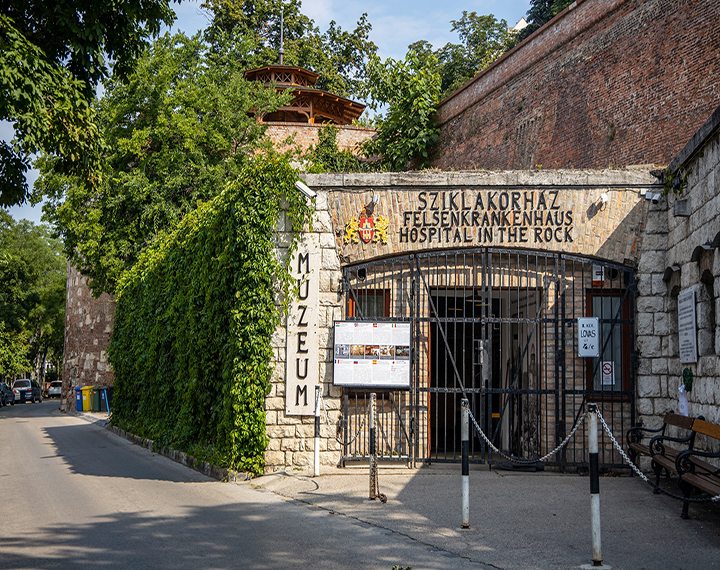
A subterranean journey through a hidden labyrinth of healing and survival deep within the Buda Castle hill. An extraordinary museum located in a natural cave system that was expanded into a secret emergency hospital and later a nuclear bunker. Originally opened in 1944 during the Siege of Budapest, the facility provided a safe haven for wounded soldiers and civilians while the city above was ravaged by war. Following the conflict, the site was upgraded into a top-secret nuclear shelter during the Cold War, remaining hidden from the public eye until its conversion into a museum in 2007.
The museum offers a deeply immersive experience, preserved exactly as it appeared during its years of operation, complete with original medical equipment and wax figures that recreate the intense atmosphere of the wartime wards. Visitors can explore the narrow corridors, operating theaters, and engine rooms that once hummed with the effort to save lives in total isolation. The ambiance is one of hushed, respectful awe, where the cool subterranean air and the mechanical echoes of the ventilation system remind every guest of the resilience and ingenuity of those who worked in the shadows.
Features over 200 life-sized wax figures in realistic dioramas that depict the daily struggles of doctors, nurses, and patients during the 1944 siege.
Houses a fully functional 1960s nuclear shelter section, complete with decontamination showers, specialized air filtration systems, and authentic civil defense gear. Displays a vast collection of original medical tools, stretchers, and vintage pharmaceutical supplies that were kept in readiness for decades.
Culturally, the Hospital in the Rock serves as a powerful memorial to human compassion and the civilian experience of total war. It highlights the heroic efforts of the volunteer nurses and the International Red Cross, telling a story of neutrality and healing amidst political turmoil. The site is a unique testament to the “dual history” of Budapest, representing both the tragic destruction of the World War II era and the silent, anxious preparations of the Cold War period, standing as a stark reminder of the importance of peace.
The site remains a protected monument that showcases the engineering feat of integrating modern life-support systems into ancient limestone caves. Regularly hosts educational programs that focus on the history of military medicine and the development of civil protection in Central Europe. Acts as a vital part of the Castle Hill cultural landscape, offering a darker, more realistic counterpoint to the romantic architecture of the Royal Palace. For tourists, the museum is one of the most highly-rated and unique attractions in the capital, providing a visceral and educational break from the traditional sightseeing path. Access is strictly through guided tours, which are available in multiple languages and lead guests through approximately one kilometer of the underground tunnels. Located on the western side of Castle Hill near the Vienna Gate, it is easily reached by a scenic walk through the historic residential streets of the first district, making it a memorable and thought-provoking addition to any visit to Buda.
Tours last approximately sixty minutes and provide expert historical context that brings the silent corridors to life with personal anecdotes and technical data.
The underground temperature remains a constant 18 degrees Celsius (64°F) year-round, making it a refreshing retreat during the hot summer months. The museum shop offers a selection of unique history books, Cold War memorabilia, and educational kits related to the site’s medical and military past. The experience concludes with an uplifting message of hope and reconciliation, as the final sections of the tour focus on the modern-day efforts of organizations like the Red Cross. While the history presented is somber, the dedication of the staff and the survival of the facility provide a beauti



 Own or work here?