

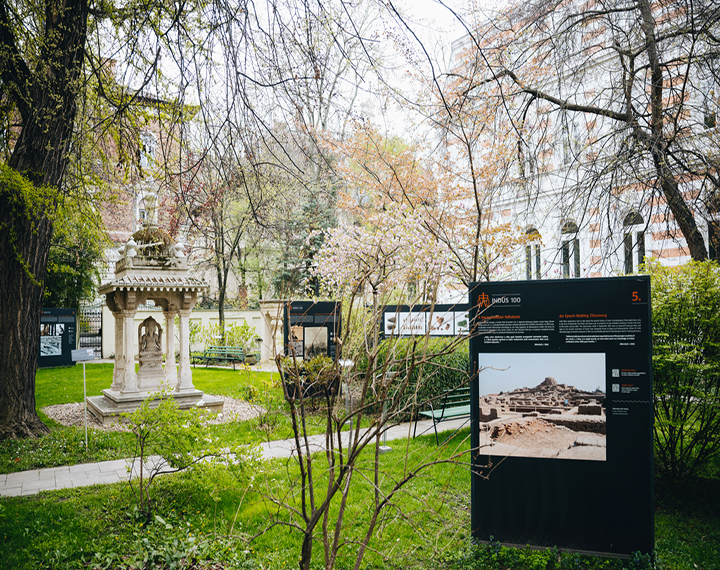
The Ferenc Hopp Museum of Asiatic Arts is a specialized cultural sanctuary located in the elegant villa district of the world-famous Andrassy Avenue. Established in 1919 through the generous bequest of the wealthy Hungarian optician and globetrotter Ferenc Hopp, the museum serves as the primary guardian of Hungary’s oriental art collection. After traveling the world five times, Hopp transformed his private neo-Renaissance residence into a public treasure house, filling its rooms and gardens with thousands of exquisite artifacts from India, China, Japan, Korea, and Southeast Asia that reflect his lifelong passion for the diverse aesthetics of the East.
Culturally, the museum acts as a vital bridge between the heart of Europe and the ancient civilizations of Asia, fostering a deep appreciation for cross-cultural artistic exchange. It honors the spirit of nineteenth-century Hungarian explorers and scholars who sought to understand the oriental roots of their own national identity. The site is a prestigious center for Asian studies, maintaining one of the most comprehensive libraries of oriental art in the region and collaborating with international institutions to present sophisticated thematic exhibitions. It remains a tranquil intellectual retreat, where the intricate philosophies of Buddhism and Taoism are expressed through the silent beauty of stone, bronze, and silk.
* Features a spectacular collection of Japanese netsuke and tsuba, showcasing the minute and masterful craftsmanship of the Edo and Meiji periods.
* Houses ancient Indian stone sculptures and delicate Chinese porcelains that trace the artistic evolution of the continent’s major dynasties.
* Contains rare Tibetan thangkas and ritual objects that provide a window into the spiritual traditions of the Himalayan highlands.
* The “Moon Gate” and the Japanese stone lanterns in the garden create an authentic eastern atmosphere that begins before you even enter the villa.
For tourists, the museum offers an intimate and peaceful alternative to the larger, more crowded state museums of the city center. Its location in the diplomatic quarter makes it a perfect stop during a walk from the Opera House toward Heroes’ Square or the City Park. The museum is exceptionally charming because of its human scale; unlike vast galleries, it feels like visiting the private study of an enlightened collector. The surrounding garden, filled with authentic Asian plants and sculptures, provides a meditative space to relax and reflect on the beauty of the exhibits while listening to the distant hum of the boulevard.
* Provides a highly curated experience where each thematic exhibition is designed to offer a deep dive into a specific region or artistic medium.
* The interior of the villa has been carefully preserved to maintain the elegant, turn-of-the-century atmosphere that Ferenc Hopp himself enjoyed.
* Highly accessible via the historic M1 “Millennium Underground” railway, with the Bajza Street station located just steps from the garden gate.
* Offers expert-led guided tours and specialized workshops that explore traditional Asian arts such as calligraphy and tea ceremonies.
The overall ambiance of the Ferenc Hopp Museum is one of uplifting tranquility and refined curiosity. As you wander past the stone Buddhas in the garden and the shimmering lacquerware in the galleries, the weight of the city fades, replaced by a sense of timelessness. It is a place that celebrates the universal language of beauty and the enduring human desire to explore and understand the “other,” offering every guest an inspiring and colorful journey into the artistic heart of the Orient.



 Own or work here?