
A solemn sanctuary of remembrance where architectural elegance honors the enduring memory of the lost.
A profound national institution located in the ninth district of Budapest, centered around the beautifully restored Páva Street Synagogue. Designed by architect István Mányi and inaugurated in 2004, the complex is a masterpiece of symbolic architecture, featuring asymmetrical walls and fractured spaces that evoke the displacement and trauma of the era. It serves as a comprehensive research and education center, dedicated to documenting the history of the Holocaust in Hungary and honoring the hundreds of thousands of victims through its emotive permanent and temporary exhibitions. Features the “From Deprivation of Rights to Genocide” exhibition, which utilizes interactive technology and personal artifacts to tell the chronological story of the Hungarian Holocaust.
Houses the Wall of Remembrance in the inner courtyard, an eight-meter-high glass wall inscribed with the names of over 500,000 identified victims.
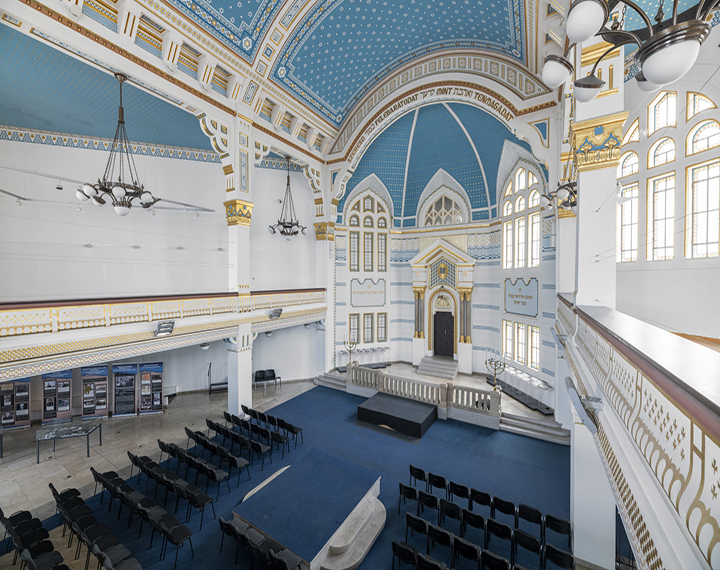
Incorporates the 1920s Páva Street Synagogue, a stunning example of eclectic Jewish architecture that has been restored to serve as a space for reflection and memorial services. Culturally, the center acts as a vital guardian of historical truth, fostering dialogue and education to prevent the recurrence of such tragedies. The juxtaposition of the historic synagogue with the modern, jarring angles of the new museum building creates a powerful visual metaphor for the rupture in Hungarian society. It is a place of deep scholarly significance, maintaining extensive archives and collaborating with international organizations like Yad Vashem to ensure that the individual stories of the victims and the “Righteous Among the Nations” are never forgotten. The Tower of Lost Communities stands as a striking vertical monument, listing the names of thousands of Hungarian settlements where Jewish life was extinguished.
Maintains a specialized library and digital database that allows visitors to research family histories and learn about the survivors’ testimonies.
Regularly hosts educational workshops for students and teachers, focusing on tolerance, human rights, and the ethical lessons of history.
For tourists, the memorial offers a deeply moving and essential experience that provides a necessary context for understanding the complex social fabric of modern Budapest. Located slightly away from the primary tourist trail, it offers a quiet and respectful environment for those wishing to pay their respects and engage with history on a personal level. The center is easily accessible via the M3 metro or the 4/6 tram, making it a manageable and highly recommended addition to any cultural itinerary focused on the city’s Jewish heritage.
Offers comprehensive audio guides in multiple languages that provide detailed historical background for each section of the exhibition.
The museum shop provides a curated selection of history books, memoirs, and educational materials related to the Holocaust and Jewish culture in Central Europe. Provides a barrier-free environment with modern elevators and ramps, ensuring that all visitors can navigate the symbolic and historical spaces comfortably. The ambiance of the Holocaust Memorial Center is one of hushed reverence and profound dignity. As you move from the sunlit courtyard into the dimly lit galleries, the silence is broken only by the soft echoes of history, creating a contemplative atmosphere that stays with you long after leaving. It is a place that celebrates the resilience of the human spirit and the sanctity of life, offering an uplifting experience through its commitment to truth, remembrance, and the pursuit of a more compassionate future.



 Own or work here?