

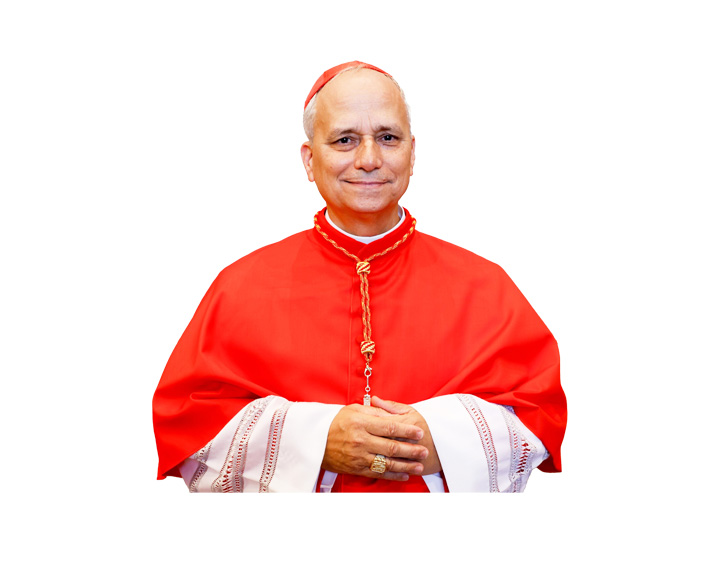
Pope Leo XIV: A Life of Service, Mission, and Quiet Strength. The election of Robert Francis Prevost as Pope Leo XIV on May 8, 2025, marked a historic moment for the Catholic Church, as he became the first American pontiff. His journey to the Chair of St. Peter is an inspiring testament to a life dedicated to service, deep faith, and a quiet, unassuming strength that has consistently placed the needs of others above his own.
Born Robert Francis Prevost on September 14, 1955, in Chicago, Illinois, Leo XIV grew up in a devout Catholic family, with his parents, Louis and Mildred, deeply involved in their local parish. His father, a World War II veteran and educator, and his mother, a librarian, instilled in him a love for learning and a strong moral compass. From an early age, it was evident that the young Robert had a calling to the priesthood, a path he explored through his studies at the Augustinian minor seminary.
His academic pursuits were as diverse as they were rigorous, earning a Bachelor of Science in Mathematics from Villanova University in 1977, followed by a Master of Divinity from Catholic Theological Union in Chicago. He then pursued advanced studies in Canon Law at the Pontifical University of St. Thomas Aquinas (Angelicum) in Rome, earning both a licentiate and a doctorate. This intellectual foundation would later prove invaluable in his administrative and pastoral roles.
However, it was his extensive missionary work in Peru that truly shaped the heart of Leo XIV. From 1985 to 1998, he served in various capacities, including parish pastor, seminary teacher, and diocesan official. He immersed himself in the lives of the people, understanding their struggles and working tirelessly to bring spiritual and practical aid. This hands-on experience in the mission field instilled in him a profound sense of humility, a deep compassion for the marginalized, and a practical approach to addressing the challenges facing the Church in diverse cultural contexts.
His leadership qualities quickly became apparent, leading to his election as Prior Provincial for the Augustinian Province of Our Mother of Good Counsel in Chicago in 1999. In 2001, he was elected Prior General of the worldwide Augustinian order, a role he held for an impressive 12 years. During this time, he traveled extensively, fostering unity and overseeing the order’s global mission, gaining a reputation as a capable administrator with a keen understanding of the complexities of the universal Church.
Upon his return to Peru in 2014, Pope Francis appointed him Apostolic Administrator, and then Bishop, of the Diocese of Chiclayo. Here, he became a stabilizing force during periods of significant political and religious disagreement, navigating sensitive issues with wisdom and grace. His commitment to protecting minors and vulnerable adults within the Church was evident in his work with the Peruvian Episcopal Conference.
In 2023, Pope Francis called him to Rome once more, appointing him Prefect of the Dicastery for Bishops and President of the Pontifical Commission for Latin America. This powerful position placed him at the heart of the Church’s governance, responsible for the selection of bishops worldwide. Later that year, he was elevated to the College of Cardinals, a testament to his immense experience and trusted judgment.
As Pope Leo XIV, he brings a unique blend of intellectual rigor, pastoral warmth, and a deep understanding of the global Church’s challenges. His emphasis on unity, a reflection of his episcopal motto, “In illo uno unum” (“In the one Christ we are one”), resonates deeply in a world often marked by division. He is known for his humility, his approachability, and his commitment to continuing the reforms initiated by his predecessor, Pope Francis, particularly on issues of social justice and environmental care.
Pope Leo XIV’s biography is an inspiring narrative of a man who, through quiet dedication and unwavering faith, has risen to lead one of the world’s largest religious institutions. His life of service, from the bustling streets of Chicago to the remote missions of Peru and the corridors of the Vatican, stands as a beacon of hope and a powerful reminder of the transformative power of a life lived for others.
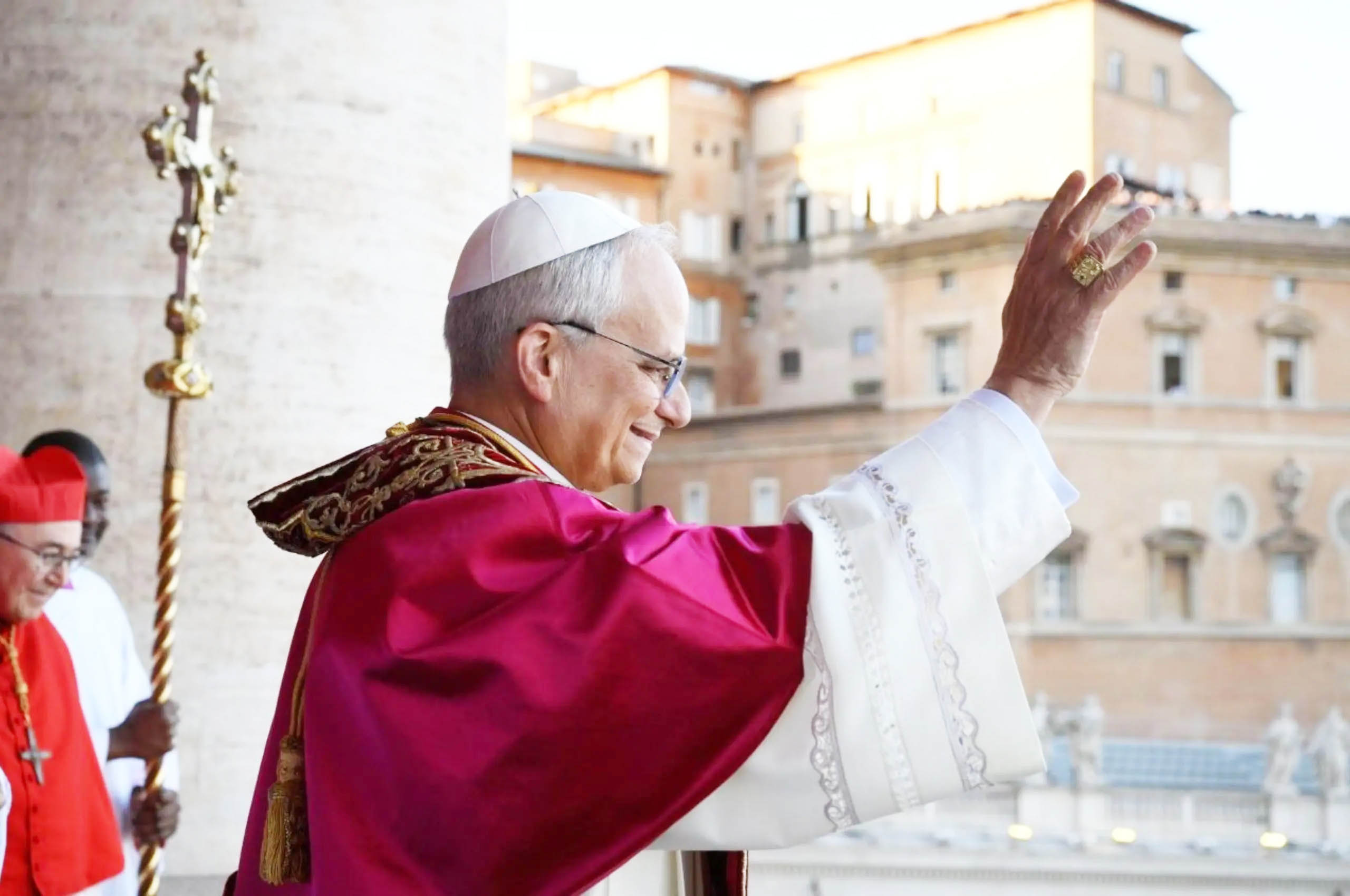
The Pope, also known as the Bishop of Rome, is the spiritual leader of the Roman Catholic Church and a central figure in Christianity. The papacy traces its origins to Saint Peter, one of Jesus Christ’s apostles, whom Catholics consider the first Pope. Over the centuries, the role of the Pope has evolved, becoming a cornerstone of religious authority, tradition, and global influence. As the head of the Catholic Church, the Pope provides guidance to over 1.3 billion Catholics worldwide and plays a significant role in international diplomacy and moral leadership.
Historically, the papacy began in the early Christian community with Peter’s leadership in Rome. Over time, the role expanded to include doctrinal authority, pastoral care, and governance of the Church. During the Middle Ages, Popes were also temporal rulers, governing territories known as the Papal States. Although the Papal States were dissolved in the 19th century, the Pope continues to be a sovereign figure as the head of Vatican City, the smallest independent state in the world.
The Pope’s primary functions include defining Church teachings, fostering unity among Catholics, and representing the Church in ecumenical and interfaith dialogue. He has the authority to appoint bishops, convene councils, and issue encyclicals—letters that address theological, social, and moral issues. The Pope also serves as a moral voice on global matters such as poverty, peace, human rights, and the environment. His role as the Vicar of Christ emphasizes his spiritual leadership and his mission to act as a bridge between God and humanity.
Pope Francis, the current Pope, was born Jorge Mario Bergoglio on December 17, 1936, in Buenos Aires, Argentina. He became the first Jesuit Pope, the first from the Americas, and the first to adopt the name Francis, symbolizing humility and a commitment to the poor. Before his election in 2013, he served as the Archbishop of Buenos Aires, known for his simplicity and dedication to social justice. As Pope, he has focused on making the Church more inclusive and compassionate, addressing critical issues like climate change, economic inequality, and the plight of migrants and refugees.
The Pope’s role extends beyond religious leadership, as he often mediates in conflicts and advocates for peace and understanding among nations. His global influence, rooted in centuries of tradition and faith, continues to shape the spiritual, moral, and cultural fabric of societies worldwide. Would you like to explore more about a specific Pope, historical events, or key teachings?



 Own or work here?