
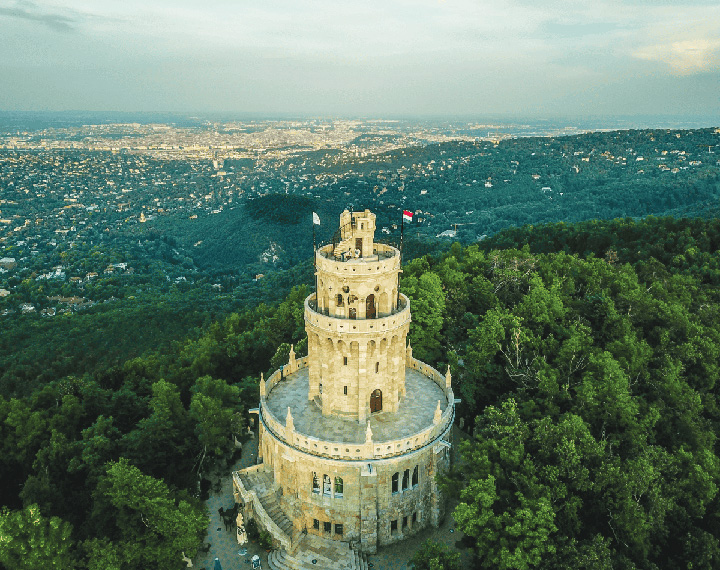
Ascend to the highest natural point in the city for a panoramic embrace of the Buda Hills. The Elizabeth LookoutClick to open side panel for more information stands as a majestic white limestone crown overlooking the Hungarian capital. Built in 1910 and officially opened a year later, this neo-Romanesque architectural masterpiece was designed by Frigyes Schulek, the visionary also responsible for the iconic Fisherman’s Bastion. The tower’s tiered, cylindrical form is an unmatched staple of the skyline, visible from large swaths of the city and offering those who reach its summit a breathtaking 360-degree vista that stretches as far as the Mátra Mountains on exceptionally clear days.
The tower holds deep cultural significance as a memorial to Empress Elisabeth of Austria, the beloved “Sisi,” who was known for her frequent visits to this very hilltop to admire the natural landscape. In its early years, the lookout was a pioneer of innovation, becoming the first building in Hungary to be permanently illuminated at night in 1926—predating the floodlighting of even the Parliament and Matthias Church. Today, it remains a cherished symbol of national affection for the late Queen, blending regal history with the accessible, democratic joy of outdoor recreation in the city’s greenest district.
Historically, the construction of the stone tower was a triumph of engineering and local fundraising, initiated by visionary hotelier Frigyes Glück to replace a decaying wooden platform from the 1880s. Because no road led to the summit at the time, builders had to install a temporary light rail system on the hillside to transport the massive blocks of haraszti limestone. Despite surviving the wars, the tower faced a structural threat during the communist era when a massive, heavy red star was mounted on its top, eventually requiring extensive restoration in the early 2000s to return the landmark to its original fairytale splendor.
For visitors, reaching the lookout is an adventure in itself, often involving a journey on the Zugliget Chairlift (Libegő) or the charming, narrow-gauge Children’s Railway. A short, steep hike through the lush Jánoshegy Forest leads to the base of the 23.5-meter tower, where a spiral staircase invites guests to climb several levels of viewing terraces. The surrounding Normafa park area serves as a popular starting point for these excursions, offering a tranquil retreat where the scent of pine and the sound of birdsong provide a refreshing contrast to the bustling city center below.
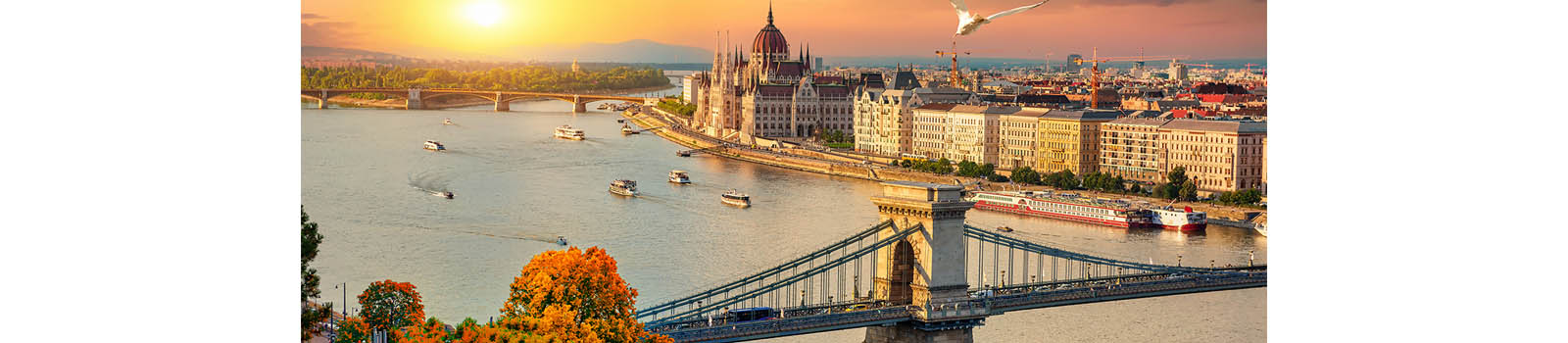
The experience of standing atop the highest terrace is one of profound perspective, where the Danube appears as a shimmering ribbon winding between the historic rooftops of Buda and Pest. The interior of the tower features a small café and a series of informative plaques that detail the site’s storied past, including its brief tenure as a nationalized restaurant in the 1940s. It remains a must-visit destination for photographers and nature enthusiasts alike, providing a serene vantage point from which to appreciate the grand scale and enduring beauty of the Hungarian landscape.



 Own or work here?