

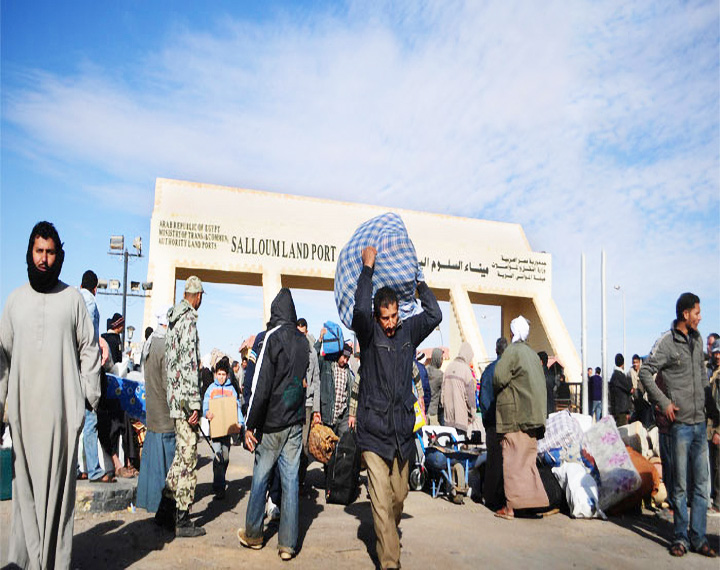
The Egypt-Libya border crossing at Sollum on the Egyptian side and Musaid on the Libyan side serves as the primary official land gateway connecting the two neighboring countries. Located along the Mediterranean coastal route, it lies approximately 225 kilometers west of Marsa Matrouh in Egypt and about 150 kilometers east of Tobruk in Libya. This crossing handles significant passenger traffic, commercial goods, and labor movement, playing a vital role in regional trade and travel despite occasional closures or restrictions due to security and political developments.
Travelers at the Sollum-Musaid border often experience a bustling yet bureaucratic environment, with procedures involving passport control, customs inspections, and vehicle checks on both sides. The area features basic facilities for waiting and processing, though conditions can vary based on daily traffic volume and bilateral relations. It is especially important for Egyptian workers heading to Libya and Libyan families or traders visiting Egypt, making it a key point for cross-border economic and social exchanges.
Security remains a priority at this frontier, with both nations maintaining presence to manage migration flows and prevent irregular crossings. The border has historically witnessed periods of high activity during regional events, serving as a lifeline for people and commerce while reflecting the complex dynamics between Egypt and Libya. Proper documentation and awareness of current entry requirements are essential for a smooth passage through this strategic crossing.



 Own or work here?