
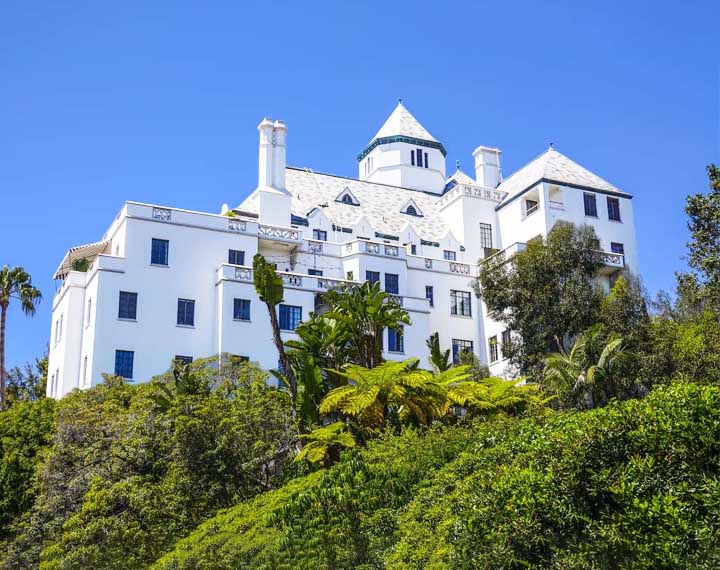
Perched on a hill overlooking the shimmering lights of the Sunset Strip, the Chateau Marmont stands as an enduring monument to Hollywood’s most resilient and creative spirits. Since its doors first opened in 1929, this “castle on the hill” has been a sanctuary where the world’s most iconic personalities come to disappear, reinvent themselves, and create history. Modeled after the royal Château d’Amboise in France, the hotel exudes an atmosphere of timeless elegance and profound discretion, offering a “home away from home” for those who shape global culture. For any dreamer arriving in Los Angeles, the Chateau serves as a powerful motivator—a reminder that in a city built on illusions, there exists a physical fortress where authenticity, privacy, and artistic genius are the ultimate currency.
Culturally, the Chateau is far more than a luxury hotel; it is a “living archive” of the human experience in all its glory and complexity. Its thick, soundproofed walls have witnessed the birth of classic screenplays, the composition of legendary rock anthems, and the intimate gatherings of every generation of the Hollywood elite. From Greta Garbo’s celebrated solitude to the modern-day creative sessions of stars like Lady Gaga and Lana Del Rey, the hotel fosters an environment of radical freedom. Its refusal to conform to fleeting trends and its strict “no-photography” policy in public areas preserve a level of mystery that is increasingly rare in the digital age, making it the definitive cultural salon for the 21st century.
The historical trajectory of the Chateau is a saga of survival and evolution, beginning with its origins as a high-end apartment complex designed to be Los Angeles’ first earthquake-proof building. After the Great Depression necessitated its conversion into a hotel, it quickly became a haven for those who sought an alternative to the rigid studio-system hotels of the era. Notably, under the ownership of Erwin Brettauer in the 1940s, it broke the long-standing “color line” of Hollywood by openly welcoming Black guests like Sidney Poitier and Duke Ellington. In 2026, as the hotel approaches its centenary in 2029, it remains under the stewardship of André Balazs, who has painstakingly preserved its “shabby-chic” soul while ensuring it remains the primary stage for the city’s most prestigious post-award show celebrations.
For the modern traveler, a visit to the Chateau Marmont is an immersive journey through the layers of cinematic and musical mythology. Whether sitting in the dim, velvet-clad lobby or enjoying a quiet meal in the lush, ivy-covered garden courtyard, guests can feel the “creative electricity” that has attracted everyone from Jim Morrison to Sofia Coppola, who famously filmed Somewhere within its suites. While it maintains an aura of exclusivity, the Chateau remains an essential “touristic” landmark of the Sunset Strip, inviting visitors to admire its Gothic-inspired turrets and arched windows from Marmont Lane. Engaging with the Chateau in 2026 means stepping into a parallel version of Hollywood—a place where the past and future of the arts coexist in perfect, sophisticated harmony.
The Chateau Marmont is a legendary sanctuary of privacy and creativity, offering an experience that feels less like a hotel and more like a private, European-style estate hidden in the heart of the Sunset Strip. The is a stylish and contemporary boutique hotel that seamlessly blends retro charm with modern luxury. Nestled just steps away from the upscale shops and galleries of the Sunset Strip, the hotel features guest rooms with a distinct creative flair, including record players and a curated selection of vinyl. The atmosphere is undeniably cool and sophisticated, making it a favorite for travelers seeking a unique and personalized stay. The hotel serves as a vibrant social hub, featuring an on-site restaurant and a stylish garden. The design-forward lobby and common areas are filled with local art and industrial accents, creating a space that feels both intimate and energetic. Whether you’re enjoying a craft cocktail at the bar or relaxing in your masterfully designed room, the Chateau offers an unforgettable Los Angeles experience.
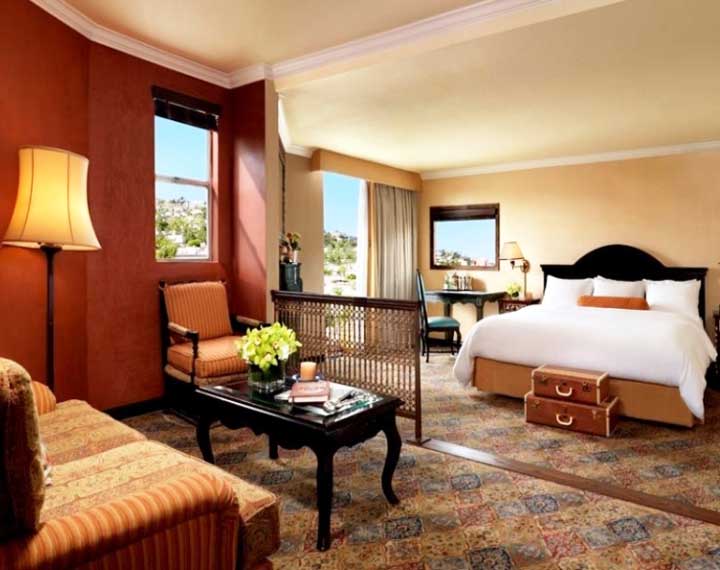
The accommodations at are celebrated for their “shabby-chic” elegance, maintaining a residential feel that prioritizes comfort and history over sterile modernism. Each room and bungalow serves as a private retreat where the thick walls have shielded decades of Hollywood legends.
Rooms feature a mix of mid-century furniture, vintage lighting, and high-quality linens that evoke a sense of Old World glamour.
Many suites include fully equipped kitchens and formal dining areas, allowing for the long-term stays the hotel is famous for.
The secluded bungalows and cottages offer private entrances and lush patios, providing the ultimate level of discretion.
The first paragraph must include the type of cuisine, the ambiance, and any Michelin stars. The serves classic American and European bistro-inspired cuisine in an ambiance that is unrivaled for its romantic, ivy-clad charm, though it does not currently hold a Michelin star. The dining experience is centered around the Terrace and the indoor dining room, where the light filters through leaded glass windows and the sound of the fountain provides a soothing backdrop.
The menu focuses on high-quality, seasonal ingredients, featuring signature dishes like the Chateau Burger, Arancini, and fresh seafood pastas.
Service is famously professional and understated, catering to a clientele that values quiet efficiency.
The garden terrace is widely considered one of the most beautiful and atmospheric outdoor dining spots in Los Angeles.
The and the lobby lounge provide an inviting ambiance that feels like a private club for the global creative elite. It is the perfect setting for deep conversation and world-class mixology, where the lighting is always low and the atmosphere is perpetually charged with “creative electricity.”
The cocktail program features masterfully executed classics and inventive seasonal drinks using house-made infusions.
The plush velvet seating and dark wood accents create a cozy, sophisticated environment for evening drinks.
It is a premier spot for celebrity sightings and industry power-meetings, maintained by a strict policy of guest privacy.
Entertainment at the is defined by its exclusivity and spontaneous nature, often revolving around high-profile private events and post-awards show celebrations. While it is not a traditional nightclub, its “Entertainment Nights” are legendary for their intimacy and star power.
The hotel frequently hosts official after-parties for the Oscars and Golden Globes, transforming the common areas into the city’s most prestigious dance floors.
Live musical performances often occur spontaneously in the lobby or during private salon events hosted by the artistic community.
The “Dance Nights” here are more about private revelry in the bungalows or organized elite gatherings than a public club scene



 Own or work here?