

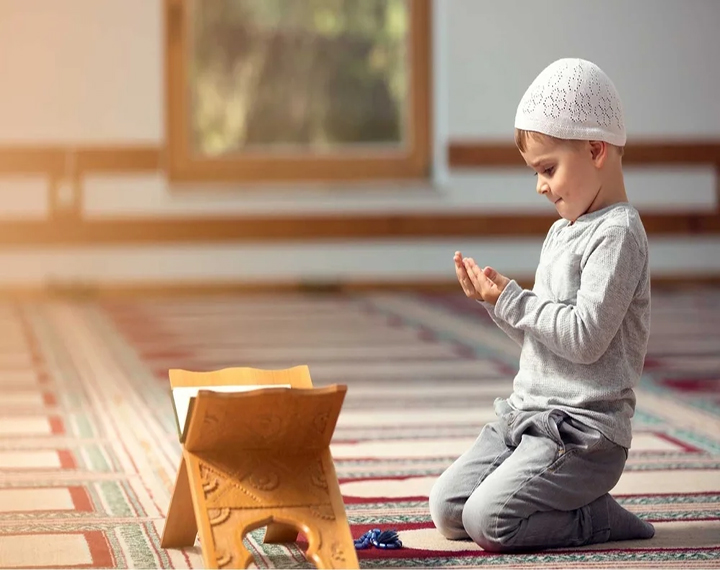
The Centro Educativo de la Comunidad Musulmana A.C., commonly referred to as the Polanco Mosque, is one of the most recognized Islamic centers in Mexico City. Located in the Anzures/Polanco area, this mosque serves as a community hub and place of worship for the local Muslim population and visitors. It hosts regular prayers and educational activities and stands out because purpose‑built, traditional mosques are relatively rare in Mexico City.
The Centro Educativo de la Comunidad Musulmana, AC, popularly known as the Mezquita de Polanco, stands as a vital cultural and spiritual landmark in the heart of Mexico City. Located in the upscale Polanco neighborhood, this institution serves as one of the primary gathering points for Muslims living in and visiting the Mexican capital. Since its establishment, it has provided a dedicated space for congregational prayers, Friday sermons, and Islamic festivities, bridging the gap between diverse expatriate communities and local Mexican reverts. The architecture and serene atmosphere of the center offer a peaceful sanctuary amidst the bustling energy of the metropolis, making it a cornerstone of religious life for the local Ummah.
Beyond its role as a house of worship, the center functions as a dynamic educational and cultural hub dedicated to fostering mutual understanding. It plays a crucial part in dispelling misconceptions about Islam by opening its doors to the wider Mexican public for academic dialogues, guided tours, and interfaith initiatives. The institution offers comprehensive Arabic language classes, Quranic studies, and lectures on Islamic history and theology, catering to both community members seeking to deepen their faith and curious minds eager to learn about Islamic traditions. By translating religious texts and educational materials into Spanish, the center ensures that the teachings are accessible to the local population, thereby promoting a harmonious multicultural environment.
The Mezquita de Polanco also excels in its community outreach and social welfare programs, embodying the Islamic principles of charity and compassion. It frequently organizes charitable drives, provides support to those in need, and hosts communal meals, particularly during the holy month of Ramadan when people from all walks of life gather to break their fast. Through these philanthropic efforts and its active engagement in local civic life, the center has successfully integrated into the fabric of Mexico City. It stands not only as a symbol of religious freedom and diversity in Mexico but also as a welcoming beacon of community spirit, education, and peaceful coexistence.



 Own or work here?