

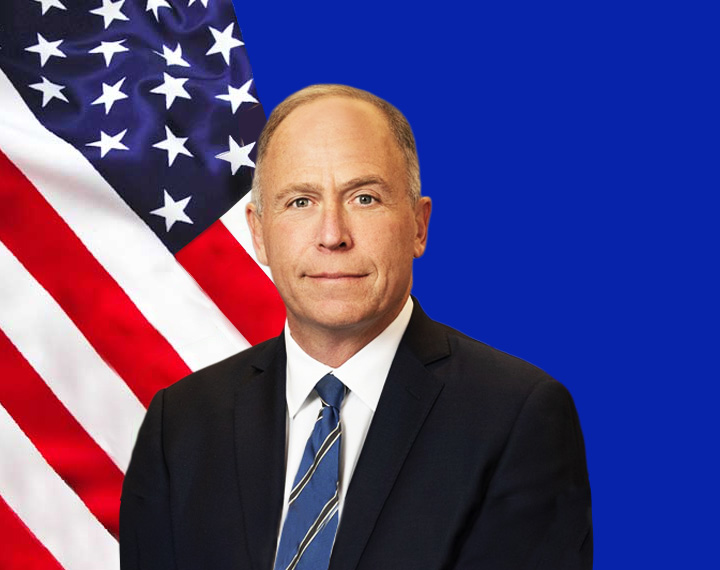
Brian Schwalb is a visionary leader and a third-generation Washingtonian whose life’s work is a testament to the power of using the law as a vehicle for service and equity. As the second independently elected Attorney General for the District of Columbia, he has redefined the role as one of deep community connection and relentless advocacy. His journey from Duke University and Harvard Law School to the highest levels of the U.S. Department of Justice and top leadership in private practice reflects a lifelong pursuit of excellence. His career is motivated by a simple yet profound philosophy: the law must work to make the community safer, healthier, and more equitable for every individual who lives and works within it.
The cultural impact of Schwalb’s leadership is rooted in his “Four Pillars” of governance: prioritizing public safety, promoting equity, standing up for democratic values, and maintaining institutional excellence. He has fostered a culture of “listening twice as much as talking,” a piece of advice from his father that he has carried into every community meeting and policy decision. By championing programs like “Cure the Streets,” a public-health approach to violence interruption, and the “Right Direction Awards,” which celebrate the resilience of D.C. youth, he has shifted the local judicial culture from one of pure prosecution to one of holistic empowerment and trauma-informed accountability.
Historically, Brian Schwalb’s tenure represents a critical chapter in the District’s ongoing struggle for autonomy and “Home Rule.” He has been a fierce defender of the city’s self-governance, notably filing historic suits to protect District residents from federal overreach and fighting for environmental justice. Under his guidance, the Office of the Attorney General (OAG) has achieved unprecedented success, securing nearly a billion dollars in savings and benefits for the District in a single year. His historical legacy is defined by his commitment to dismantling systemic inequities—whether through record-breaking wage theft settlements for workers or historic litigation against “slumlords” to preserve affordable housing.
For those interested in the civic heart of Washington, D.C., Brian Schwalb represents the vanguard of local justice. His office, situated in the bustling judicial plaza of Judiciary Square, is a point of interest for anyone looking to understand how a modern city balances high-stakes litigation with grassroots community support. Visitors can observe the tangible results of his advocacy in the safer streets and protected rights of District residents. For students of law and politics, his biography offers a motivating example of how one can transition from an elite legal background to a role that is profoundly and purposefully “of the people,” making him a key figure in the narrative of contemporary American justice.
The Office of the Attorney General (OAG) for the District of Columbia serves as the cornerstone of local justice, operating as the chief legal office for the nation’s capital. Unlike many other jurisdictions, the Attorney General for D.C. is an independently elected official, a role that ensures direct accountability to the residents of the District rather than the executive branch. The function of the office is dual-faceted: it provides comprehensive legal counsel to the District’s government agencies and the Mayor, while simultaneously acting as a steadfast advocate for the public interest. Through this mandate, the Attorney General works to uphold the rule of law, protecting the civil rights and welfare of every individual within the city’s unique constitutional framework.
The role carries immense cultural and legal weight, particularly in its specific prosecutorial and protective duties. While federal and adult felony cases fall under the jurisdiction of the U.S. Attorney, the D.C. Attorney General holds sole authority over juvenile justice and the prosecution of adult misdemeanors and traffic violations. Culturally, the office has evolved into a proactive champion for social equity, utilizing its legal standing to combat wage theft, preserve affordable housing, and implement restorative justice programs. This focus on community-centric law reflects a modern judicial philosophy that seeks to address the root causes of crime and systemic disadvantage through the lens of legal advocacy.
Historically, the Office of the Attorney General is a symbol of the District’s enduring journey toward self-governance and “Home Rule.” For over a century, the city’s top lawyer was an appointed official known as the Corporation Counsel, serving at the pleasure of the Mayor or federal commissioners. However, a historic 2010 referendum transformed the position into an elected office, a change that took effect in 2015. This shift was a landmark moment in D.C. history, granting the Attorney General the independence necessary to challenge federal overreach and defend the District’s autonomy, thereby cementing the office’s status as a critical guardian of the city’s democratic values.
For those navigating the civic and touristic landscape of Washington, D.C., the Office of the Attorney General represents the vibrant intersection of local life and high-level legal strategy. Its headquarters in Judiciary Square places it at the heart of a judicial plaza that has been the site of American legal evolution for over 200 years. Visitors to the area can witness the daily operations of an office that balances the complexities of a major metropolitan legal department with the personal touch of a neighborhood advocate. Understanding the role and function of the Attorney General offers a deeper appreciation for the District’s unique identity as a city that, while hosting the federal government, remains fiercely dedicated to the rights and safety of its own people.



 Own or work here?