

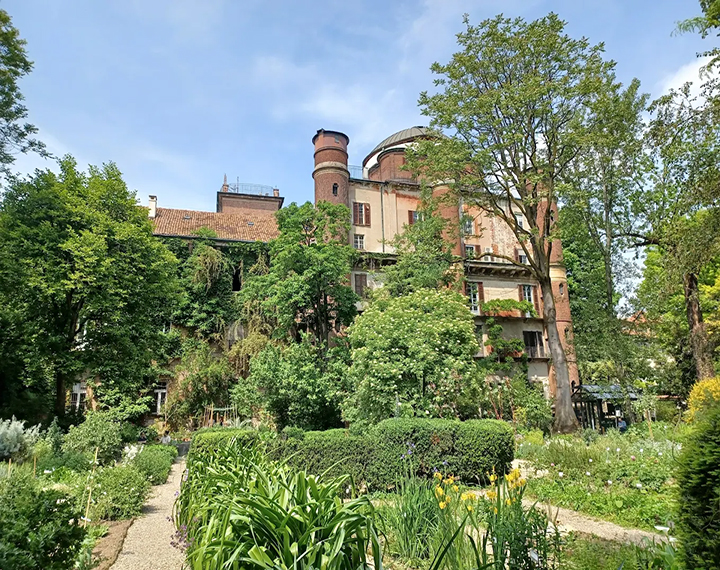
A hidden green sanctuary where historic botanical treasures thrive in Milan’s artistic heart. The Orto Botanico di Brera is a triumphant historic botanical garden, established in 1774 and managed by the University of Milan, nestled behind the Palazzo di Brera as a 5,000-square-meter open-air museum of plants. This sophisticated green oasis offers a soul-stirring escape from the bustling Brera district, showcasing biodiversity, rare species, and serene paths amid the city’s cultural core—providing an inviting, rejuvenating retreat amid the vibrant atmosphere of the 2026 Winter Games in Milano Cortina.
The garden features over 1,000 plant species in rectangular flower beds, elliptical 18th-century ponds, historic greenhouses (specula), medicinal plants, old trees, and educational labels. Free entry as a public botanical site; accessible with paths suitable for most visitors. Centrally located behind the Pinacoteca di Brera, easily reached via Montenapoleone (M3 yellow line) or Lanza (M2 green line) metro stations, or a short walk from the city center.
As a living museum of botany integrated with Milan’s artistic heritage, the Orto Botanico di Brera promotes biodiversity conservation, education, and appreciation through guided tours, workshops, and events like ArteOrto (art-botanical routes linking plants to famous paintings). It reflects the “Made in Italy” legacy of Enlightenment-era science blended with contemporary ecological awareness in a historic urban setting.
The narrative is one of triumphant preservation, founded in 1774 under Maria Theresa of Austria for medicinal and scientific study, expanded in the 19th century, and surviving urban changes to remain one of Europe’s oldest university botanical gardens. It preserves 18th-century layouts, ponds, and structures while honoring Milan’s role as a center of botanical research since the Habsburg era.
For visitors, the Orto Botanico di Brera delivers an exhilarating, peaceful stroll through shaded paths, vibrant flower beds, and historic elements that inspire wonder and calm. It offers a design-forward, high-end experience of urban botany hidden in plain sight—ideal for quiet reflection, photography, or a serene break near the Pinacoteca during a 2026 Milan visit.



 Own or work here?