

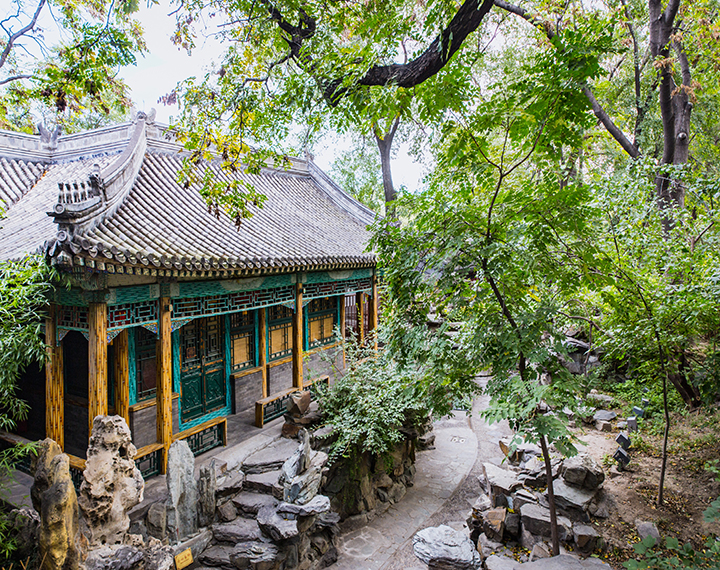
Bat Hall in Beijing offers a quietly captivating glimpse into the city’s layered history and architectural evolution. Tucked away from the bustling streets, this structure carries echoes of traditional Chinese design while hinting at modern adaptations. Its name, inspired by the symbolic bat—a creature associated with good fortune in Chinese culture—reflects the longstanding interplay between folklore and urban architecture. The building’s façade and interior spaces reveal a thoughtful attention to detail, with carved motifs, ornamental beams, and harmonious symmetry that evoke a sense of balance and serenity, making it a subtle yet enriching stop for visitors exploring Beijing’s lesser-known cultural treasures.
Historically, Bat Hall has served multiple roles, from a private residence to a cultural gathering space, reflecting the fluidity of urban life in Beijing over centuries. Each room tells its own story through preserved architectural elements and decorative features that speak to both status and local aesthetic traditions. For tourists, the hall provides a quiet contrast to the city’s more famous sites, allowing for a contemplative exploration of Chinese symbolism, heritage, and the intimate scale of pre-modern urban dwellings. Wandering through its corridors, one can sense the continuity of Beijing’s cultural identity, where history, superstition, and artistry converge in a space that is as much a relic as it is a living piece of the city’s urban fabric.
For those drawn to cultural tourism, Bat Hall offers not only visual delight but also an immersive lesson in the subtleties of Chinese architecture and symbolic expression. Its modest size encourages a close, personal experience, inviting visitors to pause and appreciate the craftsmanship, historical resonance, and quiet elegance that define much of Beijing’s hidden architectural gems. It is a place where one can feel the heartbeat of the city’s past amid the rhythm of modern life, offering a memorable and contemplative stop on any journey through the capital.



 Own or work here?