

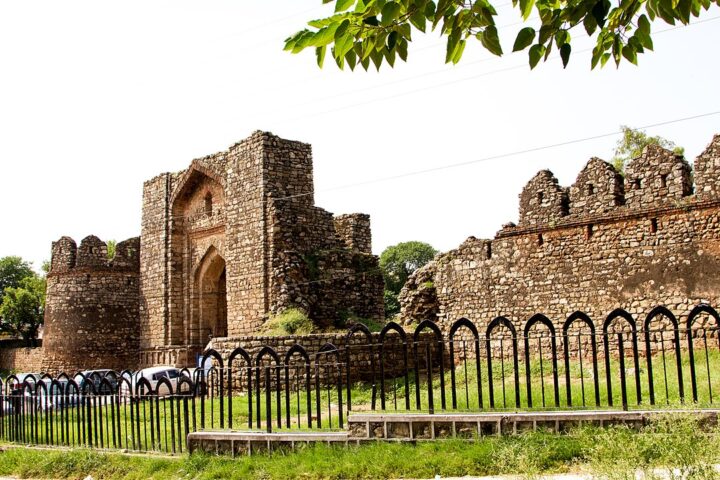
Rawat Fort is an early 16th century fort in the Pothohar plateau of Pakistan, near the city of Rawalpindi in the province of Punjab. The fort was built to defend the Pothohar plateau from the forces of the Pashtun king Sher Shah Suri. Rawat Fort, perched on a rocky hilltop along the historic Grand Trunk Road in Punjab, Pakistan, stands as a silent sentinel of the region’s turbulent past. Built in the early 16th century by the Gakhars, a fierce warrior tribe loyal to the Mughal Empire, the fort was originally constructed as a caravanserai and defensive outpost to safeguard travelers and control the strategic route between Kabul and Delhi. Its weathered walls, made of rough stone and fortified with bastions, still bear the scars of battles and sieges, whispering tales of valor and betrayal that echo through the centuries under the vast, open sky.
The architecture of Rawat Fort is a striking blend of functionality and understated elegance, characterized by its compact yet imposing design. The structure features a quadrangular layout with high defensive walls, flanked by circular bastions that once housed archers and cannons. At its heart lies a solemn mausoleum believed to belong to Sultan Sarang Khan, a Gakhar chieftain, adorned with intricate carvings and a domed roof that speaks of Mughal influences. Scattered around are the remnants of cells, mosques, and water wells, painting a vivid picture of life within these rugged confines, where soldiers and travelers sought refuge amid the harsh landscape of the Potohar Plateau.
Today, Rawat Fort exudes a haunting beauty, enveloped in an aura of mystery and melancholy as nature slowly reclaims its stones with creeping vines and wild grasses. The panoramic views from its ramparts stretch across endless plains dotted with ancient banyan trees, offering a serene contrast to its violent history. Though largely overlooked by mainstream tourism, the fort remains a poignant reminder of Pakistan’s rich heritage, inviting the curious soul to pause, reflect, and feel the weight of time in this forgotten jewel of the past.



 Own or work here?