

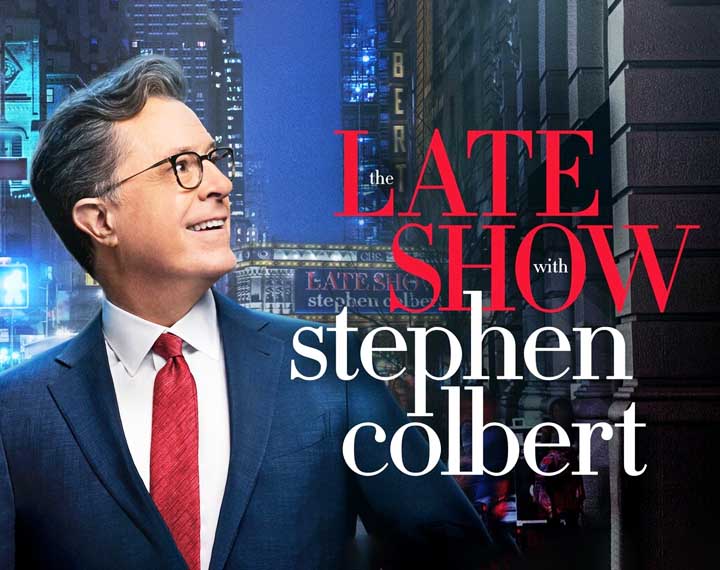
For more than 30 years, The Late Show has been a cornerstone of American culture, a nightly invitation to laugh, think, and feel connected in a world that can often feel chaotic. Born in 1993 with the brilliant David Letterman at the helm, the show was a delightful and refreshing jolt to the late-night landscape. It wasn’t just a talk show; it was a joyous, unpredictable experiment in comedy that celebrated the absurdities of life and television itself. With its iconic Top Ten List, daring stunts, and famously unpredictable interviews, the show taught a generation that it was not only okay to be different—it was an art form.
When Stephen Colbert took over the reins in 2015, he honored that spirit while boldly transforming the show for a new era. With his signature wit and big heart, he has cultivated a space where comedy and sincerity exist side-by-side. Colbert’s Late Show is a place where you can find political satire sharp enough to make you think, followed by interviews so deeply human they can bring a tear to your eye. The show has become a vital forum for exploring the issues of the day, all while maintaining a warm and welcoming atmosphere that feels like a nightly gathering of friends.
Ultimately, The Late Show is an inspiring and enduring institution because it has always been more than just a place for celebrity interviews and jokes. It’s a nightly ritual that reminds us of the power of laughter to unite people, the importance of empathy, and the courage to find joy even in the most challenging times. It stands as a testament to the idea that a late-night talk show can be a force for good, a delightful beacon of light that continues to shine for millions around the world.



 Own or work here?