


HRH The Prince of Wales Champions the Fight Against Suicide With the Opening of a Landmark New Centre of Hope
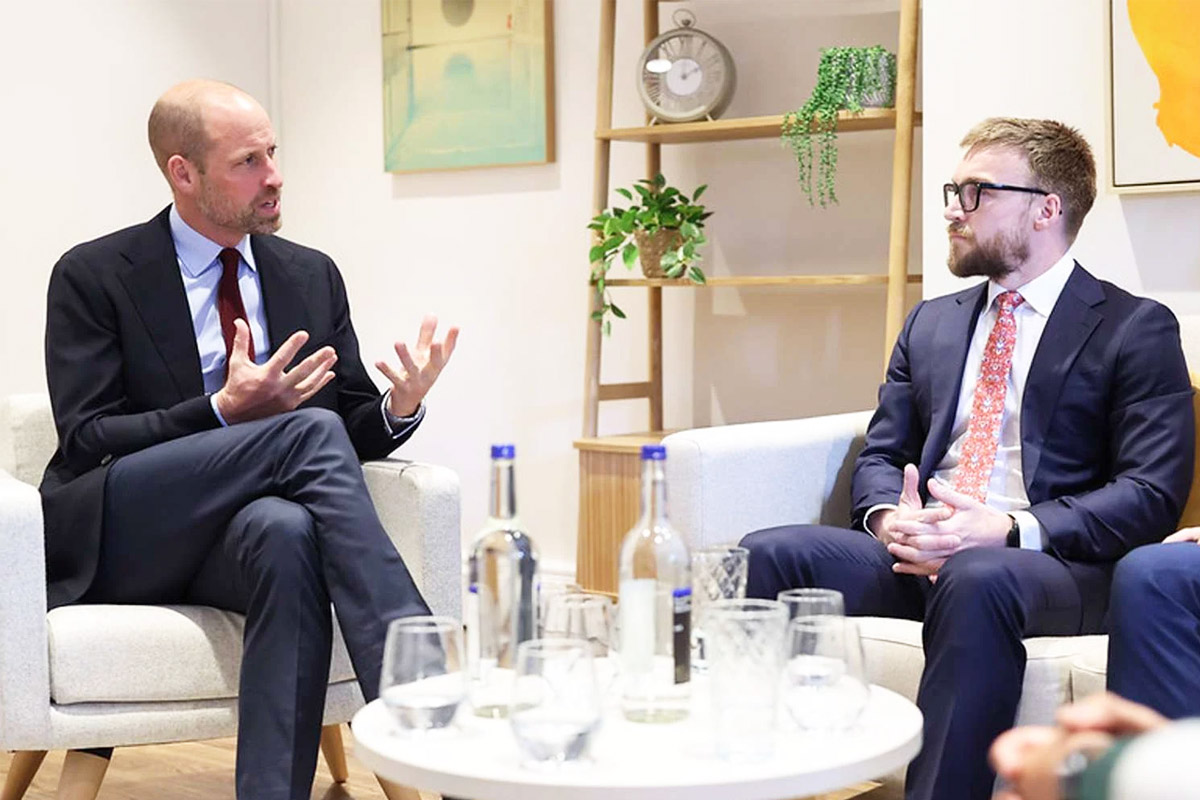
His Royal Highness The Prince of Wales Opens James’ Place Birmingham — A Testament to His Lifelong Crusade for Mental Health. The Prince of Wales arrived in Birmingham at the start of Mental Health Awareness Week not to perform a ceremony, but to bear witness — to sit with men who had stood at the very edge of despair, to listen without reservation, and to respond with the kind of genuine, unhurried humanity that no protocol can manufacture. The opening of James’ Place Birmingham in Edgbaston was, by every measure, one of those rare moments in public life that transcends the formal and touches something profoundly real. Here was a future King who did not simply cut a ribbon and move on, but who stayed, engaged deeply, and cared — not as a figure fulfilling an obligation, but as a man of profound personal conviction who understands that the simple act of conversation can mean the difference between life and death. Speaking at the centre, His Royal Highness was characteristically direct: “The team here are fantastic. I hope we can get more of you around the UK, because it is in need of it, sadly. We need to talk more about suicide, talk more about preventing it and talk about getting help to young men and women earlier, so we don’t have to have these centres in the very long run. That is the aim.”
James’ Place is a charity of extraordinary heart, born from the most devastating of losses. It was founded in 2008 by Clare Milford Haven and Nick Wentworth-Stanley in tender memory of their beloved son James Wentworth-Stanley, who died by suicide at just twenty-one years of age, a mere ten days after a minor surgical procedure. He had been struggling with severe anxiety and suicidal thoughts, yet could not access the urgent support he so desperately needed. From that unimaginable grief, his parents built something quietly extraordinary — and in naming it James’ Place, they made a choice that speaks volumes. Not a foundation, not an institute, not a clinical service bearing a corporate title, but simply James’ Place — a place named after a person, carrying his warmth, his youth and his humanity into every room, every conversation and every life it touches. It is a name that says to every man who walks through its doors: this place was built for you, just as it was built for him, and you are welcome here. The Birmingham centre, the fourth in the national network alongside those in Liverpool, London and Newcastle, is led by Head of Centre Ciaran Brady and a dedicated clinical team, and will support up to five hundred men in crisis each year, entirely free of charge, with no waiting list and no barriers to entry. The centre, situated on the Calthorpe Estate near Five Ways, was made possible through the generosity of remarkable funders including The Eveson Trust, the Goodman Family Foundation, the Cameron Grant Memorial Trust, the Julia Rausing Trust and numerous other deeply committed donors, alongside pro bono partners including PricewaterhouseCoopers, Slaughter and May, Savills, Newmark and Anomaly Architects.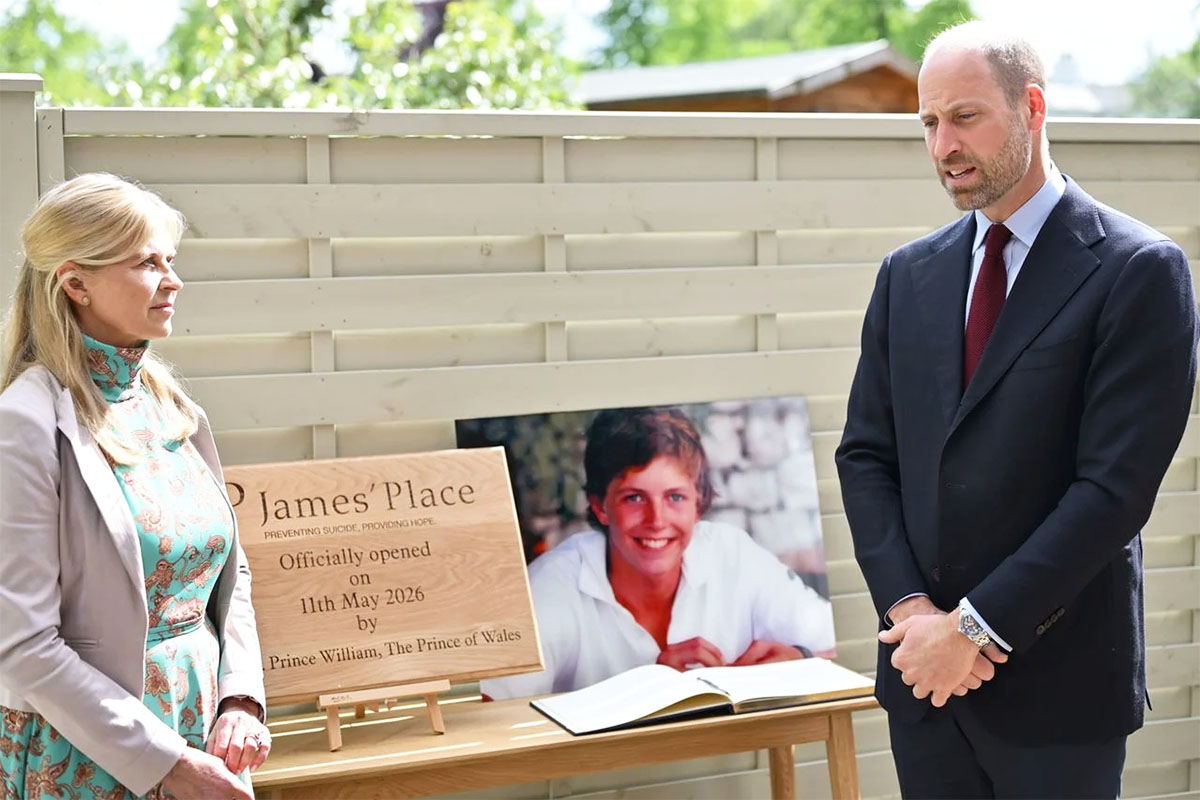
The statistics that frame this work are both sobering and galvanising. In the West Midlands alone, more than five hundred deaths by suicide were recorded in a single year, three quarters of them men. Across the United Kingdom, suicide remains the single greatest cause of death among men under the age of thirty-five — a silent, devastating emergency that has for too long been answered with silence. It is into that silence that His Royal Highness has stepped, year after year, with unflinching purpose. Ellen O’Donoghue, Chief Executive of James’ Place, captured the profound significance of the Birmingham opening with characteristic clarity: “In Birmingham, there were over five hundred deaths by suicide last year, of which three quarters were men. It has been a real priority for us to open a centre as soon as we possibly could. It is really important for people simply to know that it is here — free to use, and with no waiting list.” She added, with evident gratitude: “The Prince has opened all four of our centres, which is testament to how deeply he cares about suicide prevention. We know that the work we do saves lives, and we are here to help men in the West Midlands out of their crisis and find hope for the future.”
During his visit, His Royal Highness met with staff, local partners, representatives from fellow National Suicide Prevention Network partners — including Papyrus, MindOUT and the National Suicide Prevention Alliance — and, most movingly, with men whose lives had been transformed by the charity. Marcus Davies, a former service user and now a trustee of James’ Place, travelled from the Wirral in Merseyside for the occasion and spoke warmly of the encounter: “He was surprisingly normal, actually. When we sat down and got into the conversation, he was very relaxed, very open and genuinely interested in what we had to say.” Ben Brand, another former service user who made the journey from Bedford especially for the opening, reflected on the warmth that filled the room: “We were very nervous to begin with, but once he sat down, it relaxed very quickly. It was like talking to anybody, really. You would not think you were speaking to the Prince, the future King.” These were not words of deference. They were words of recognition — of a man who shows up, and means it.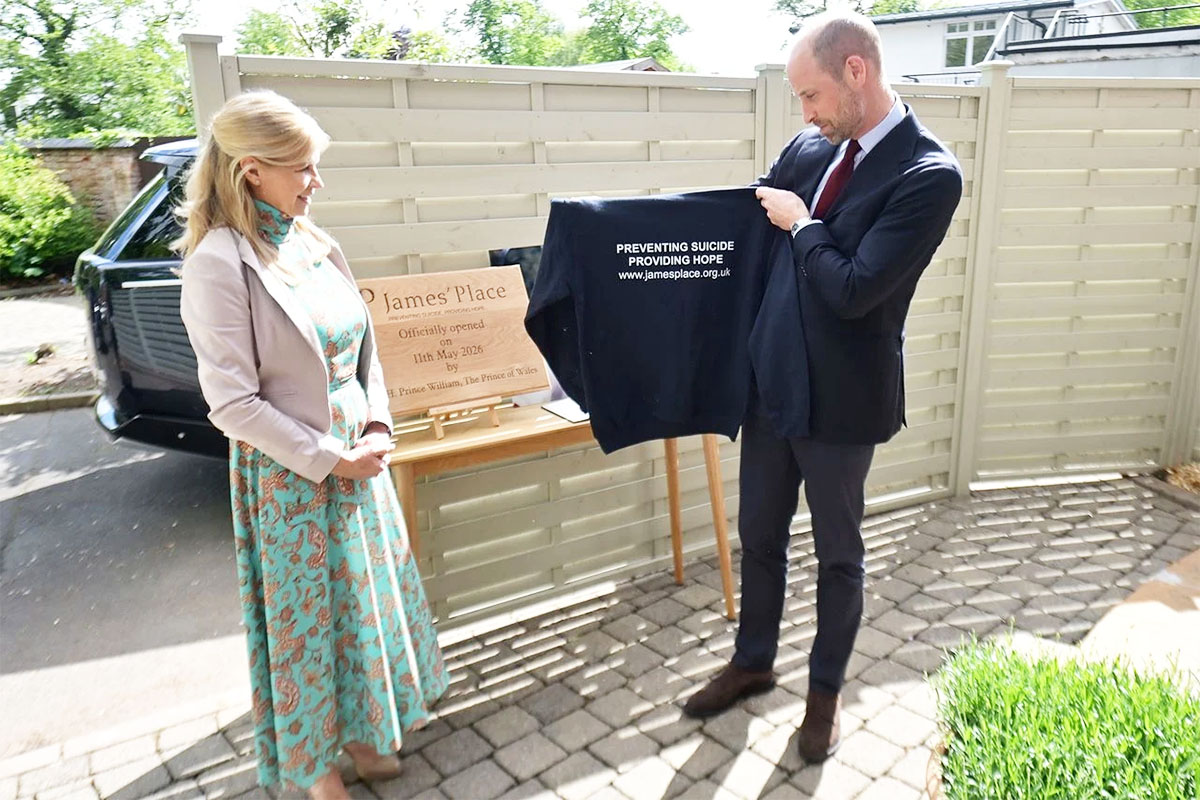
The Prince’s commitment to mental health is not a recent chapter but a long and determined story, told through years of sustained, structural action. Through The Royal Foundation, he and the Princess of Wales launched the Heads Together campaign in 2016, uniting eight mental health charities and igniting a national conversation that reached millions. The Heads Up partnership with the Football Association carried that conversation into stadiums and living rooms, reaching an estimated eight million supporters. Most recently, The Royal Foundation established the National Suicide Prevention Network, of which James’ Place is a proud founding partner, with Royal Foundation funding enabling the charity to pilot new satellite services across the North East and North West of England, bringing free therapeutic care into communities that need it most. The charity’s ambition does not end in Birmingham. With plans to open two further centres in England by the close of 2026 as part of a ten million pound fundraising appeal, the vision is one where half the male population of England lives within two hours of a James’ Place centre. His Royal Highness, who has opened every single one of those centres, stands not merely as their patron, but as the very emblem of the belief that drove their creation — that no man should ever face his darkest moment alone, and that hope, however distant it may seem, is always within reach.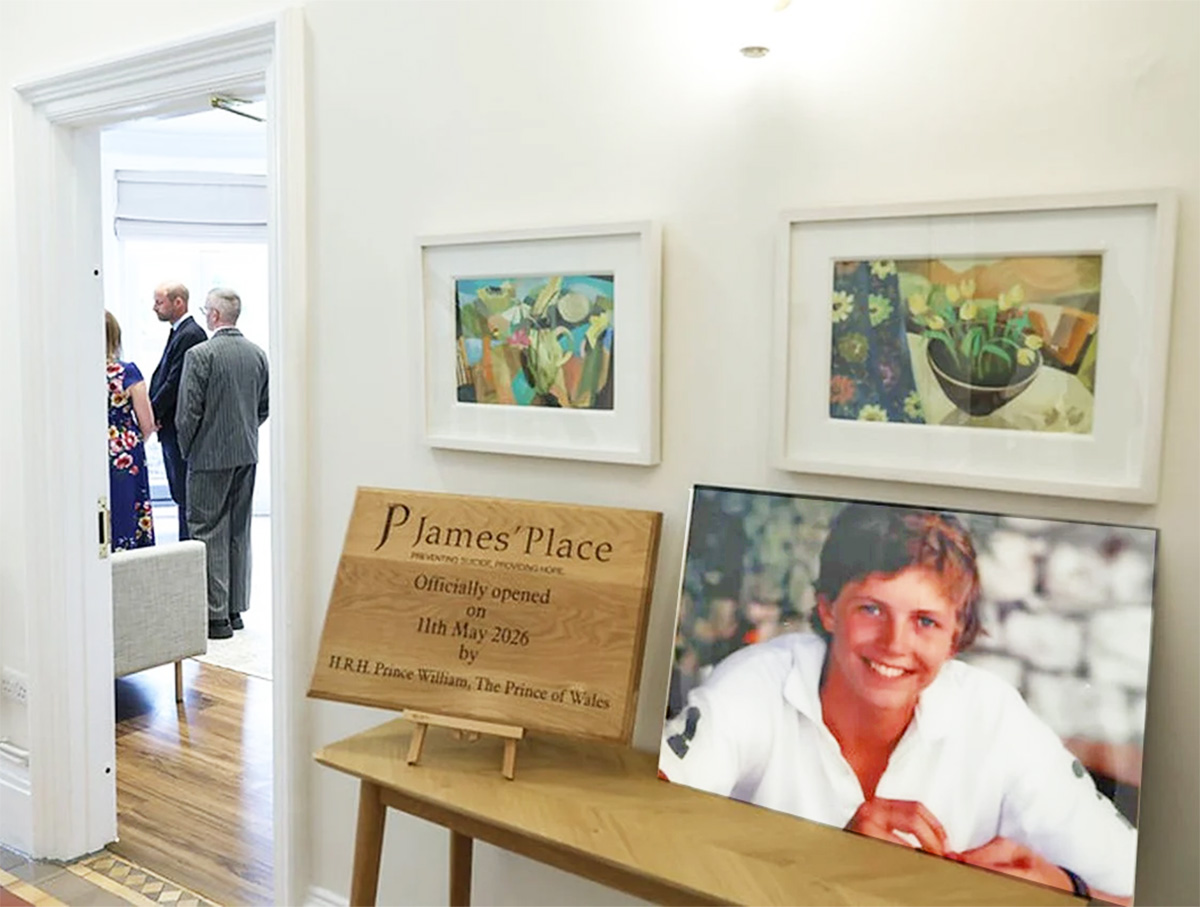
In a world that so often celebrates power for its own sake, His Royal Highness The Prince of Wales reminds us that the greatest thing a leader can offer is not authority, but presence — the willingness to sit beside those who are suffering, to look them in the eye, and to say, without hesitation: you matter, your life matters, and you are not alone. Through every centre he has opened, every hand he has held, and every conversation he has leaned into with genuine curiosity and care, the Prince of Wales has done something that no legislation alone can achieve — he has made men who felt invisible feel seen, and walked into rooms filled with quiet desperation, leaving them filled with something far more powerful: hope. His tireless, deeply personal crusade to transform the way the world understands and responds to mental health and suicide is not the work of a royal diary or a charitable obligation — it is the work of a man who believes, with every fibre of his being, that lives can be saved when we find the courage to speak, to listen, and to act. At James’ Place Birmingham, and across every centre that bears that name, that belief is now built into the very walls, and the men who walk through those doors — from Birmingham to Bedford, from the Wirral to the West Midlands and far beyond — walk towards the light because a Prince dared to shine it.
