

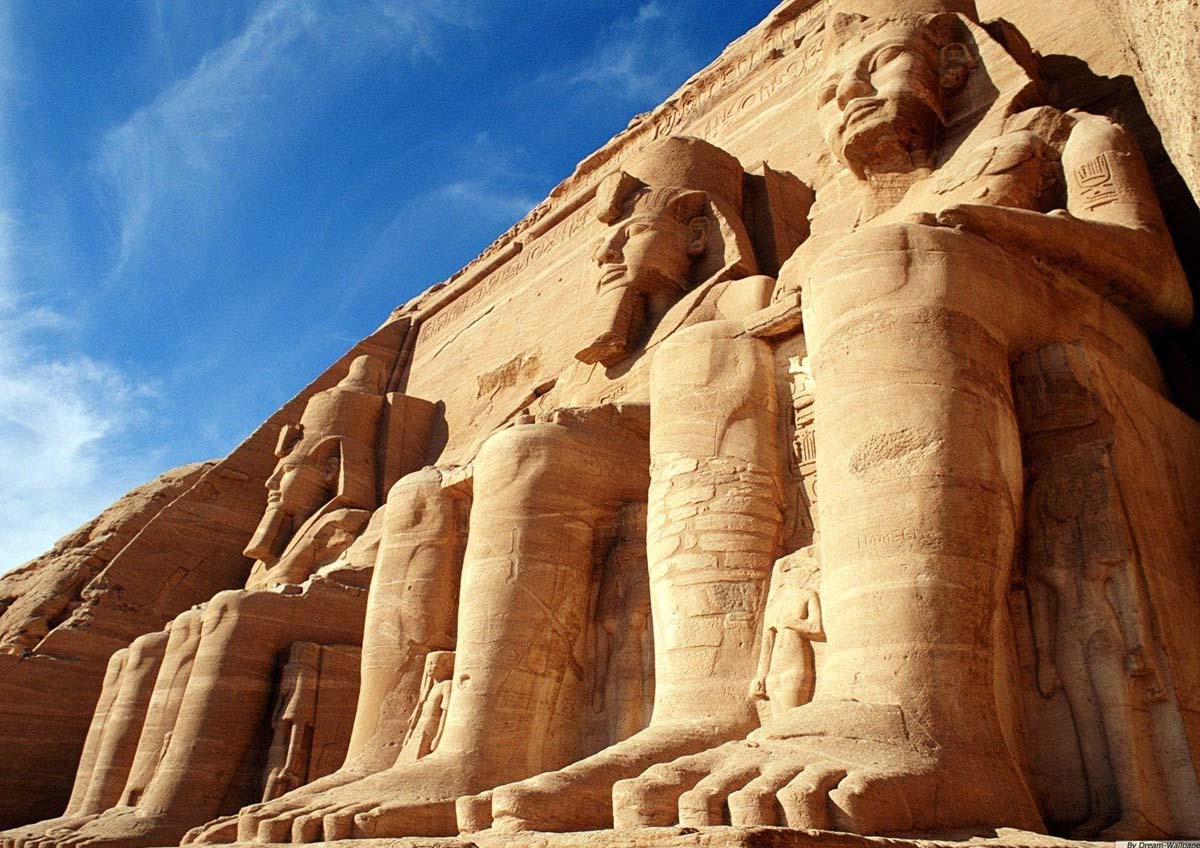
Timeless sands cradle civilisations that shaped all of human history. Few nations on earth carry the weight of time quite like Egypt. For more than five thousand years, this extraordinary land has stood at the crossroads of civilisation — a place where gods walked in human form, where kings commanded armies of tens of thousands, and where the human spirit first dared to reach beyond mortality itself. The Nile, that sacred and life-giving artery, made everything possible. Without its annual floods and fertile black earth, the desert would have swallowed all trace of what became the most enduring civilisation the ancient world ever produced. To travel to Egypt is not merely to visit another country — it is to step into the deep memory of humanity itself.
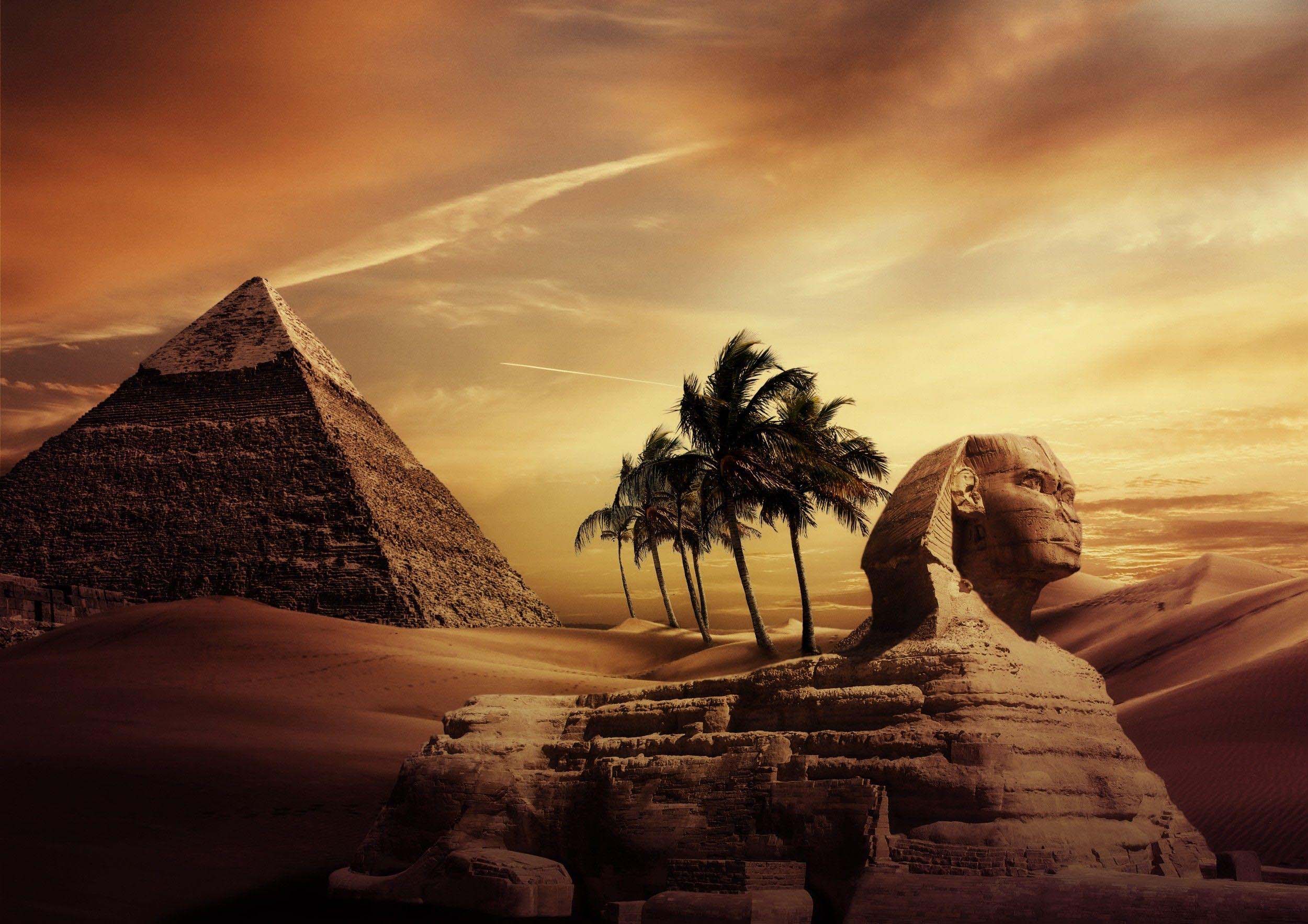
The story of ancient Egypt spans more than three thousand years of continuous civilisation, divided into dynasties whose names still echo through the ages — the Old Kingdom builders of the pyramids, the Middle Kingdom scholars and poets, the New Kingdom warrior-pharaohs who carved their victories into temple walls at Luxor and Karnak. Each era left monuments so vast, so precisely constructed, and so deeply symbolic that modern engineers still marvel at the methods behind their creation. The Great Pyramid of Giza — the sole surviving Wonder of the Ancient World — rises from the plateau at the edge of Cairo with a presence so commanding that no photograph, however carefully composed, can prepare a visitor for the raw reality of standing before it.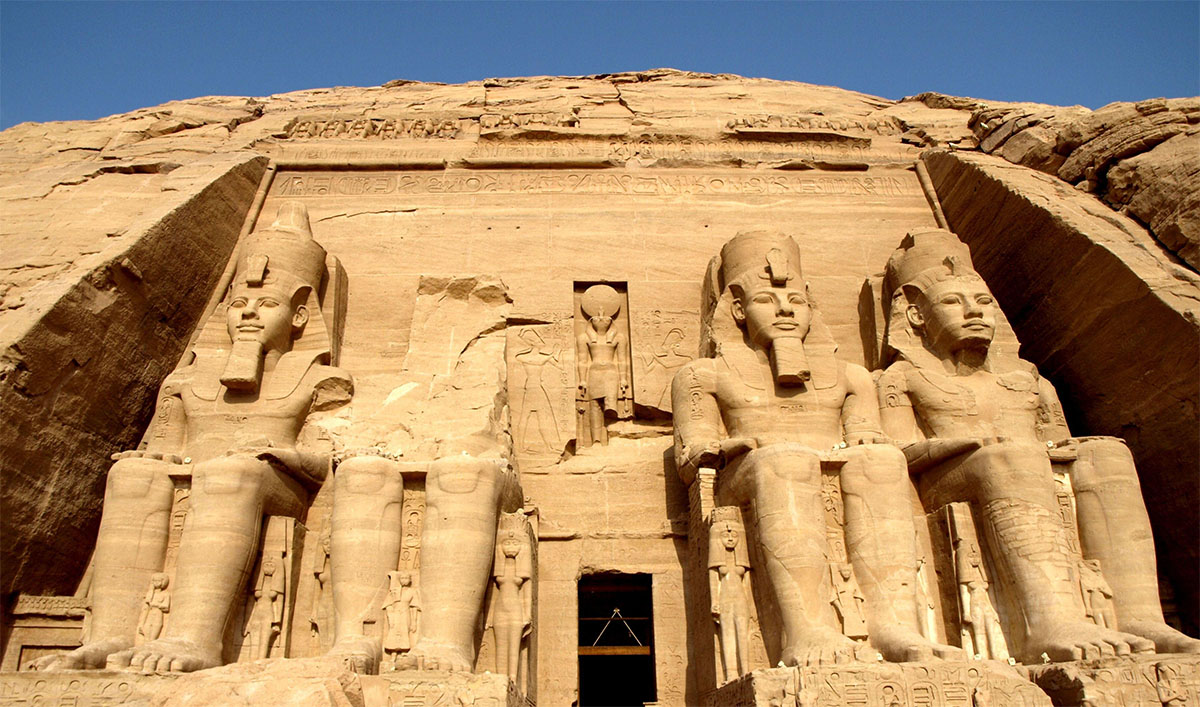
Beyond the pyramids lies a cultural heritage of staggering breadth and beauty. The temples of Upper Egypt — at Luxor, Edfu, Kom Ombo, and the incomparable Abu Simbel — are not ruins in any diminished sense of the word. They are stories carved in stone: hymns to Ra, records of battle, portraits of queens and gods rendered in paint so vivid that traces of colour still cling to pillars raised three millennia ago. The Valley of the Kings, hidden in the tawny limestone hills of the West Bank at Luxor, holds the painted tombs of pharaohs whose vision of the afterlife gave rise to some of the most breathtaking art ever created. Tutankhamun’s treasures, now magnificently displayed at the Grand Egyptian Museum in Giza, represent only one gilded chapter in an incomprehensibly rich story.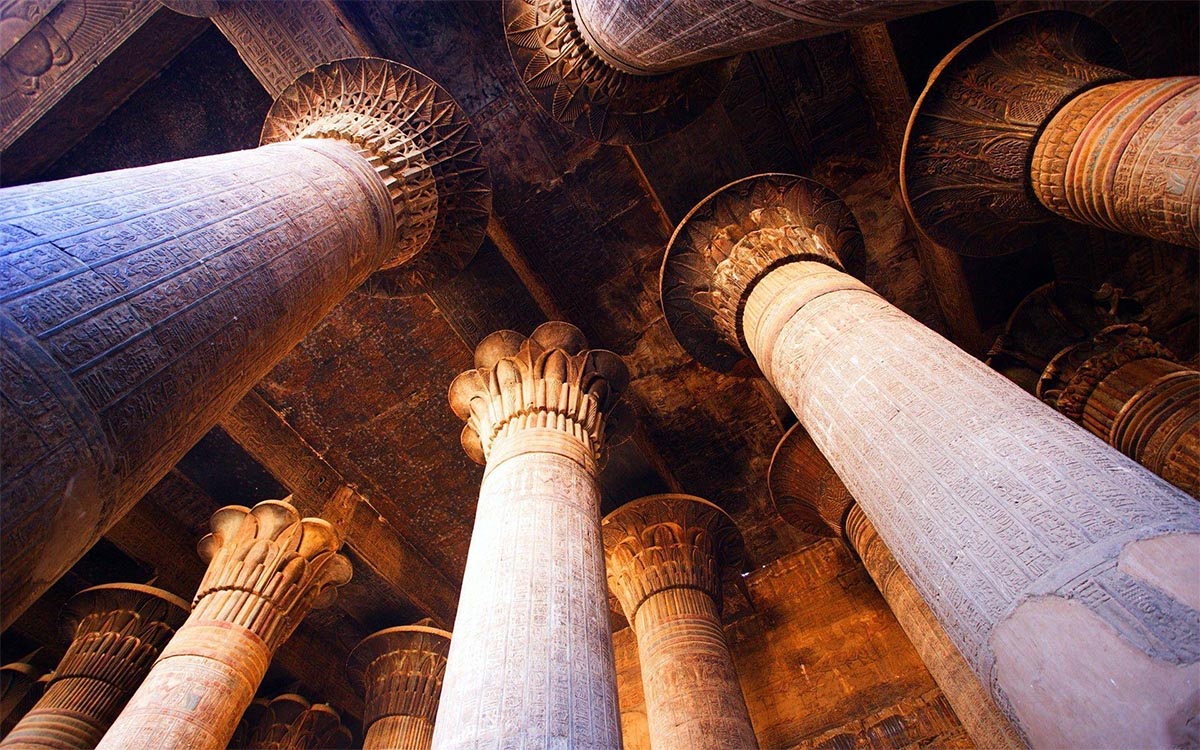
Egypt’s culture did not freeze with the fall of the pharaohs. The country absorbed and enriched every great civilisation that passed through it — Greek, Roman, Coptic Christian, and Islamic — weaving each tradition into a national identity that is as layered and complex as the sands beneath which its secrets still sleep. Cairo’s medieval Islamic quarter, a UNESCO World Heritage Site, is a labyrinth of mosques, madrasas, hammams, and bazaars dating back to the Fatimid era. The ancient Coptic churches of Old Cairo, among the earliest Christian places of worship anywhere in the world, speak to a faith that took root here long before it reached the shores of Europe. Egypt has always been a land of profound spiritual searching.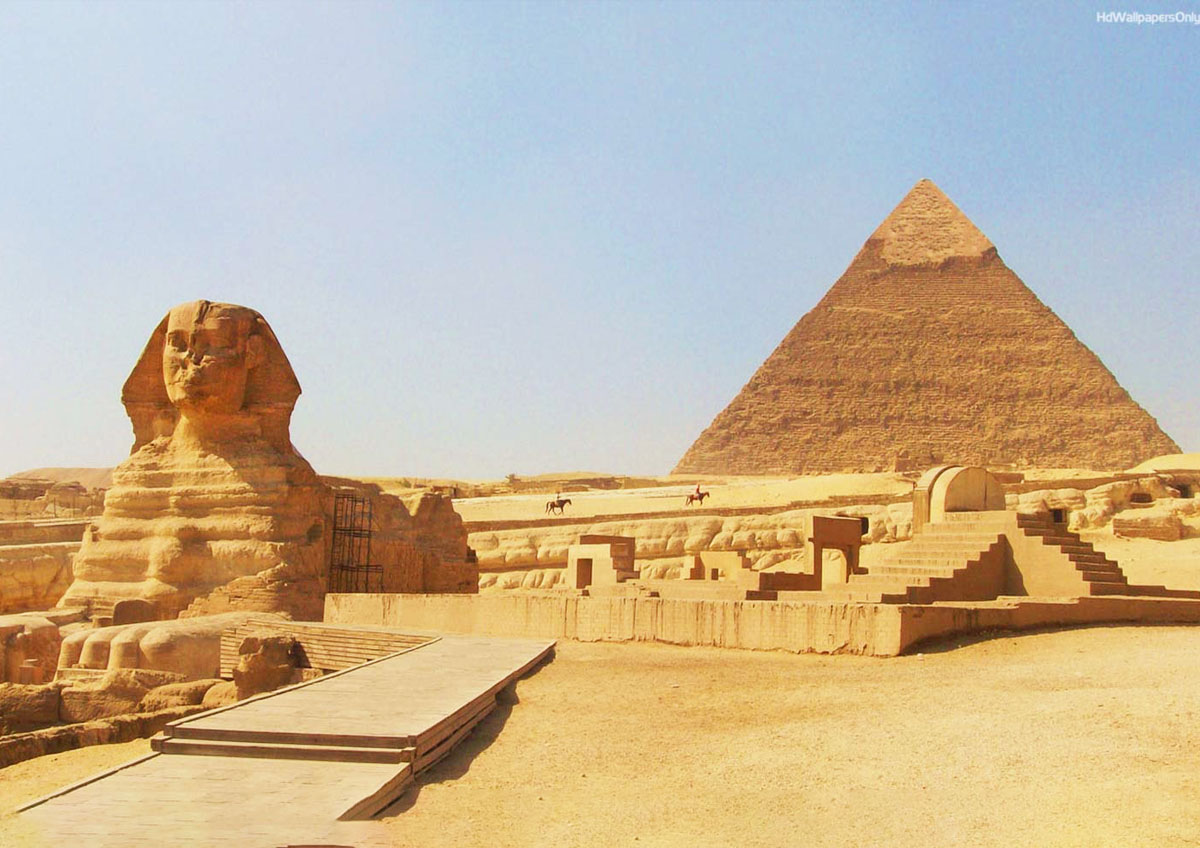
The landscape itself is a source of wonder that rivals anything built by human hands. The White Desert, with its surreal chalk formations sculpted by centuries of wind, seems to belong to another planet altogether. The Red Sea coast — at Sharm el-Sheikh, Hurghada, and the more secluded Marsa Alam — offers some of the finest coral reef diving on earth, with waters of extraordinary clarity sheltering turtles, dolphins, and a symphony of reef fish in colours that seem almost impossibly vivid. In Sinai, where the Abrahamic faiths converge at the summit of one sacred mountain, sunrises arrive in shades of gold and rose that feel, to many who witness them, like something close to revelation. To visit Egypt is to be changed by it. There is a particular quality to the light there — warm, ancient, and generous — that seems to illuminate not only the monuments but something within the traveller as well. The people of Egypt carry their history with quiet pride and an open-hearted hospitality that has welcomed strangers since the days of the caravans. In the souks of Khan el-Khalili, over sweet mint tea and the scent of oud drifting through lantern-lit alleys, the ancient and the living meet without contradiction. Egypt does not ask you to choose between past and present — it offers both, freely and magnificently, to all who come with open eyes.



 Own or work here?