

The Egyptian Geographical Society, also known as the Geographical Association of Egypt, stands as a venerable institution of global renown, founded in 1875 by Khedive Ismail. Established during a golden age of exploration, its primary mission was to encourage the study and discovery of the geography of Egypt and the African continent. Nestled in a majestic building in central Cairo, the society represents a time capsule of 19th-century scientific ambition, serving as one of the oldest geographical organizations in the world. Its halls are steeped in a legacy of intellectual curiosity, having hosted some of the era’s most significant explorers and scholars who sought to map the mysteries of the Nile and beyond.
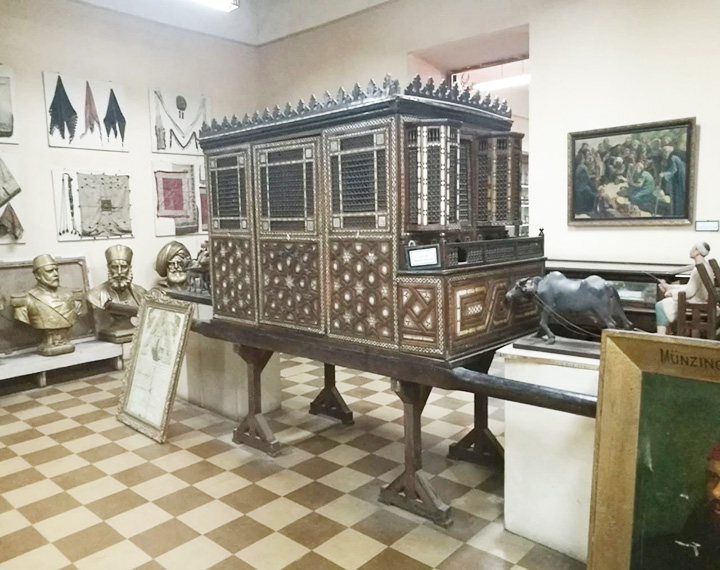
The interior of the society is a cultural treasure trove, housing an exceptional ethnographic museum and one of the most comprehensive geographical libraries in the region. Visitors are often awestruck by its collection of over 80,000 rare books and manuscripts, including a legendary original edition of the Description de l’Égypte, the monumental work chronicling the Napoleonic expedition. The ambiance is one of scholarly tranquility, with polished wooden cabinets and vintage maps that evoke the spirit of early maritime and desert voyages. This inviting sanctuary of knowledge provides an informative window into the traditional Egyptian lifestyle and the diverse cultures of Africa through its meticulously preserved artifacts and folklore displays.
Culturally, the society serves as a bridge between Egypt’s Pharaonic heritage and its modern scientific aspirations. The ethnographic galleries showcase a vibrant array of everyday objects, traditional costumes, and indigenous tools that tell the story of the Egyptian people’s deep connection to their land. The institution also plays a vital role in international cooperation, maintaining strong ties with global geographical unions and hosting seminars that promote environmental awareness and regional development. Its historic auditorium, characterized by its elegant craftsmanship, continues to be a site for inspiring lectures that challenge and motivate the next generation of geographers and historians.
Touristically, the Egyptian Geographical Society is a hidden gem for those who appreciate the intersection of history and science. Its location near the Parliament and the House of Representatives adds a layer of prestige to the visit, though travelers should be prepared for security protocols reflecting its significant neighbors. Walking through the society is like embarking on a visual journey across time, where antique globes and relief maps offer an uplifting perspective on how humanity has perceived the world throughout the centuries. It is an essential stop for any traveler seeking a sophisticated and deep-rooted understanding of Egypt’s central role in the history of global exploration.
The society’s enduring relevance is highlighted by its recent collaborations with local universities and international research centers, ensuring that its wealth of data remains a resource for modern scientific inquiry. Under the patronage of the state, it continues to organize field trips and exhibitions that celebrate the geographical beauty of the nation, from the shifting sands of the Western Desert to the verdant banks of the Nile. For the curious traveler, a visit to this historic society offers not just facts and figures, but a profound sense of wonder at the vastness and diversity of our planet.



 Own or work here?