

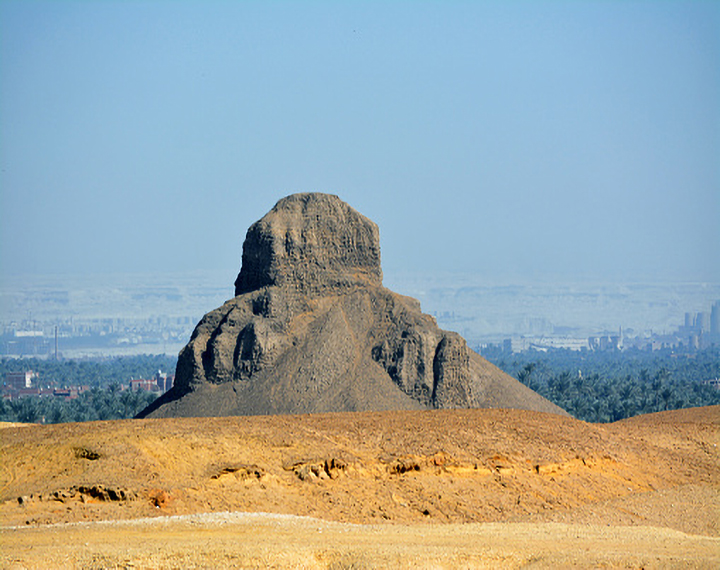
A dark, weathered mountain of mud-brick rising from the Dahshur sands like a forgotten shadow. One of the most complex structures of its time, the interior of the pyramid features a sprawling labyrinth of interconnected corridors and burial chambers designed to accommodate both the king and his queens. This intricate layout was a defensive measure against grave robbers, yet the pyramid’s soft foundation near the Nile valley led to significant structural issues and flooding early in its history. Exploring the site today offers an uplifting perspective on the risks and innovations of Middle Kingdom architects who pushed the boundaries of engineering in a challenging landscape.
The pyramid is famously known for its beautiful grey granite pyramidion, or capstone, which was found nearby and is now a prized exhibit in the Egyptian Museum in Cairo. This capstone, covered in delicate inscriptions and religious symbols, provides a glimpse into the high level of craftsmanship that once adorned the apex of this dark monument. Standing in the shadow of the craggy ruins, visitors can imagine the pyramid in its original glory—a gleaming white structure capped with dark stone—representing the duality of the earthly and divine realms.



 Own or work here?