

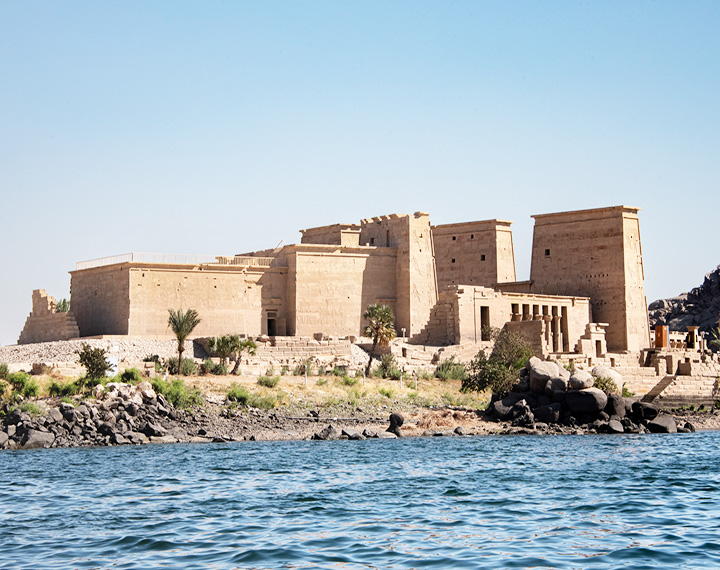
The journey to the Philae Temple begins with a delightful boat ride across the shimmering blue waters of the Nile, leading you to a sanctuary that seems to float on the horizon. This masterpiece of ancient architecture is dedicated to the goddess Isis and is renowned for its stunning relief carvings and soaring pylons. Walking through its colonnades feels like stepping back into a time of myth and devotion, surrounded by the gentle sounds of the river.
This temple complex was famously moved stone by stone to its current location to protect it from the rising waters of the Nile, a feat of international cooperation and engineering. This transition has preserved the delicate beauty of the structures, allowing visitors to wander through courtyards that once hosted sacred rituals. The harmony between the stone architecture and the lush greenery of the island creates a peaceful atmosphere that is unique among Egyptian sites.
Visitors can marvel at the diverse influences found within the temple, including inscriptions from the Pharaonic, Greek, and Roman eras. Each wall tells a story of cultural blending and the enduring power of the goddess Isis, who was worshipped here long after other ancient traditions had faded. The intricate details of the carvings are best seen in the soft light of the morning or late afternoon when the shadows define the ancient script.
The site provides a scenic backdrop for photography, with the dark granite rocks of the Nile cataract contrasting against the golden sandstone of the temples. It is a place of profound tranquility, far removed from the noise of the city, offering a space for reflection and wonder. The experience of reaching the site by water adds a romantic and adventurous element to the pilgrimage that few other monuments can match.
As evening falls, the site often hosts a captivating sound and light show that brings the history of the goddess and the temple to life under the stars. The illuminated pylons reflect in the water, creating a magical scene that stays in the memory long after the boat returns to the mainland. It remains one of the most evocative and beautiful landmarks in all of Egypt for travelers seeking spiritual and historical depth.



 Own or work here?