

Dolmama is more than a restaurant; it is a cultural institution housed in a beautifully restored 19th-century building that has welcomed presidents, royalty, and global stars like Charles Aznavour. The ambiance is warm, storied, and “homey” yet deeply refined, featuring antique furnishings and traditional Armenian art that create an atmosphere of timeless exclusivity. The cuisine is a masterful reimagining of traditional Armenian dishes, with the signature “Dolma” being a world-renowned delicacy that replaces ground meat with hand-chopped pieces of high-quality fillet. While it maintains a rustic charm, its reputation as the “Presidential Kitchen” of Armenia secures its place as one of the most sought-after tables in the nation.
Dolma in Armenia is far more than a simple dish; it is a cherished culinary ritual that embodies the warmth of Armenian hospitality and the depth of its agricultural roots. At its heart, the classic Armenian dolma consists of tender grape leaves lovingly wrapped around a savory filling of minced lamb or beef, rice, and a fragrant blend of fresh herbs such as cilantro, dill, parsley, and mint. What sets the Armenian version apart is the delicate balance of flavors—the slight tang of the grape leaf complements the rich, spiced meat, while the herbs add a bright, garden-fresh note. Each small, cigar-shaped parcel is carefully hand-rolled, a skill passed down through generations, and then slow-cooked in a light broth until the leaves are silky and the filling is perfectly infused.
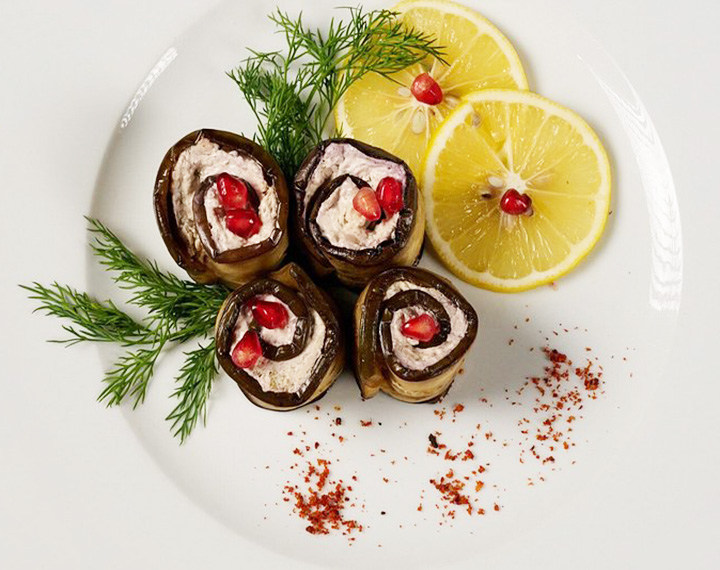
Beyond the iconic grape leaves, Armenian dolma celebrates the summer harvest with a vibrant, tomato-based variation known as “summer dolma.” Here, hollowed-out eggplant, bell peppers, tomatoes, and even small zucchini are stuffed with a similar meat-and-rice mixture, then simmered gently. This version offers a study in textures and tastes: the sweet, melting flesh of the vegetables contrasts with the savory, juicy stuffing. Often, a dollop of tangy, garlic-infused salted yogurt, or *matsun*, is spooned over the dolma just before eating, cutting through the richness and elevating every bite. The entire dish is traditionally prepared in a deep pot, layered carefully to prevent unrolling, and cooked slowly over low heat, allowing the flavors to meld into a harmonious, deeply satisfying whole.
To share dolma in Armenia is to share a piece of the nation’s soul. It is the undisputed king of festive tables, served during family gatherings, New Year’s celebrations, and especially for Easter, where it carries a special symbolism of renewal and community. The process of making dolma is often a collective, multi-generational effort—grandmothers teaching grandchildren how to roll the leaves just tight enough, while stories and laughter fill the kitchen. Served warm, accompanied by fresh lavash bread and perhaps a crisp salad, dolma represents patience, love, and the simple joy of a meal made by hand. Each fragrant, juice-filled bite is a taste of Armenia itself: earthy, herbaceous, and steeped in a rich, enduring tradition.



 Own or work here?