
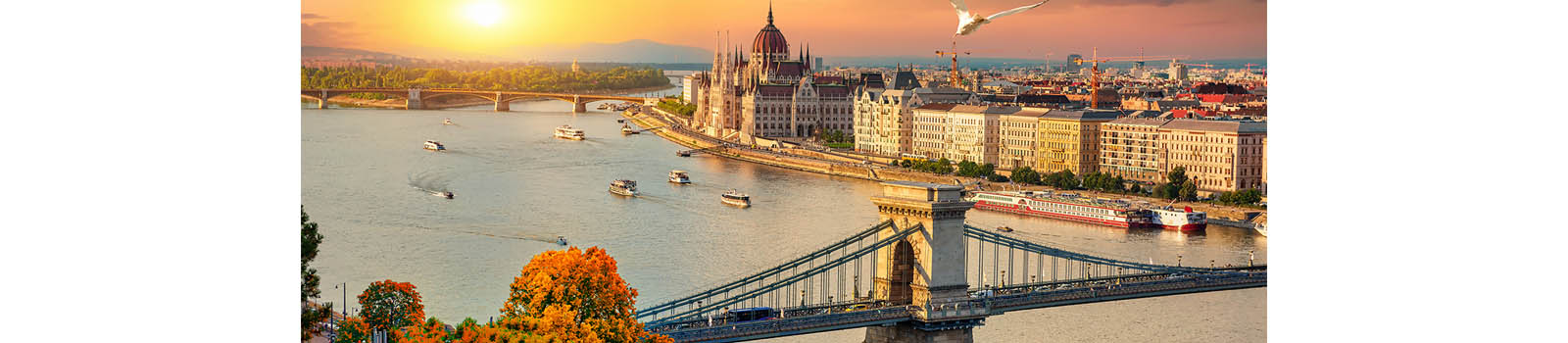
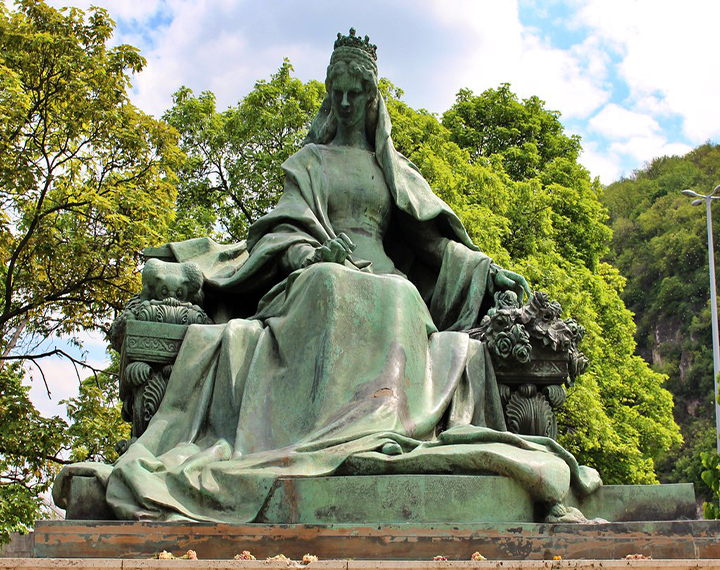
A touching monument located at the foot of the Elizabeth Bridge on the Buda side, set within the tranquil greenery of Döbrentei Square. It radiates an atmosphere of quiet grace and deep affection, depicting the Empress-Queen seated in a reflective, gentle pose that captures her introspective and kind-hearted nature. This inviting site offers an uplifting space for those who wish to pay homage to a figure who remains a steadfast symbol of the Austro-Hungarian Compromise and a bridge between two cultures.
Culturally, the statue acts as a primary focus for the enduring “Sisi cult” in Hungary, where she is revered more as a protective national figure than a distant monarch. It fosters a culture of romantic historical appreciation, with many visitors leaving flowers to honor her memory and her legendary mastery of the Hungarian language. By standing near the majestic white bridge and the lookout tower that also bear her name, the monument encourages a spirited dialogue about her role as the “Savior of the Homeland,” making her life’s story an inspiring and motivating narrative of cultural empathy.
The bronze masterpiece was sculpted by the renowned György Zala and unveiled in 1932, showing the Queen in royal attire but with a humble, downward gaze.
Features a unique historical journey, having been removed by the communist regime in 1953 and hidden in storage for decades before its resilient return to public view in 1986. The pedestal bears an inscription in Hungarian, marking her reign and the deep-seated love the nation continues to hold for its most beautiful queen. Surrounded by a small, peaceful garden, it provides a beautiful and uncrowded spot for photography with the modern Elizabeth Bridge as a striking backdrop.
Historically, the creation of the statue was a resilient effort that spanned decades, beginning shortly after her tragic assassination in Geneva in 1898. It represents the beautiful reconciliation of Hungary with its Habsburg past, as the people fought to ensure that “if she has a grave in Vienna, she must have a statue in Budapest.” The sculpture’s current location at Döbrentei Square is particularly fitting, as it replaces a previous political monument, successfully turning a place of conflict into a site of serene and timeless commemoration for the woman who considered Gödöllő her true home.



 Own or work here?