

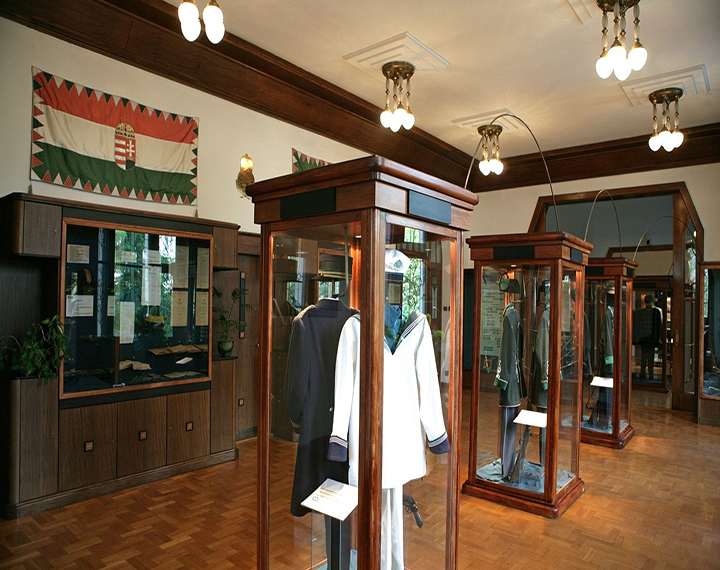
The Museum of Tax and Customs, located in a beautifully preserved historic building in Budapest, offers a fascinating look into the financial evolution of Hungary. As a specialized institution, it chronicles the development of taxation, customs regulations, and border control from the era of the Hungarian Kingdom through the modern day. The exhibits are designed to showcase how the collection of public funds and the protection of trade routes have played a pivotal role in the nation’s socio-economic stability, making it an essential stop for those interested in the logistical backbone of history.
The museum’s collection features a diverse array of artifacts, ranging from antique scales and measuring instruments to authentic uniforms and specialized tools used by customs officers over the centuries. Visitors can explore detailed displays of historical currencies, tax documents, and even confiscated items that tell tales of smuggling and economic intrigue. These objects are contextualized with informative narratives that explain the transition from manual inspections to the sophisticated, technology-driven processes used by the National Tax and Customs Administration today.
Beyond its technical displays, the museum provides insight into the architectural and cultural heritage of the Hungarian financial service. The interior spaces often reflect the professional dignity associated with the civil service, offering a quiet and educational atmosphere for discovery. By highlighting the constant struggle between regulation and evasion, the Museum of Tax and Customs serves as a unique educational hub that demystifies the complex world of finance and law enforcement for the general public.



 Own or work here?