
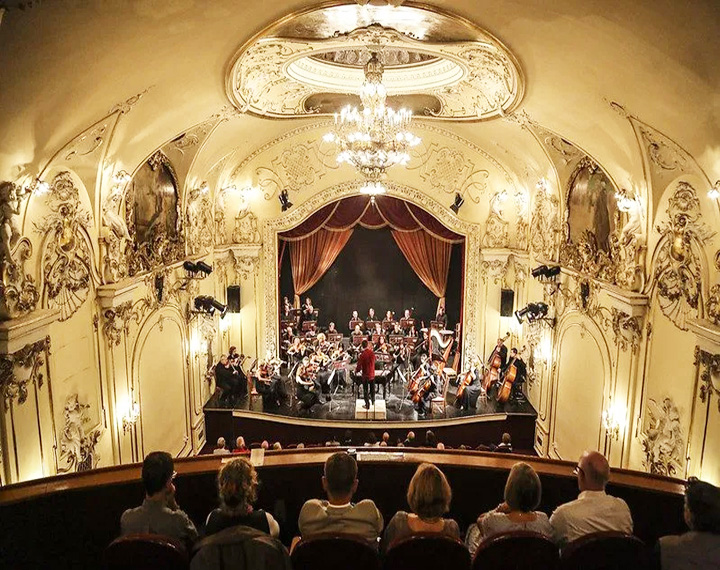
The Danube Palace stands as a prestigious cultural landmark in the heart of the inner city, radiating the architectural splendor of the late nineteenth century. Originally built as a casino for the social elite, it has evolved into a premier venue for classical music, folklore performances, and high-society events. The atmosphere is one of timeless luxury, where the grand white marble staircase and gold-leafed ornaments create an inspiring backdrop for every guest who enters its historic halls.
Culturally, the palace serves as a vital bridge to Hungary’s artistic heritage, hosting the world-renowned Danube Symphony Orchestra and professional folk ensembles. It is a place where the sophisticated “Pest” lifestyle of the 1890s is kept alive through gala concerts and traditional dance shows that celebrate the nation’s rhythmic soul. The building represents the zenith of the Austro-Hungarian era’s social ambition, providing a dignified stage for the preservation and promotion of European classical traditions.
Historically, the palace was designed by Vilmos Freund and completed in 1895 as part of the massive urban development preceding the Millennial Exhibition. For decades, it functioned as a private club for the wealthy before being transformed into a public cultural center following the world wars. Its resilient walls have witnessed the shifting political tides of Central Europe, yet the building has remarkably preserved its original Neo-Baroque interiors, making it one of the few places in the city where one can experience the authentic opulence of the fin de siècle.
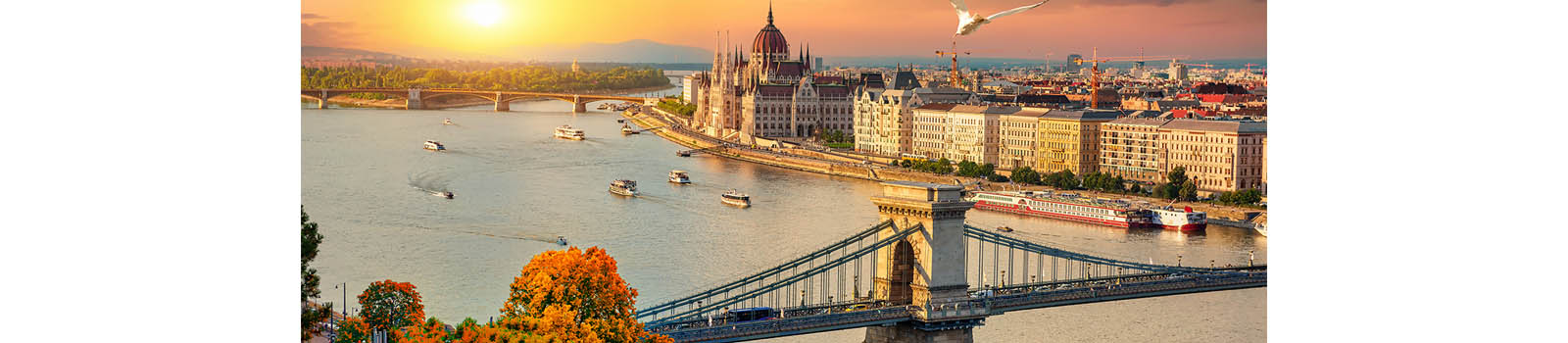
Tourists are drawn to the palace for its intimate concert experiences, which offer a more personal alternative to the larger state institutions. The central location near the Basilica and the Danube riverfront makes it an easily accessible highlight of any cultural itinerary. Visitors are often enchanted by the exquisite detail of the theater hall, which boasts exceptional acoustics and a sense of regal history. It remains a beautiful and uplifting destination for those seeking to immerse themselves in the elegance and artistic brilliance of Budapest’s golden age.



 Own or work here?